


My cart


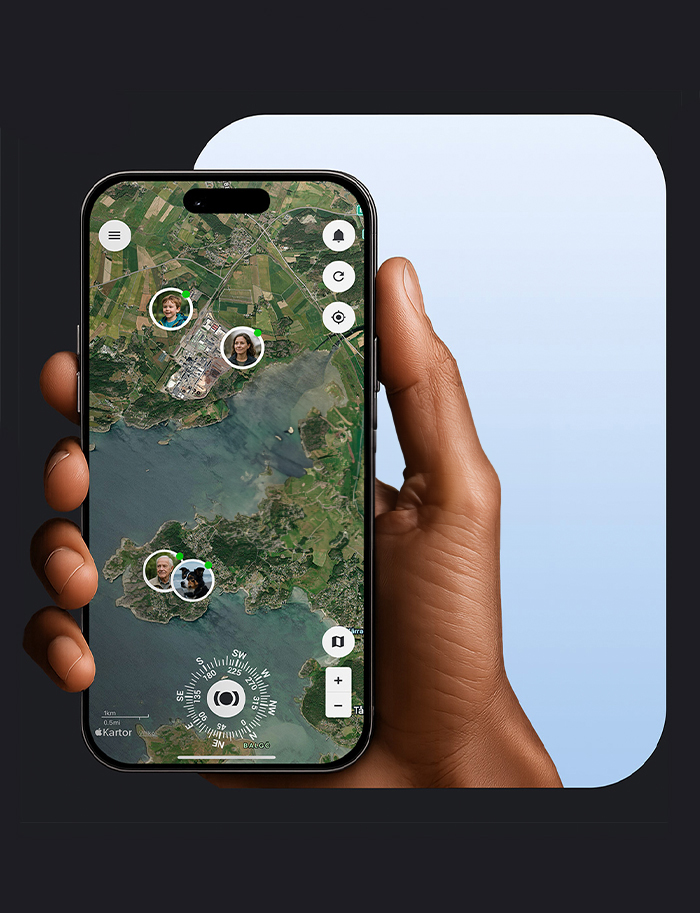
MiniFinder’s proprietary systems use smart technology and real-time features to enhance safety, security, and control in everyday life.
Our Categories
Selected Products
MiniFinder’s proprietary systems use smart technology and real-time features to enhance safety, security, and control in everyday life.
Our Categories
Selected Products

Society is undergoing a demographic shift where the proportion of elderly people is increasing rapidly, while resources in healthcare and elderly care are becoming increasingly limited.
One of the biggest challenges associated with this is involuntary loneliness among seniors, a problem that negatively affects both physical and mental health.
According to forecasts, home care visits per senior will decrease by 30% over the next ten years. This is due to both financial constraints and a lack of personnel. At the same time, family structures are changing; relatives often live far apart, and social support from loved ones is decreasing. The result is that many seniors have fewer opportunities for social interaction and security in their daily lives.
Involuntary loneliness is more than just a feeling – it is a serious health problem. Studies show that loneliness can lead to deteriorating mental health, poor sleep quality, and unhealthy lifestyle habits. Lonely elderly individuals tend to be less physically active, increasing the risk of falls and other health problems. Finding solutions to reduce loneliness is therefore crucial for both individual well-being and societal resources.
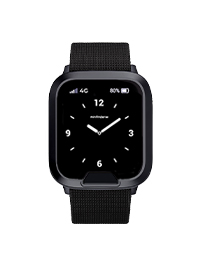
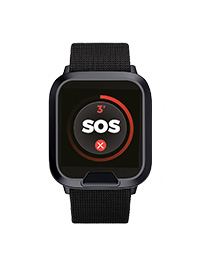
As traditional forms of care face challenges, we need to rethink how technology can be used to provide seniors with a better quality of life. One such solution is a safety watch, a GPS alarm that contributes to both security and increased social interaction.
Involuntary loneliness among seniors is a growing societal problem with serious consequences for both individuals and healthcare. With fewer home care visits and changing family structures, we need innovative solutions to ensure that seniors receive the care and security they need. MiniFinder Watch is part of the answer – a GPS watch that not only increases safety but also improves opportunities for social contact. With continued technological development, we can create a future care system that provides seniors with both security and a richer social life.