

My cart


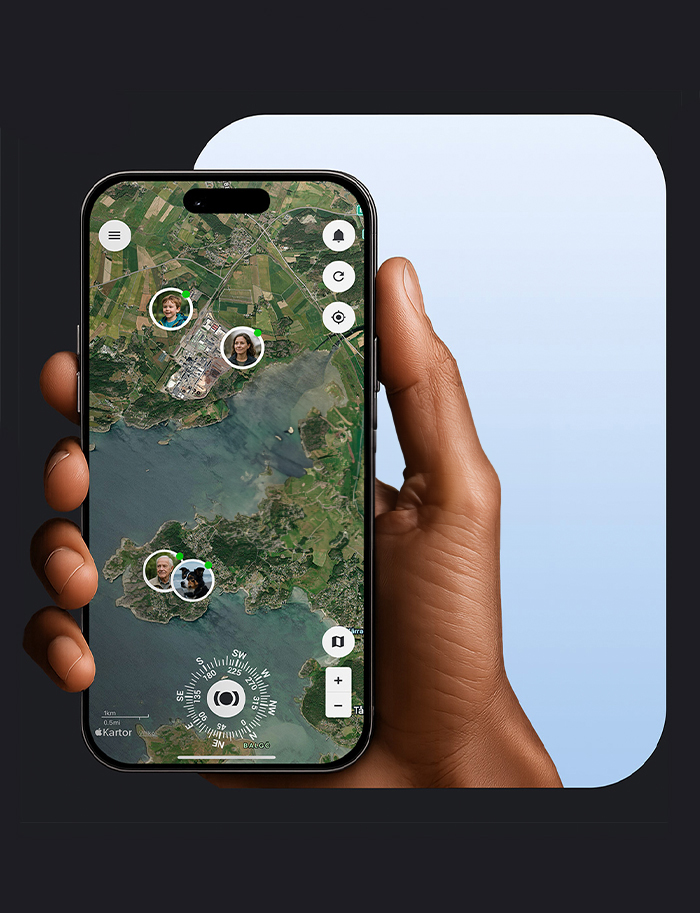
MiniFinder’s proprietary systems use smart technology and real-time features to enhance safety, security, and control in everyday life.
Our Categories
Selected Products
MiniFinder’s proprietary systems use smart technology and real-time features to enhance safety, security, and control in everyday life.
Our Categories
Selected Products
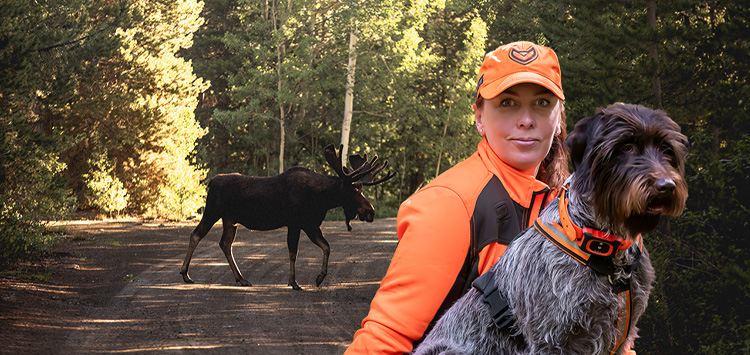
Every year, the number of wildlife accidents increases between September and December compared to the rest of the year. But how should you act in the event of a wildlife accident?
Together with dog handler and wildlife hunter Helena Lyckoskog, we have compiled the most important points to keep in mind in the event of a wildlife accident.
A wildlife hunter is a person with specialized training and experience to track and euthanize injured wild animals, typically after traffic accidents. These hunters have particular knowledge about animal behavior and how to handle injured wildlife safely and humanely. Wildlife hunters work closely with the police and other authorities, playing a vital role in reducing the animal’s suffering and improving road safety by removing injured or dead animals from roads.
Wildlife hunters are called to an accident scene when a wild animal has been injured, usually after a collision with a vehicle. The hunter’s first task is to locate the injured animal, often done with the help of a trained dog specialized in tracking. Once the animal is found, the hunter assesses its condition. If the animal is severely injured, it is quickly and painlessly euthanized to reduce suffering. Additionally, wildlife hunters ensure the accident scene is safe for other road users and those conducting the search.
If you’ve collided with an animal, move your vehicle to the side if possible and turn on your hazard lights. Place a warning triangle at a safe distance from the accident scene, and mark the location where the animal was or where it disappeared. If the accident involves larger wild animals, such as wild boar or bears, it can be useful to place the marker about 100 meters from the scene.
This depends from country to country, but if you are in Sweden the following is accurate. If you collide with large wild animals such as moose, deer, wild boar, bears, or wolves, you are required to report the accident. This applies even if the animal has left the scene, as it may be injured. Marking the location makes it easier for hunters to find the animal. You also need to report a collision with a reindeer to the police.
No, smaller animals such as hares, foxes, or badgers do not need to be reported in the event of a collision in Sweden. These animals are not subject to the same reporting requirements as larger wild animals.
You report a wildlife accident by calling the police via an emergency number, in Sweden; 112 is the correct number. Even if the animal appears to be dead, it is important to report it so that a qualified hunter can be dispatched to check and handle the animal. If you use the "SOS Alarm" app to report the accident, your exact location can automatically be sent to the appropriate authorities (given that you are located in Sweden). This helps with tracking the animal and can reduce the risk of further accidents or dangerous traffic situations due to the collision.
Yes, it’s important to mark the location of the collision. If you don’t have a wildlife accident tape, you can use something else that is easily visible, such as a plastic bag. However, specific wildlife accident markers are preferred as they are clear and provide vital information.
When driving past a wildlife accident scene, reduce your speed and proceed with caution. There may be hunters and dogs working close to the road, searching for or handling the injured animal. Their work environment is the road, and their task is to track and euthanize the traffic-injured wildlife. It is crucial to be extra vigilant and maintain a low speed. Injured and stressed animals may also be near the road, so stay alert.
Yes, after reporting a wildlife accident, you may be contacted for additional information. They may call you to ask more questions, which could help them find the accident site faster. Therefore, it’s good to answer the phone even if it’s an unfamiliar och hidden number.
If you have the knowledge and experience on how to safely euthanize an injured animal, you may do so. However, if you are not sure how to proceed, it is best to wait for the hunter who have the proper knowledge and tools to do it humanely.