


My cart


MiniFinder’s proprietary systems use smart technology and real-time features to enhance safety, security, and control in everyday life.
Our Categories
Selected Products
MiniFinder’s proprietary systems use smart technology and real-time features to enhance safety, security, and control in everyday life.
Our Categories
Selected Products
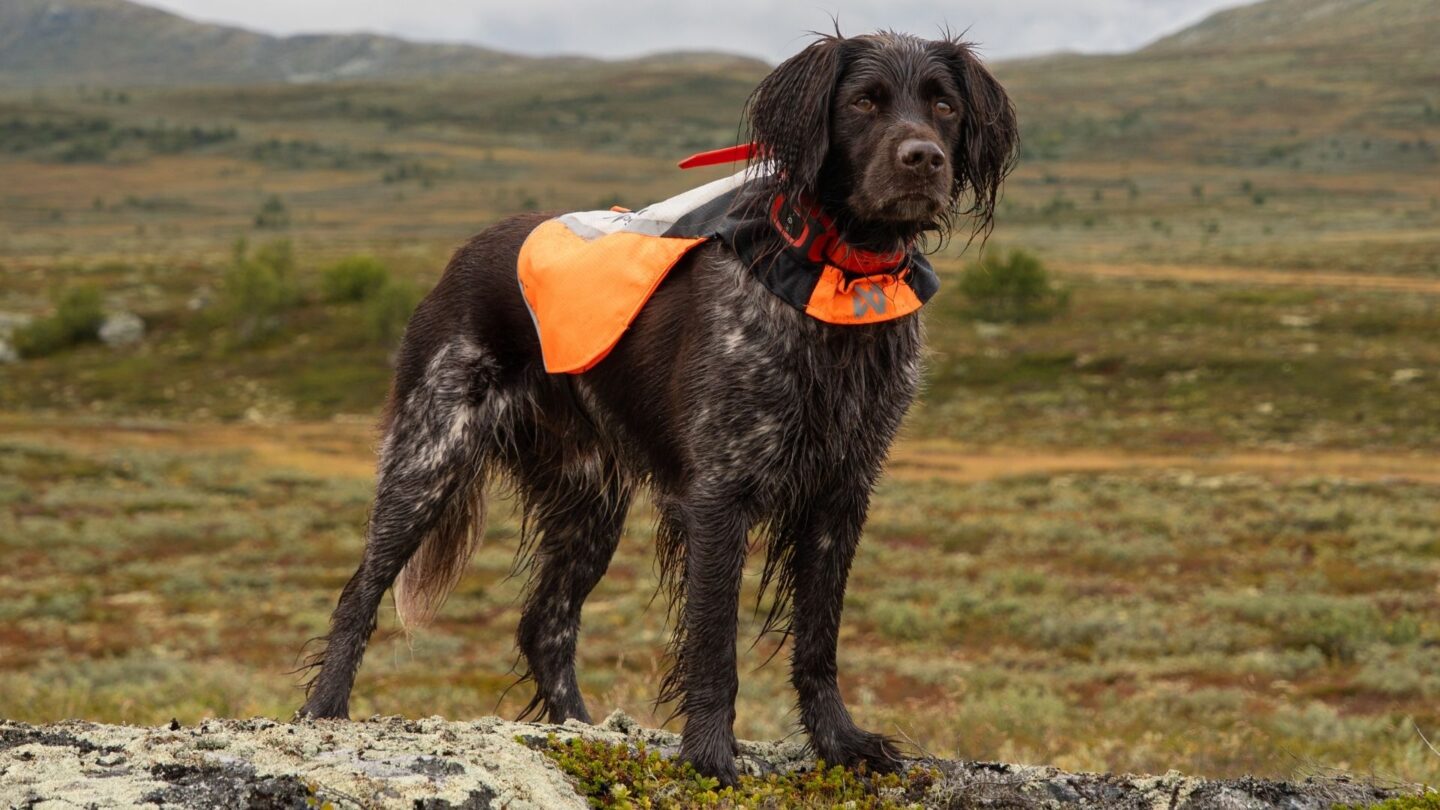
Fox hunting is a well-established form of hunting in Sweden, and dogs often play an important role. Depending on the hunting method, a dog may be used to locate and pursue the fox, track its movements or work underground in a den. How the hunt is carried out depends on factors such as the terrain, time of year and type of dog being used.
There are also clear rules governing when foxes may be hunted. Hunting seasons vary between different parts of Sweden, so it is important to check the dates that apply in the area where the hunt will take place.
The general hunting season for red fox starts on 1 August, but the closing date varies depending on the county and geographical area.
In Blekinge, Skåne and Halland counties, the general hunting season runs from 1 August to 28 February, or 29 February in a leap year.
In several other parts of Sweden, including Gotland, Jönköping, Kalmar, Kronoberg, Östergötland, Södermanland, Stockholm, Uppsala, Västmanland and Västra Götaland, the season runs from 1 August to 15 March.
In Värmland, Örebro, Gävleborg and Dalarna, the general hunting season continues until 31 March, with the exception of Älvdalen Municipality.
In Älvdalen Municipality, as well as Västernorrland, Jämtland, Västerbotten and Norrbotten, the season is the longest and runs from 1 August to 15 April.
Hunting seasons can change over time and are reviewed regularly. It is therefore important to check the current rules for the county where the hunt will take place before setting out.
Dogs can be used in several different ways during a fox hunt. The choice of hunting method often depends on the dog's characteristics, the layout of the hunting ground and the conditions on the day.
One common method is den hunting. A dog suited to working underground, such as a Dachshund, Jack Russell Terrier or Fox Terrier, is used to enter the fox den. The dog works to flush the fox out or maintain contact with it underground, while the hunter waits outside for the fox to emerge. Den hunting is often carried out during the winter months.
Another method is driven hunting. This usually involves scent hounds or other driving dogs that locate the fox and pursue it through the terrain. Hunters are positioned at suitable stands and try to anticipate the route the fox is likely to take during the drive.
During stalking or stand hunting, the dog may have a more passive role, for example helping to locate foxes or assisting during hunting at a bait site. This type of hunting often takes place when foxes are more active, such as around dawn or dusk.
During driven hunts and other forms of fox hunting, the dog can quickly move a long distance from its handler. Dense woodland, uneven terrain and large hunting areas can make it difficult to maintain visual contact at all times.
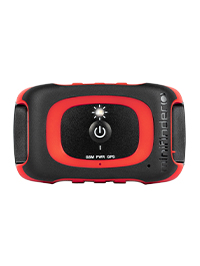
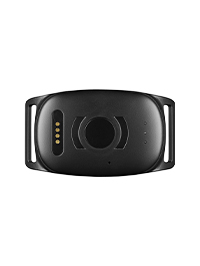
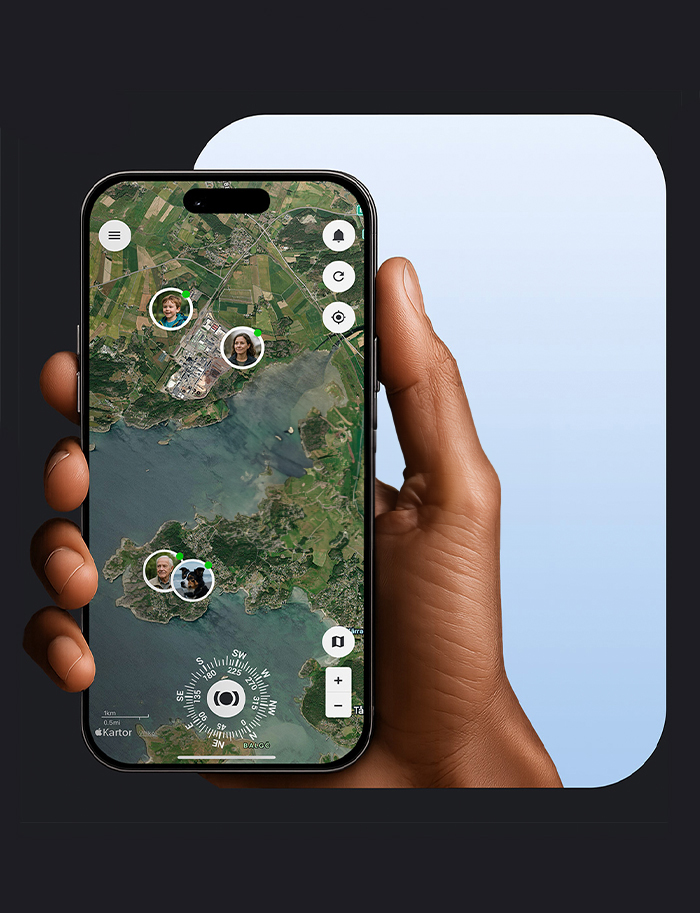
With a dog tracker, you can follow the dog's position in real time and get a clearer overview of how it is moving through the terrain. This can be particularly useful when the dog is working at a greater distance or visibility is limited.
Outside the main hunting season, there are rules that restrict when dogs may run loose in areas where wildlife is present. From 1 March to 20 August, Swedish hunting legislation requires dogs to be kept under such control that they are prevented from running loose in areas where game may be found.
These rules affect when hunting with loose dogs can take place. Den hunting at a fox den may still be possible during parts of this period, but even then, the relevant rules and conditions need to be taken into account.
As a hunter, you should therefore not rely solely on the general fox hunting season. The hunting method, use of dogs, time of year and local conditions all need to be considered before the hunt begins.


Visit our contact page.