
My cart


MiniFinder’s proprietary systems use smart technology and real-time features to enhance safety, security, and control in everyday life.
Our Categories
Selected Products
MiniFinder’s proprietary systems use smart technology and real-time features to enhance safety, security, and control in everyday life.
Our Categories
Selected Products
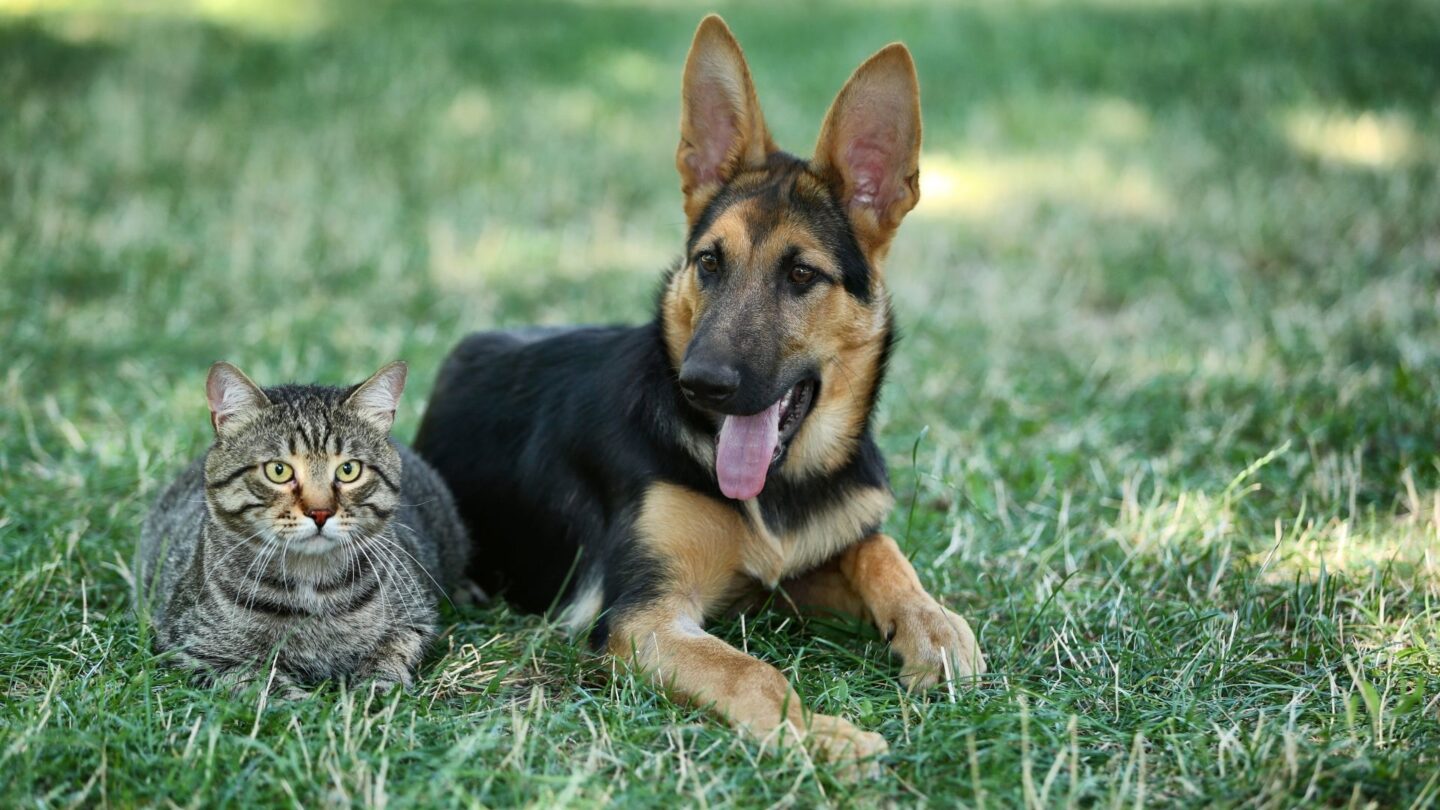
There are plenty of AirTag holders available for pet collars, and it's easy to see why. An AirTag is small, doesn't require a subscription and works well for finding keys and bags. But does it work when your cat is out at night or your dog has run into the woods? The short answer is: sometimes. Here's why.
An AirTag doesn't have its own GPS receiver or SIM card. Instead, it sends out a Bluetooth signal that can be picked up by compatible devices passing nearby. These devices then report the AirTag's location, which you can see in the Find My app on your phone.
This means the location only updates when a compatible device is nearby. In a busy city, this can happen frequently, but in forests, rural areas or during the night, you may have to wait a long time for an update. AirTags are also designed to find belongings such as keys and bags, not animals that move around on their own.
An AirTag attached to a collar isn't completely useless. If an indoor cat escapes in a built-up area or your dog gets lost in town, there may be enough nearby devices for its location to update. It can also help you find a lost collar. However, in all these situations, you're getting a clue about where your pet might be, rather than a reliable real-time location.
Many cats and dogs spend time in places where AirTags are less effective, such as woodland, fields, gardens and outdoor areas at night. You can only see the last reported location, and a moving animal may already be far away. There's also no feature that notifies you when your pet leaves home.
An AirTag that has been separated from its owner for some time may also play a sound when moved, and people nearby can receive an alert on their phones. This is an important safeguard against unwanted tracking, but it could also lead to someone removing the AirTag.
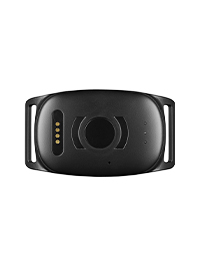
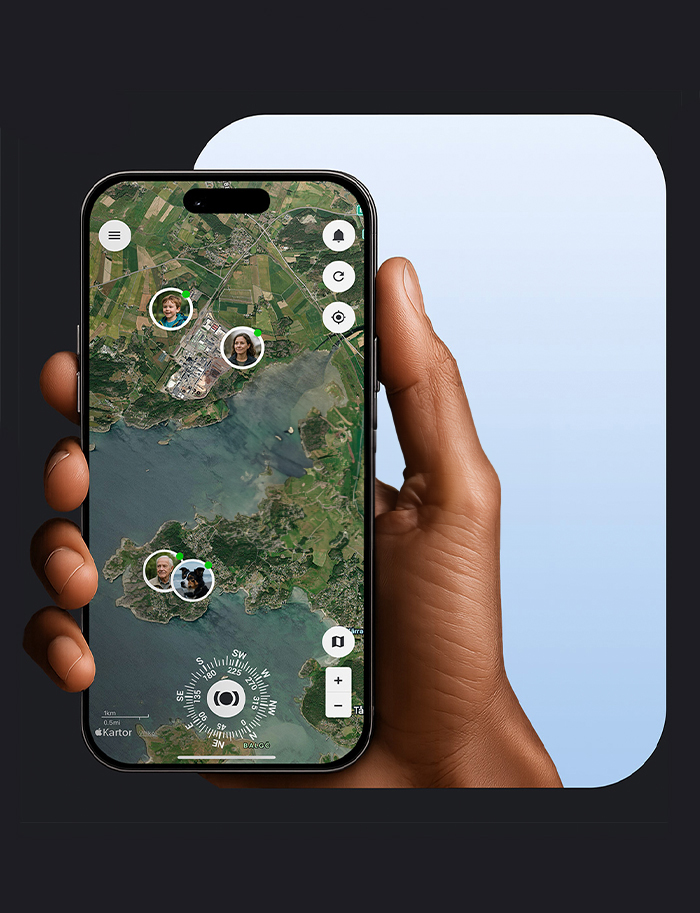
A GPS tracker for pets is designed for something an AirTag isn't: keeping track of an animal that moves around independently. It determines its location using a built-in GPS receiver and sends the information through the mobile network, so it can work wherever there is mobile coverage. In the app, you can follow your pet's location in real time, see where it has been and set up a safe zone around your home. If your pet leaves this area, you'll receive a notification.
The trade-off is that a GPS tracker needs regular charging and requires a subscription for mobile data.
If you'd like to learn more, explore our GPS trackers for cats and GPS trackers for dogs.
Think about where your pet spends its time. For an outdoor cat, a dog that occasionally runs off during walks or a pet living in the countryside, a GPS tracker is the safer choice. If you have an indoor cat in the city that occasionally escapes, an AirTag might help you find it, but you shouldn't rely on it as your only safeguard. Whatever you choose, make sure your pet is microchipped and registered.


Visit our contact page.