
My cart


MiniFinder’s proprietary systems use smart technology and real-time features to enhance safety, security, and control in everyday life.
Our Categories
Selected Products
MiniFinder’s proprietary systems use smart technology and real-time features to enhance safety, security, and control in everyday life.
Our Categories
Selected Products
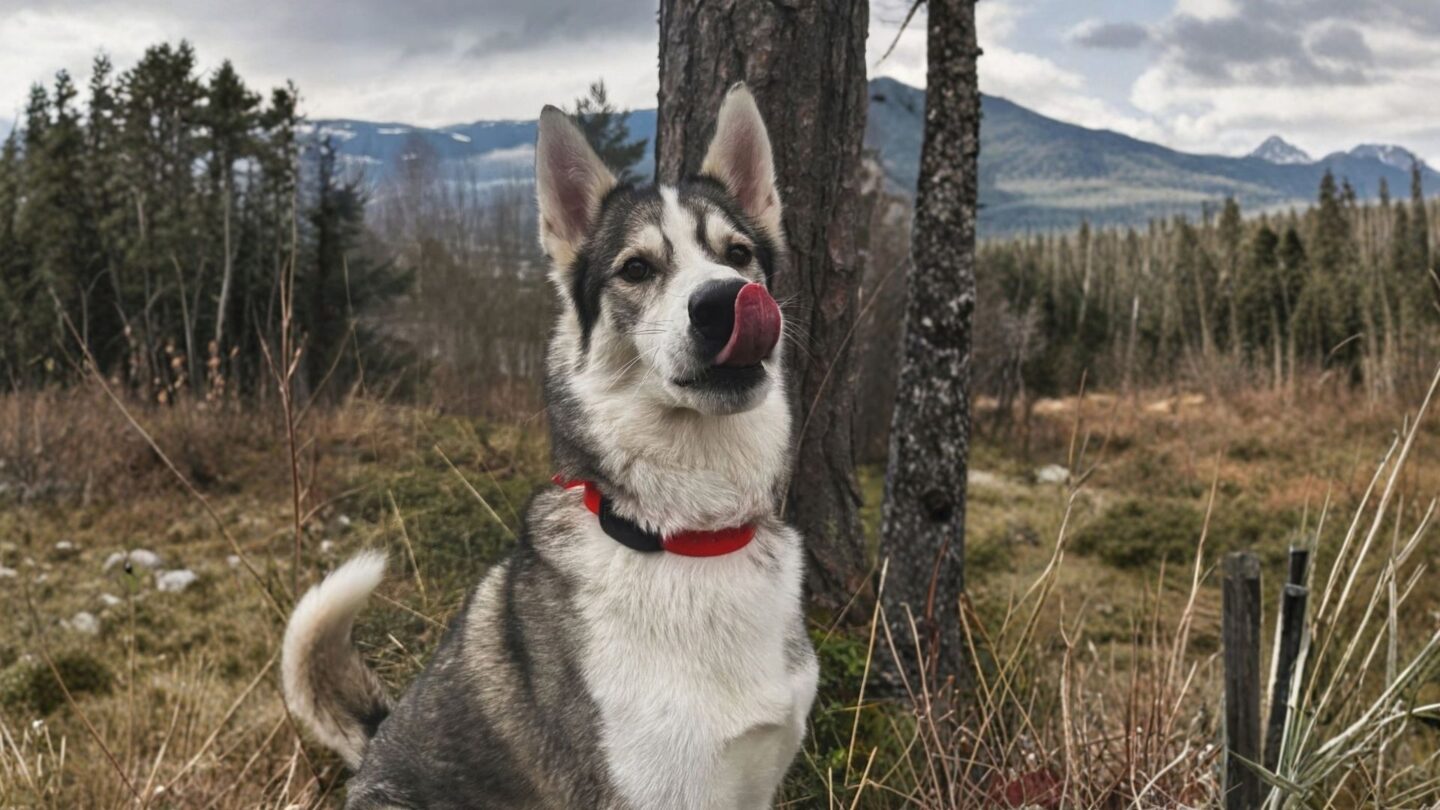
A moose hunting dog can quickly disappear deep into the forest when following a scent trail or encountering a moose. As a dog handler, it's not always easy to know where your dog is or which direction it's heading. With a GPS tracker, you can follow your dog's location on a map, keep up with its movements and plan how to reach it. When tracking wounded game, having access to up-to-date location information can be particularly useful in situations that require careful decisions and quick action.
During a moose hunt, dogs often work independently and cover large areas. In dense forests or hilly terrain, a dog can quickly disappear from both sight and hearing. Sometimes it continues pursuing a moose further than expected or heads in a direction the handler hadn't anticipated.
In thick woodland, it can be difficult to tell whether the dog is still following the moose or has changed direction. With a GPS tracker, the handler can see the dog's location on a map and better judge whether it's time to move. This is particularly useful when the dog is working far away and its barking can no longer be heard.
When a dog follows a moose over long distances, it can be difficult for the handler to know exactly where it is and how best to reach it. Dense forests, marshland and uneven terrain can also make it difficult to move quickly.
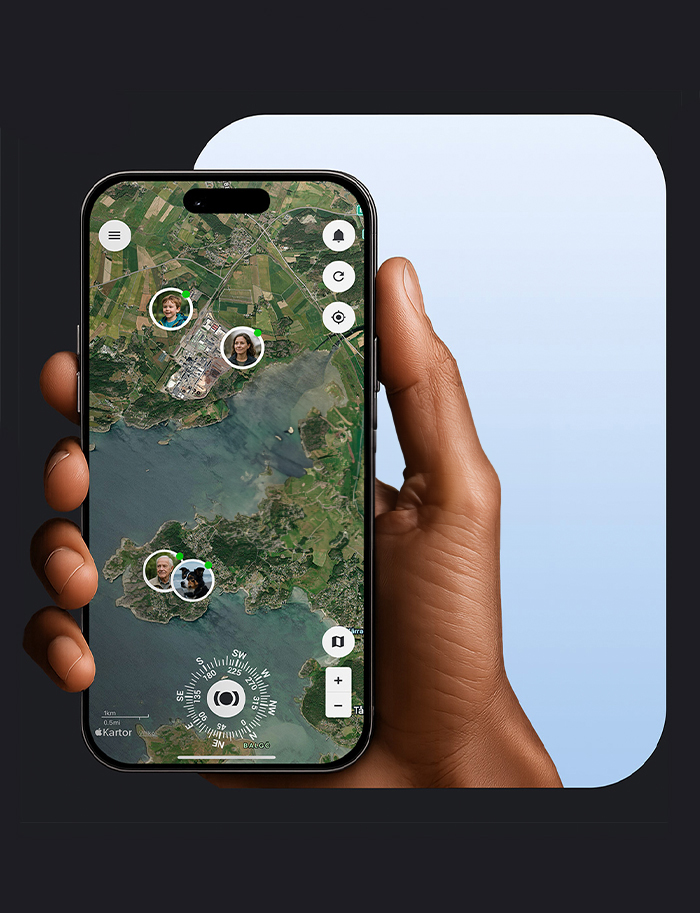
With a GPS tracker for hunting dogs, you can follow your dog's location on a map and see how it moves. This gives you a clearer overview of the hunt and helps you decide where to meet up with your dog.
It's also worth remembering that mobile coverage can vary in forested areas. If your GPS tracker uses the mobile network to send location updates to an app, poor coverage may affect your ability to follow your dog. That's why it's a good idea to check how the tracker works before heading out on a hunt.
When tracking wounded game, the handler needs to be able to follow the dog's work, even in dense vegetation and difficult terrain. The dog may move a considerable distance away while following the trail.
A GPS tracker shows the dog's reported location and how it has moved over time. This information can help the handler navigate the area and coordinate the search with others involved.
However, GPS can never replace a trained tracking dog or the handler's experience. It's an additional tool that provides a better overview of the dog's location during the search.
When your dog is working far away, it can be useful to have more than just its location. Being able to communicate with your dog can also be an advantage.
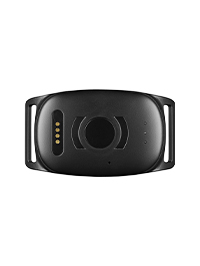
MiniFinder Rex features two-way communication, allowing the handler to call the device. This can be useful when the dog is some distance away and the handler wants to try to make contact.
With MiniFinder Hunter, the rest of the hunting team can also follow the dog's location on a map. This makes it easier to keep everyone informed, particularly during larger hunts where several dog handlers and hunters are spread across the area.
During a moose hunt, a dog may sometimes end up far from its handler or move into areas where it is difficult to find. In these situations, a GPS tracker can be a valuable tool.
By following your dog's location on a map, you get a better idea of where it is. If your dog doesn't return after the hunt, you can use its last reported location to help identify where to start looking.
Keep in mind that location updates can be affected by mobile coverage and may not always appear immediately. GPS gives you a better overview of your dog's whereabouts, but it's still important to keep an eye on your dog and make sure it returns when the hunt is over.
The right GPS tracker depends on how you hunt and which features you need. Battery life, location update intervals, mobile coverage and how easy it is to follow your dog on the map are all important factors to consider.
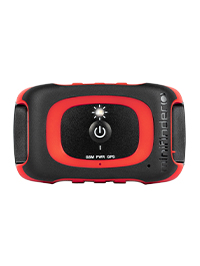
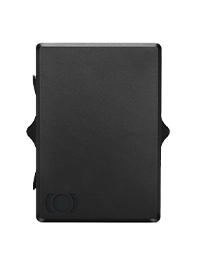
MiniFinder offers two GPS trackers for hunting dogs: MiniFinder Rex and MiniFinder Vexo. Rex includes features such as two-way communication and a bark indicator, while Vexo is an option for hunters who mainly want to follow their dog's location during the hunt.
Both trackers work with the MiniFinder Hunter app, where you can follow your dog's location on the map and share it with the rest of your hunting team. This allows more hunters to stay informed about the dog's movements throughout the hunt.
Learn more about MiniFinder's GPS trackers for hunting dogs and compare the models to find the one that best suits your needs.


Visit our contact page.