
My cart


MiniFinder’s proprietary systems use smart technology and real-time features to enhance safety, security, and control in everyday life.
Our Categories
Selected Products
MiniFinder’s proprietary systems use smart technology and real-time features to enhance safety, security, and control in everyday life.
Our Categories
Selected Products
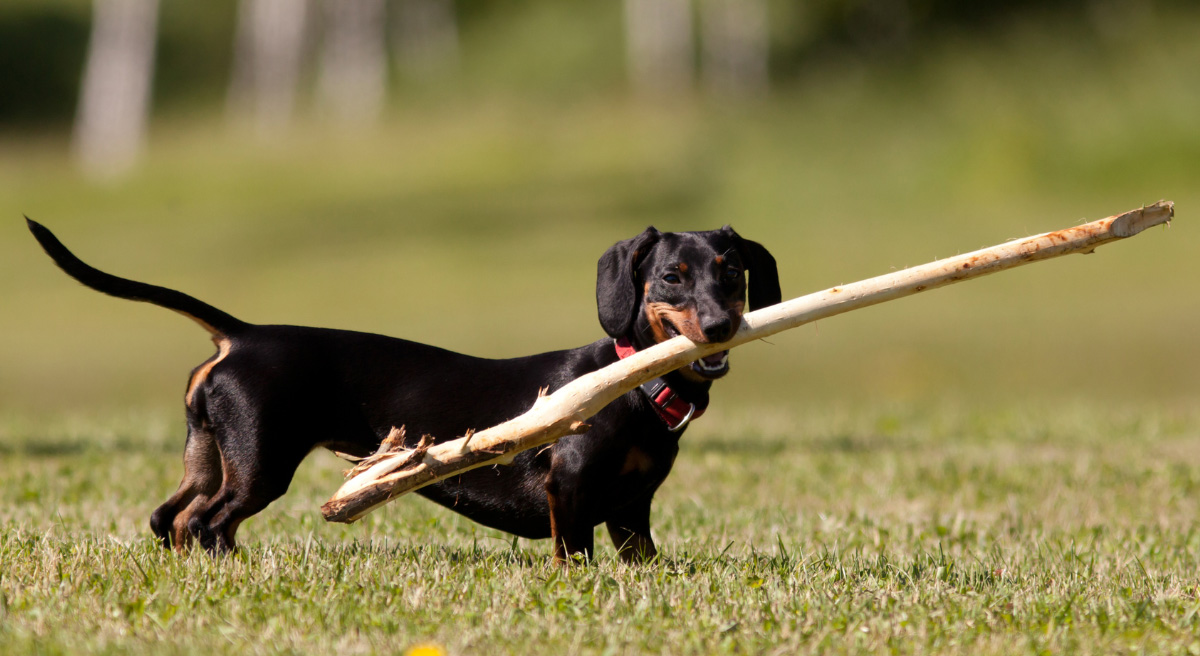
The dachshund is one of Sweden’s most commonly used hunting dogs, and for good reason. It is persistent, durable and built to work close to the ground. At the same time, this also places high demands on the equipment. During den hunting, the dog disappears underground, while during driven hunting it can quickly move deep into dense forest terrain. In both situations, it is easy to lose track of where the dog is located, which is where a reliable GPS tracker becomes essential.
A dachshund is a relatively small dog, which affects the type of tracker that fits best. A heavy or bulky GPS device can interfere with the dog’s movement and become uncomfortable, especially for dogs with shorter legs and compact bodies. Choose a GPS tracker designed to fit comfortably on all breeds, preferably one with low weight that the dog barely notices.
It is also important to remember that the tracker will be used outdoors in all weather conditions. Waterproofing is not a bonus – it is a requirement. Whether hunting close to damp ground or tracking through rain and snow, the device needs to handle demanding environments without failing.
During driven hunting, dachshunds move quickly and often unpredictably. They follow scent trails rather than paths and can cover long distances before you have time to react. This makes the update frequency of the GPS tracker extremely important. A device that updates positions frequently gives you an accurate overview of where the dog actually is right now, rather than where it was several minutes ago.
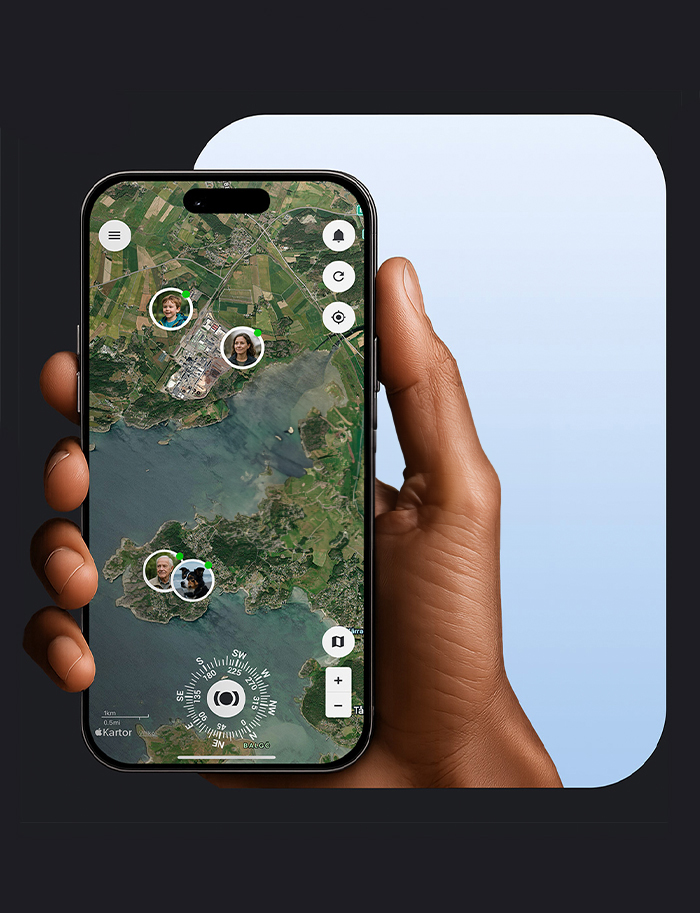
Even better is the possibility for the entire hunting team to follow the dog simultaneously through a shared app. This makes coordination easier and allows the team to react quickly if the dog moves outside the planned hunting area.
Many hunters already use traditional radio tracking systems and wonder what a GPS tracker adds. The answer depends on how you hunt. A GPS-based tracker provides the dog’s exact GPS position on a map in real time, something traditional radio trackers cannot offer in the same way. Some hunters choose to use GPS trackers as a complement, combining visual overview with radio tracking for direction guidance in dense terrain.
Besides weight and waterproofing, it is worth considering battery life, update frequency and whether the tracker can connect to an app that the entire hunting team can use. Can you receive alerts if the dog leaves a defined area? Is there an option for remote communication with the dog? These are features that can make a significant difference during a long hunting day.
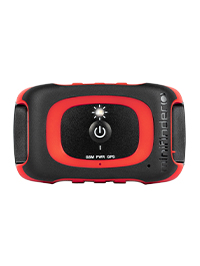
MiniFinder offers hunting GPS trackers in different versions, from the compact Vexo weighing only 39 grams to the feature-rich Rex with two-way communication, bark indicator and up to 200 hours of battery life. Both are waterproof and connect to the free hunting app MiniFinder Hunter, where you and your entire hunting team can follow the dog’s GPS position in real time on a map. A reliable choice whether your dachshund is heading underground or into a driven hunt.