

My cart


MiniFinder’s proprietary systems use smart technology and real-time features to enhance safety, security, and control in everyday life.
Our Categories
Selected Products
MiniFinder’s proprietary systems use smart technology and real-time features to enhance safety, security, and control in everyday life.
Our Categories
Selected Products
Driven hunting is one of the hunting traditions that requires the highest level of coordination. Multiple hunters, dogs, and drivers move simultaneously through the same terrain, making communication and situational awareness essential. Accidents during driven hunts are rarely caused by carelessness. Instead, they are often the result of insufficient information about where other members of the hunting team are located. This is where GPS technology plays an increasingly important role.
During a driven hunt, the hunting team is divided into drivers and shooters. The drivers actively move through the terrain to push the game toward the shooting line, while the shooters remain at their assigned stands. The challenge arises when game, dogs, and drivers move quickly and unpredictably, leaving the shooters without an exact understanding of where the drivers are in relation to the line of fire.
It is within this information gap that accidents can occur. Relying solely on voice communication, hunting horns, and maps is not always sufficient in dense forests or hilly terrain, where sound echoes and visibility is limited.
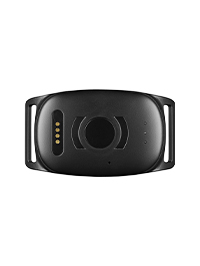
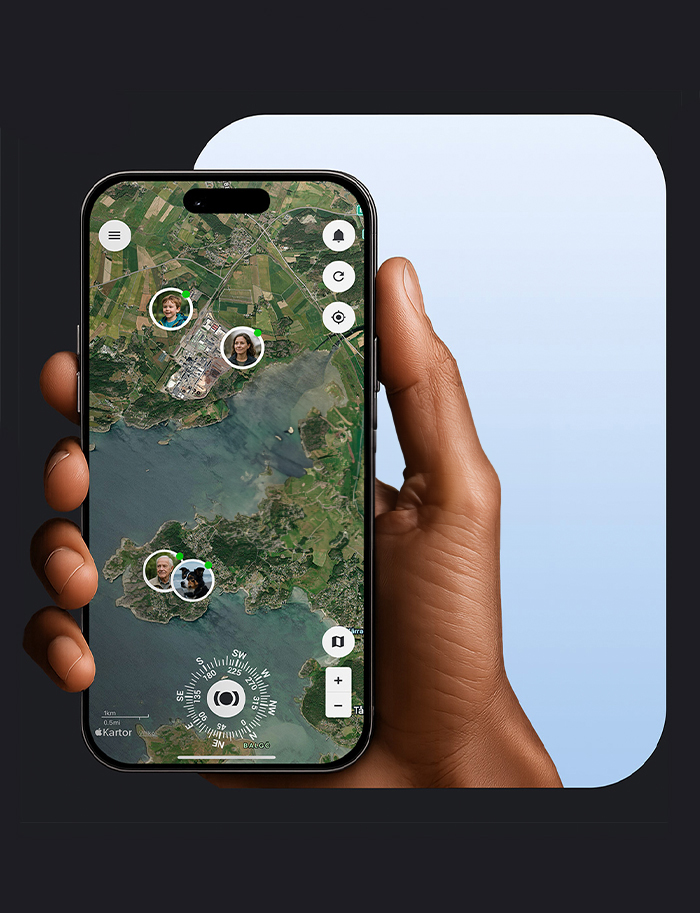
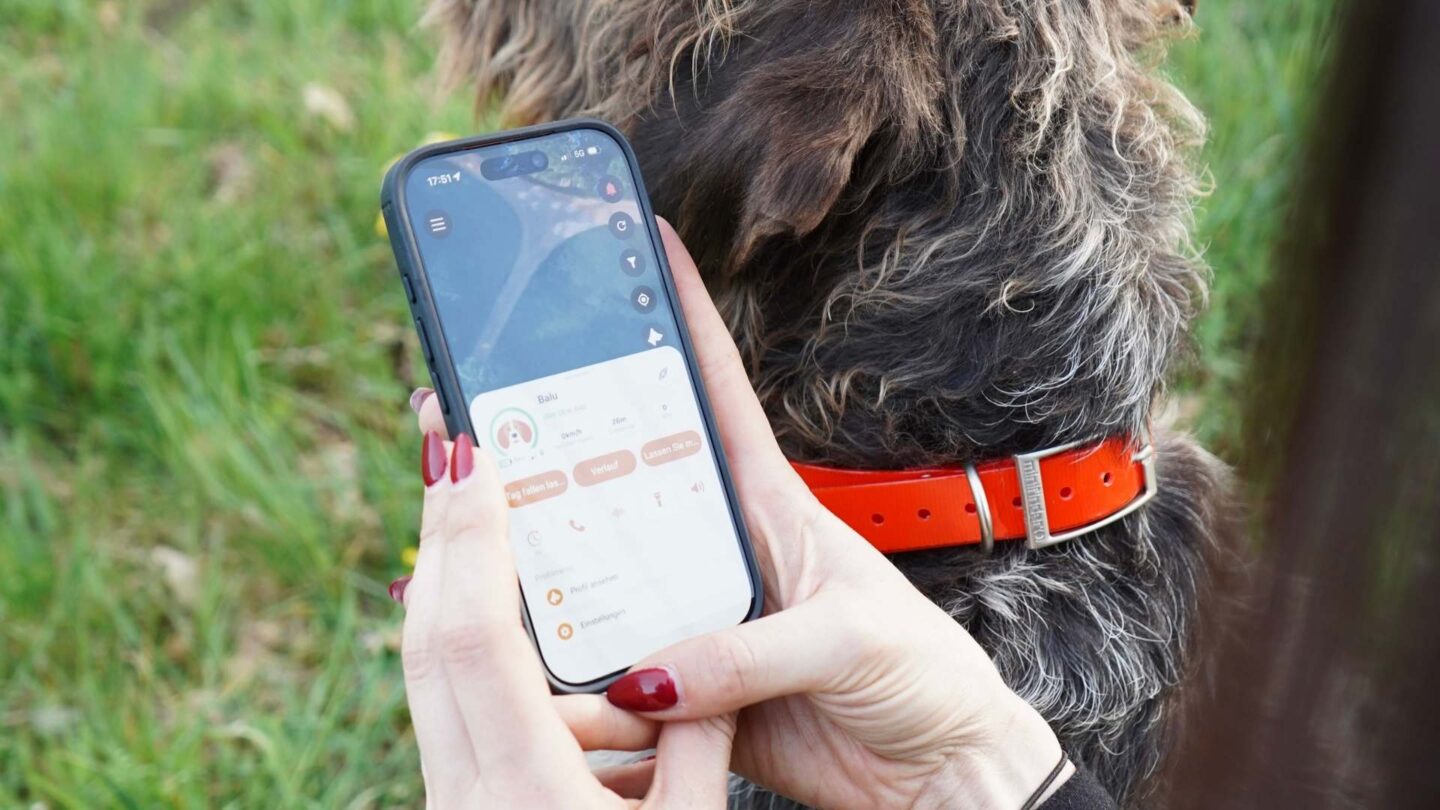
By using GPS tracking on the hunting dogs, the entire hunting team receives real time information about the location of the dogs and, consequently, the drivers following them. Hunters positioned at their stands can use the app to see whether the dogs are still deep inside the forest or beginning to approach the shooting line. This provides valuable time to react, reposition if necessary, and maintain safe shooting distances.
GPS is not a replacement for clear hunting rules and thorough safety briefings, but it is a powerful complement that fills an information gap that has long existed during driven hunts.
GPS delivers the greatest benefits when combined with well defined hunting procedures. Before the hunt begins, decide who is responsible for monitoring the dogs' positions, how the hunting team should communicate unexpected movements, and what actions should be taken if a dog suddenly turns back toward the shooting line.
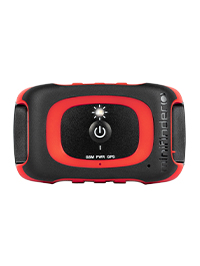
A GPS hunting dog tracker provides both bark indication and real time positioning, but the information must still be interpreted and communicated. It is advisable to appoint a hunt leader who maintains an overall view of the situation and informs the rest of the team whenever circumstances change.
Most hunters who begin using GPS trackers during the hunt initially see them as a way to locate their dogs more quickly. However, in driven hunting, this functionality is just as important from a safety perspective. Knowing that the dogs and the drivers behind them are still 400 metres inside the forest provides a completely different level of confidence at the moment of taking a shot than simply hoping everyone is where they are expected to be.
GPS technology does not change the hunt. It makes it safer.
Want to learn more about how GPS trackers can be used during hunting? Read more about our hunting solutions here.


Visit our contact page.