

My cart


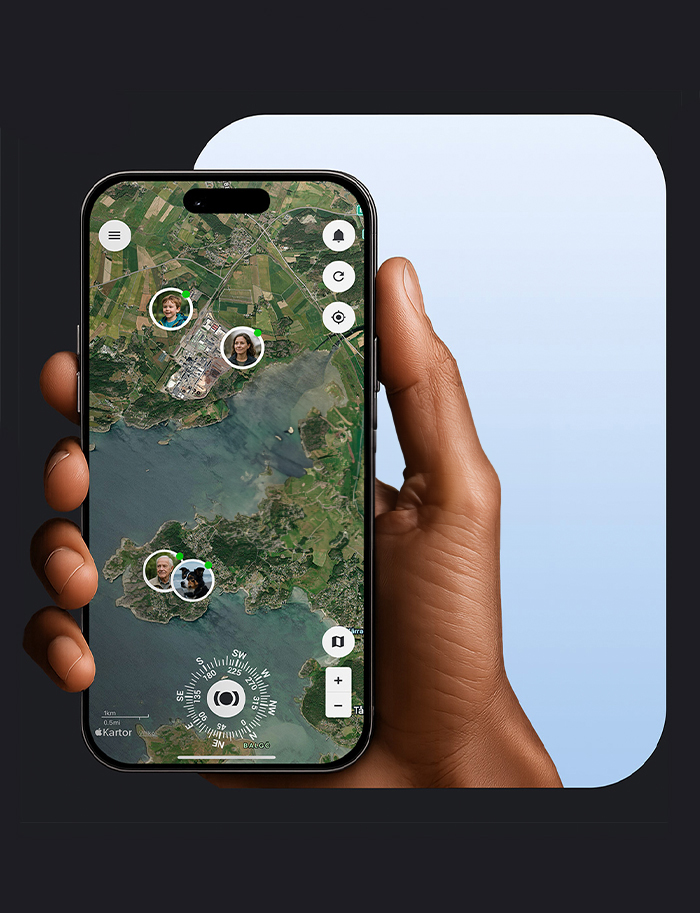
MiniFinder’s proprietary systems use smart technology and real-time features to enhance safety, security, and control in everyday life.
Our Categories
Selected Products
MiniFinder’s proprietary systems use smart technology and real-time features to enhance safety, security, and control in everyday life.
Our Categories
Selected Products
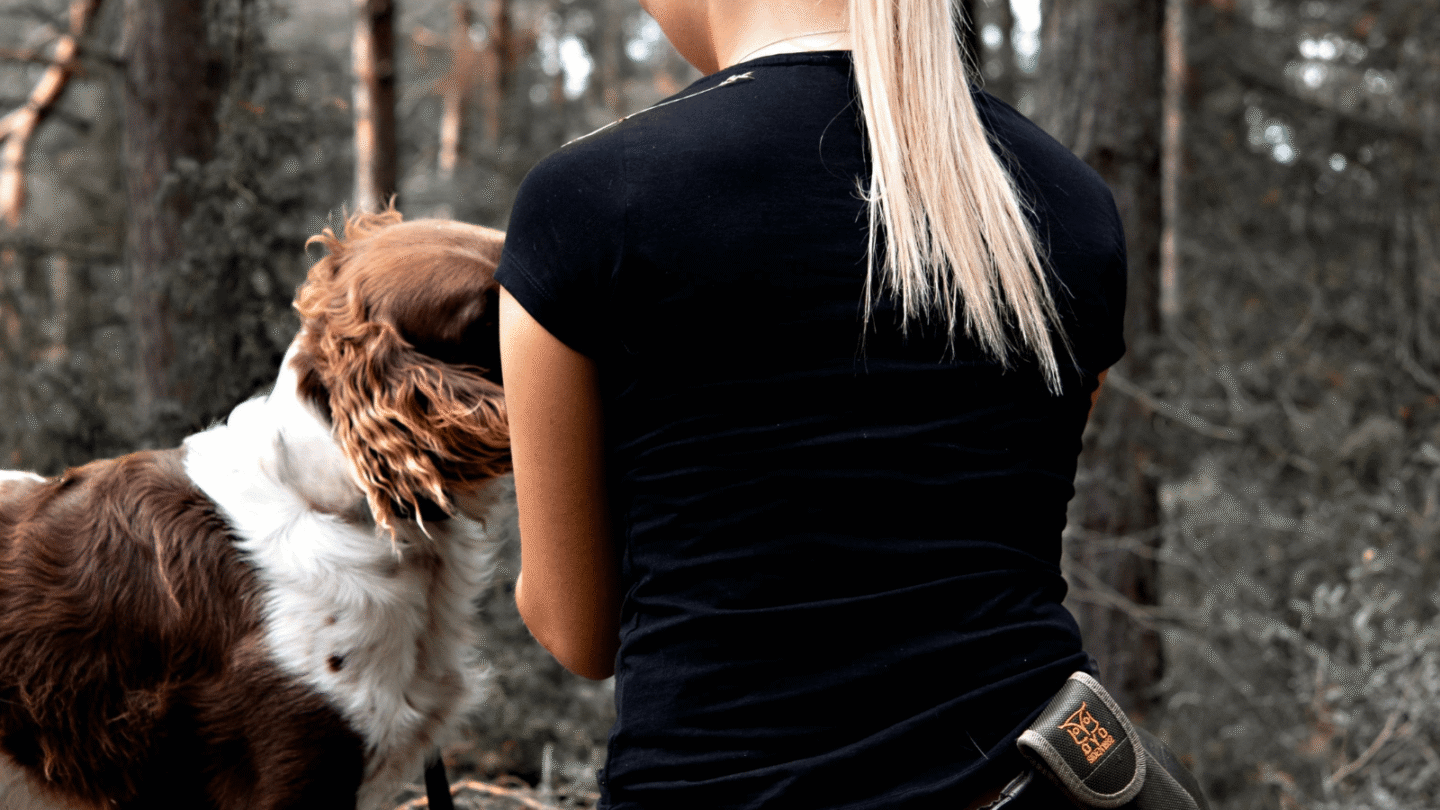
Having a lost dog is something most dog owners hope they never have to experience. Unfortunately, it happens more often than many people think. A dog can become frightened, pick up an interesting scent, or simply run off and suddenly be out of sight.
When it happens, it is easy to panic, but the most important thing is to stay calm. The vast majority of lost dogs are eventually found or make their way back home on their own. By acting quickly and methodically, you can significantly increase the chances of being reunited with your dog.
In this guide, we will go through what you should do immediately if your dog runs away, which mistakes to avoid, and how GPS technology can help if the unexpected happens.
When you realize your dog has gone missing, it is important to stay calm and avoid panicking. Many people instinctively start shouting their dog's name and running around, but this can sometimes make the dog more stressed or frightened.
Instead, call your dog in a calm and positive voice that it recognizes. Try to remain in the area where your dog was last seen and get an idea of the direction it may have taken. Many dogs return to the same place later when they no longer know where to go.
If possible, have one person stay where the dog disappeared while another keeps an eye on your home. Some dogs choose to return home on their own.
If your dog has a way of getting back home, make sure it can get inside, for example by leaving a door open if it is safe to do so.
Once the initial panic has passed, it is time to start searching. Always begin in the area where the dog was last seen, or around your home if the dog disappeared from there.
Talk to people you meet and ask whether they have seen your dog. The more people who know your dog is missing, the greater the chance that someone can provide useful information about where it has gone.
It is also a good idea to search places your dog knows and enjoys. Many dogs return to familiar locations when they become uncertain or lose their sense of direction.
Bring your dog's favorite treats, favorite toy, or something that smells like home, such as a blanket. Familiar scents and sounds can help your dog feel safe and make it easier for them to find their way back to you.
If you do not find your dog immediately, you should inform relevant organizations and groups as soon as possible. This increases the likelihood that someone will recognize your dog and contact you if it is spotted.
Report your dog as missing to the police, register it as missing with pet registries if applicable, and keep an eye on missing pet services in your area. It is also a good idea to share information and photos of your dog in local Facebook groups for lost pets and community groups in the area where the dog disappeared.
The more people who know your dog is missing, the greater the chance it will return home quickly.
By avoiding these common mistakes, you can improve the chances of being reunited with your dog more quickly.
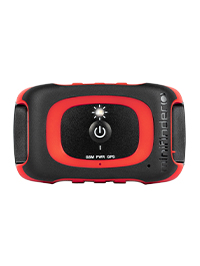
If your dog is wearing a GPS tracker, you can often see its location directly on your phone instead of starting a large-scale search effort. For dogs that frequently roam off-leash in forests, during training sessions or while hunting, a GPS tracker can be a valuable tool if the unexpected happens.
Modern GPS trackers for dogs offer features such as real-time location tracking, location history and notifications if your dog leaves a predefined area. This allows you to react more quickly if your dog runs away and gives you a clearer picture of where it may have gone.
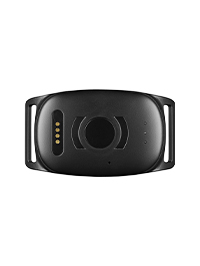
One example is MiniFinder Atto Pro, which displays your dog's location directly in the MiniFinder Live app. Thanks to real-time GPS tracking, you can follow your dog's movements and quickly find out where it is if it disappears from sight.
If you would like to learn more about different GPS solutions for dogs, visit our GPS for dogs page and compare the options that best suit your needs.
Although a GPS tracker can be a helpful tool, there are several other things you can do to reduce the risk of your dog running away. One of the most important is to practice recall training regularly. A dog that responds quickly to recall commands is more likely to return immediately if it picks up an interesting scent or becomes distracted.
It is also important to regularly check your dog's collar and harness to make sure they fit properly and are in good condition. If your dog does go missing, a collar with contact information can make it much easier for someone to help your dog get home.
In unfamiliar environments, it is wise to be extra cautious. Use a leash when necessary and keep a close eye on your dog. For many dog owners, a GPS tracker provides additional peace of mind during walks, training sessions and outdoor adventures.
If your dog runs away, the most important thing is to stay calm and act methodically. Avoid panicking, chasing your dog or shouting loudly. Instead, try to encourage your dog with a calm voice and use familiar items from home, such as a blanket, toy or food bowl with familiar scents.
The sooner you inform people in the area, local groups, pet registries and authorities, the greater the chance that someone will spot your dog and help bring it home. At the same time, a GPS tracker can make the entire process much easier. Instead of carrying out an extensive search, you can often see your dog's location directly on your phone and be reunited with your four-legged friend much faster.


Visit our contact page.