
My cart


MiniFinder’s proprietary systems use smart technology and real-time features to enhance safety, security, and control in everyday life.
Our Categories
Selected Products
MiniFinder’s proprietary systems use smart technology and real-time features to enhance safety, security, and control in everyday life.
Our Categories
Selected Products
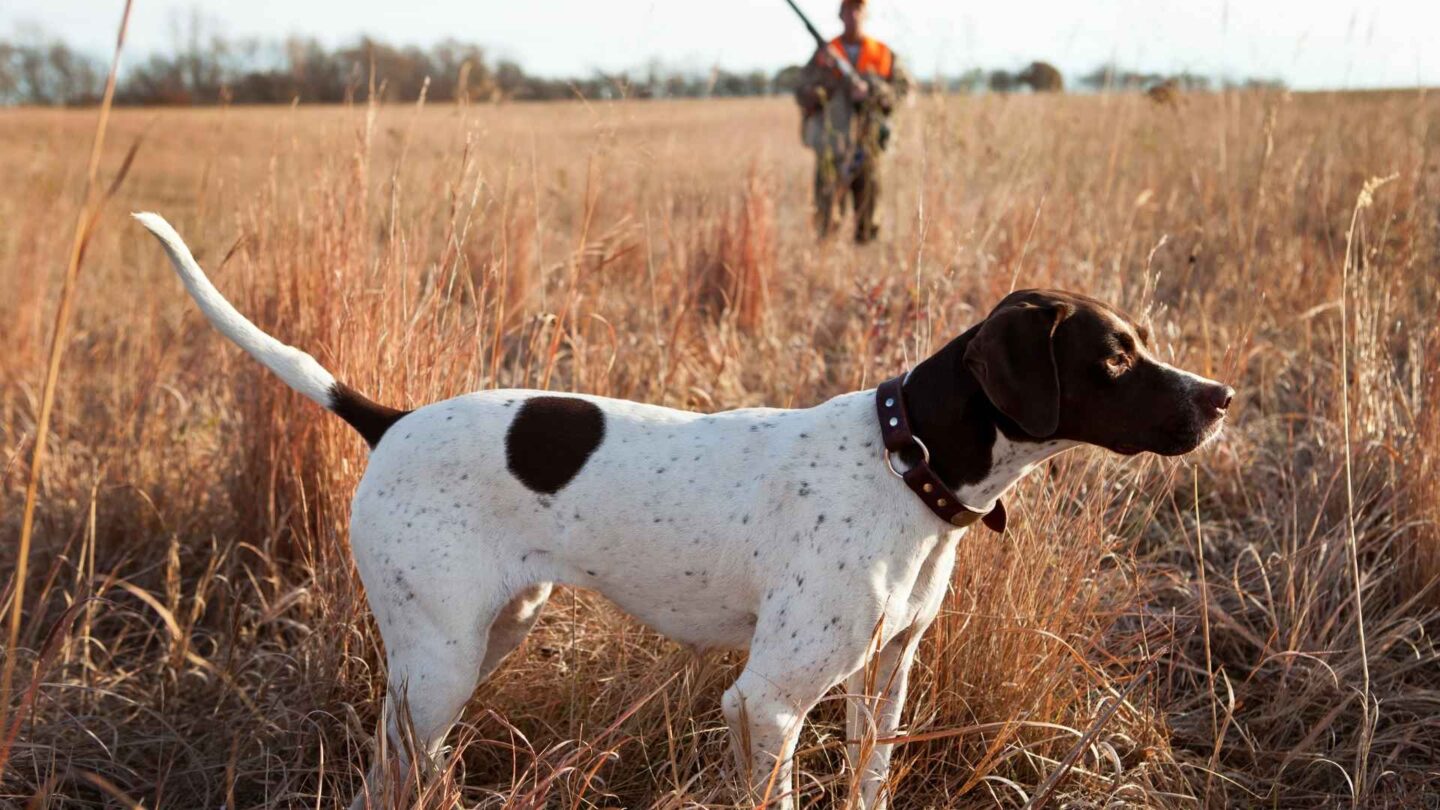
Roe deer can be hunted in several different ways. During autumn and winter, hunting with driving or short driving dogs is a well established method. The dog searches the terrain for roe deer and gets the animal moving, while the hunters take up positions at stands where the deer is likely to pass.
For the hunt to be both safe and effective, it is important to know the hunting seasons for roe deer and to keep track of how the dog moves through the hunting area.
The general hunting season for roe deer runs from 1 October to 31 January. Antlered roe deer may also be hunted from 16 August to 30 September and from 1 May to 15 June, but only by stalking or hunting from a fixed position. Roe deer kids may be hunted from 1 to 30 September, also only by stalking or hunting from a fixed position.
For anyone planning to hunt roe deer with a dog, the period from 1 October to 31 January is particularly important. During this period, a hunting dog suited to the purpose may be used for hunting and training on roe deer.
When hunting with a driving dog, the dog is released into the hunting area to search for scent and locate game. Once it finds a roe deer, it may flush the animal from its resting place and follow it while giving tongue. This gets the roe deer moving and may bring it past one of the hunters waiting at a suitable stand.
Roe deer often stay within relatively limited areas and may follow familiar routes during a drive. Knowledge of the hunting ground is therefore important when deciding where to position the hunters.
Another option is to use a short driving dog. These dogs are bred to pursue game for a shorter distance or period of time before breaking off and returning. This type of hunting is used for roe deer, among other game, and can be well suited to smaller hunting areas.
When a dog is working independently in the forest, it can quickly disappear from sight. For the handler, it is therefore important to know where the dog is, which direction it is moving in and how the drive is developing.
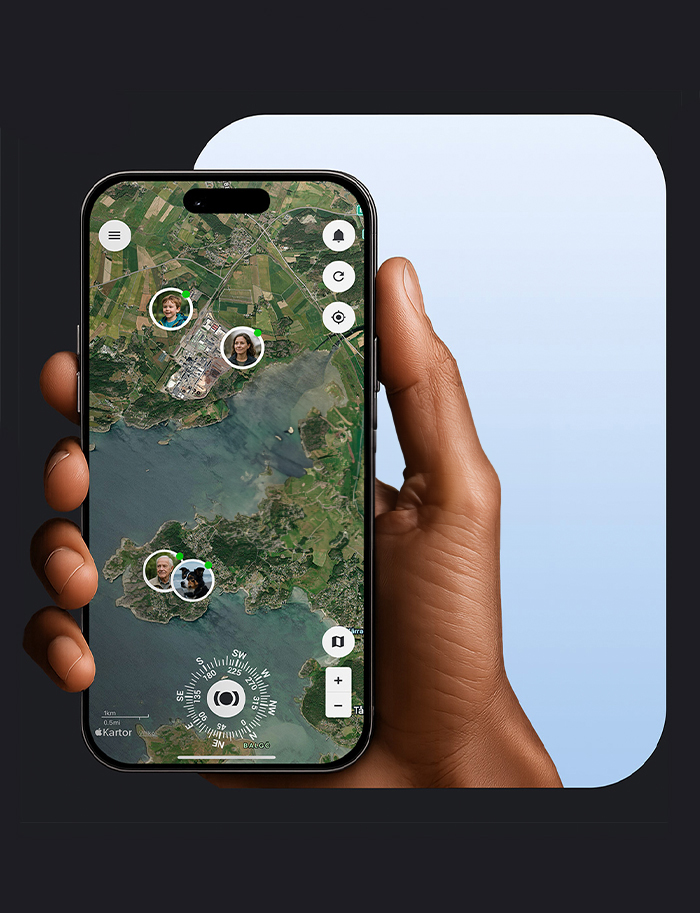
A GPS based dog tracker allows you to follow the dog's position on a map without relying on visual contact. This gives you a better overview if the dog approaches a road, leaves the hunting area or moves towards another part of the hunting ground.
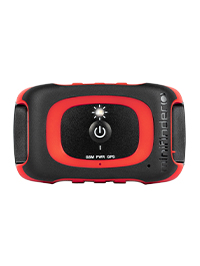
MiniFinder Rex, for example, is a dog tracker designed for hunting dogs that displays the dog's position in MiniFinder Hunter. The position can be updated at intervals as short as five seconds, and the device also features a bark indicator. The app also lets you view the dog's movements and position history, providing additional insight into how the dog has worked during the hunt.
A successful roe deer hunt with a dog is about more than simply finding game. The size of the hunting ground, the location of roads, the hunters' positions and the way the dog works should all be considered before the dog is released.
By knowing the hunting season regulations, planning the stands and being able to follow the dog's movements, it becomes easier to maintain an overview once the drive is underway. The dog tracker then serves primarily as a tool for understanding where the dog is and how the hunt is developing across the terrain.


Visit our contact page.