
My cart


MiniFinder’s proprietary systems use smart technology and real-time features to enhance safety, security, and control in everyday life.
Our Categories
Selected Products
MiniFinder’s proprietary systems use smart technology and real-time features to enhance safety, security, and control in everyday life.
Our Categories
Selected Products
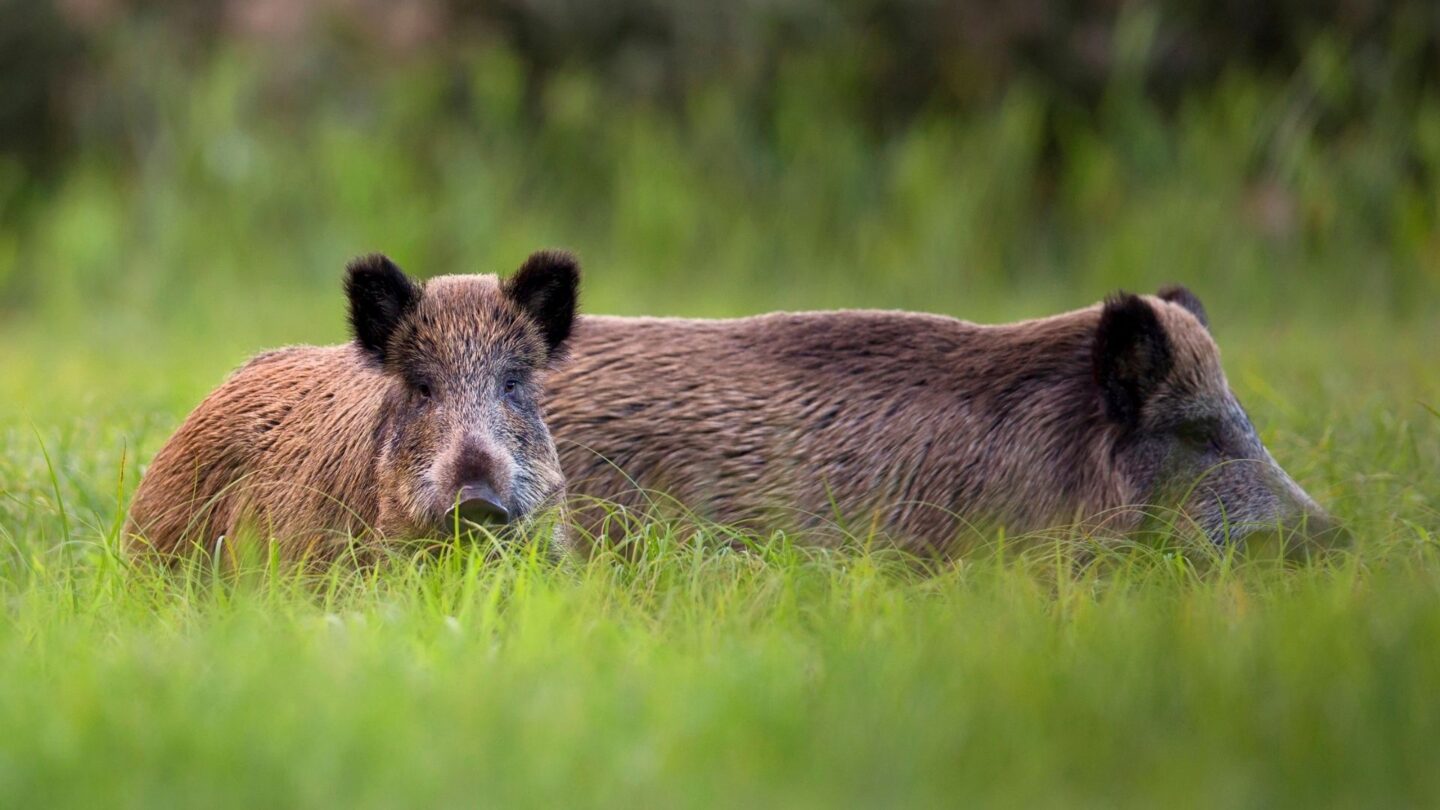
Wild boar hunting in Sweden differs from many other types of hunting. It can be carried out as stand hunting, stalking or as an active hunt with dogs. When hunting wild boar with a dog, it is important to use a dog that is suited to the task and knows how to work around wild boar.
Wild boar are powerful and intelligent animals that often move through dense, difficult terrain, and much of the hunting takes place during the darker hours of the day. This places particular demands on both the dog and the hunter. Here, we explain how wild boar hunting with dogs works, which dogs are suitable and what to consider before the hunt.
During a wild boar hunt, the dog is released into the hunting area to search for wild boar using its sense of smell. What happens once the dog finds the game depends on the type of dog being used. A baying dog tries to keep the wild boar in one place and marks its position by barking, while a driving or short-driving dog instead gets the animal moving.
The hunters then follow how the hunt develops. Stand hunters are positioned where the wild boar are expected to pass, while the dog handler keeps track of the dog's work and movements. Since the dog can quickly disappear from both sight and hearing, a GPS dog tracker is often used to see where it is and which direction the hunt is moving.
With a baying dog, the hunt can develop differently. Once the dog has stopped the wild boar and is holding it at bay with persistent barking, the handler can try to approach quietly and get into a safe shooting position.
Wild boar also tend to stay in dense vegetation, ditches, depressions and other terrain where they can be difficult to spot. They are particularly active during the darker hours, which means many encounters take place in the evening or at night. This makes the hunting conditions quite different from traditional moose or roe deer hunting.
There is also one important difference after a wild boar has been shot compared with many other game species in Sweden. The meat must be tested for Trichinella before it is eaten.
There is no single breed that is best for every type of wild boar hunting. The individual dog's characteristics are just as important. It needs to be brave and independent, while still keeping enough distance from the wild boar to avoid unnecessary risks.
Baying dogs such as the Jämthund, Norwegian Elkhound and various Laika breeds use their bark to try to keep the wild boar in one place. Short-driving dogs such as the Wachtelhund and Slovenský kopov instead get the game moving in shorter drives. The German Hunting Terrier is also used for wild boar hunting and is known for its sharpness and intensity.
Regardless of breed, the dog needs to search well, work together with its handler and be properly prepared for the hunt. Training should be built up gradually, with a solid foundation in obedience and recall.
The hunting seasons for wild boar vary depending on the age of the animal. Young wild boar may be hunted throughout the year, from 1 July to 30 June. Adult wild boar may be hunted from 1 April to 31 January.
An important exception applies to sows accompanied by striped or brown piglets. They are protected throughout the year.
It is also important to distinguish between the wild boar hunting season and the period when dogs may be used. Dogs suitable for wild boar hunting may be used for hunting and hunting training from 1 August to 31 January.
When hunting wild boar, there must also be access to a dog specially trained to track wounded game. The dog must be able to reach the site where the animal was shot within a maximum of two hours.
Wild boar hunting carries a greater risk of injury to the dog than many other types of hunting. A wild boar that feels cornered may defend itself, and its tusks can cause serious injuries. Safety therefore depends both on the dog being used and how it is allowed to work.
A protective vest designed for wild boar hunting can provide extra protection for vulnerable parts of the dog's body. It is also a good idea to carry first-aid equipment for the dog and know where the nearest veterinarian is before setting out.
Being able to keep track of the dog while it is working is just as important. A wild boar hunt can quickly move from one area to another, and the dog may end up close to roads or other hazards without the handler being able to see it.
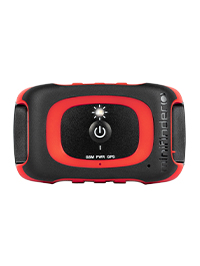
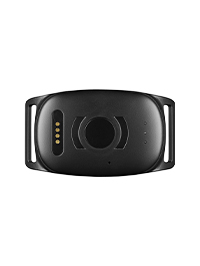
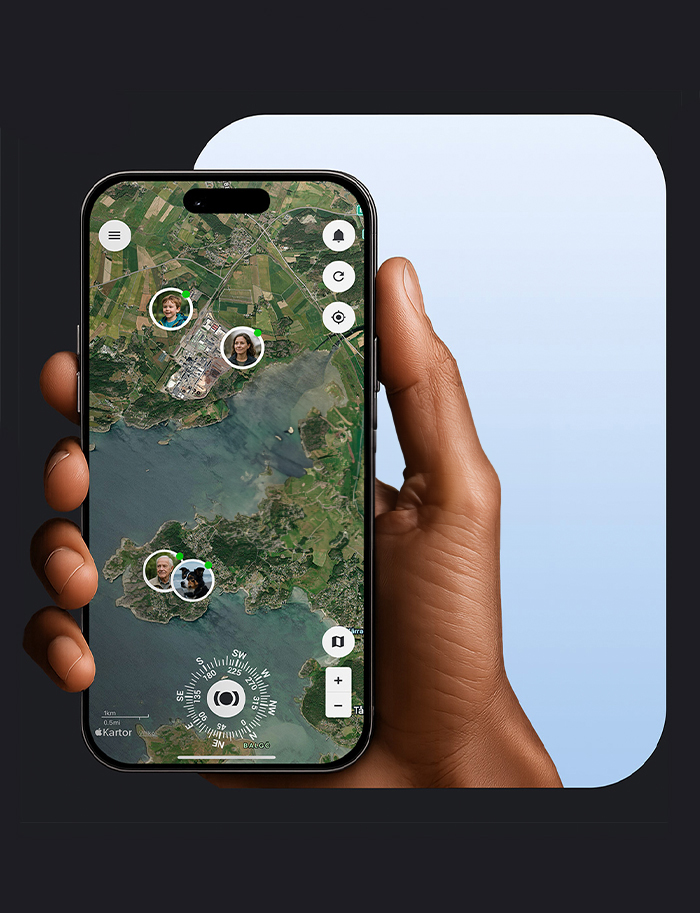
With a GPS dog tracker, you can follow your dog's position even when it is working far away or in dense terrain. With MiniFinder Rex, you can see your dog's position and movements directly in MiniFinder Hunter, making it easier to follow how the hunt is developing.
You can also see if the dog is moving towards a road or leaving the hunting area. The entire hunting team can follow the dog's position in Hunter, while Rex's bark indicator shows when the dog is barking, even when it is out of sight and hearing.


Visit our contact page.