
My cart


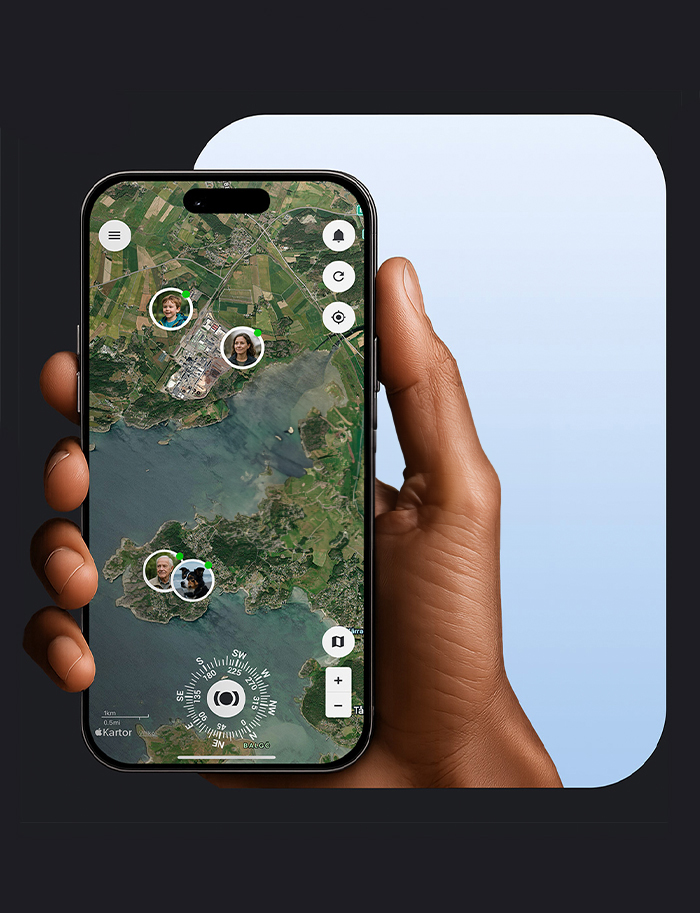
MiniFinder’s proprietary systems use smart technology and real-time features to enhance safety, security, and control in everyday life.
Our Categories
Selected Products
MiniFinder’s proprietary systems use smart technology and real-time features to enhance safety, security, and control in everyday life.
Our Categories
Selected Products
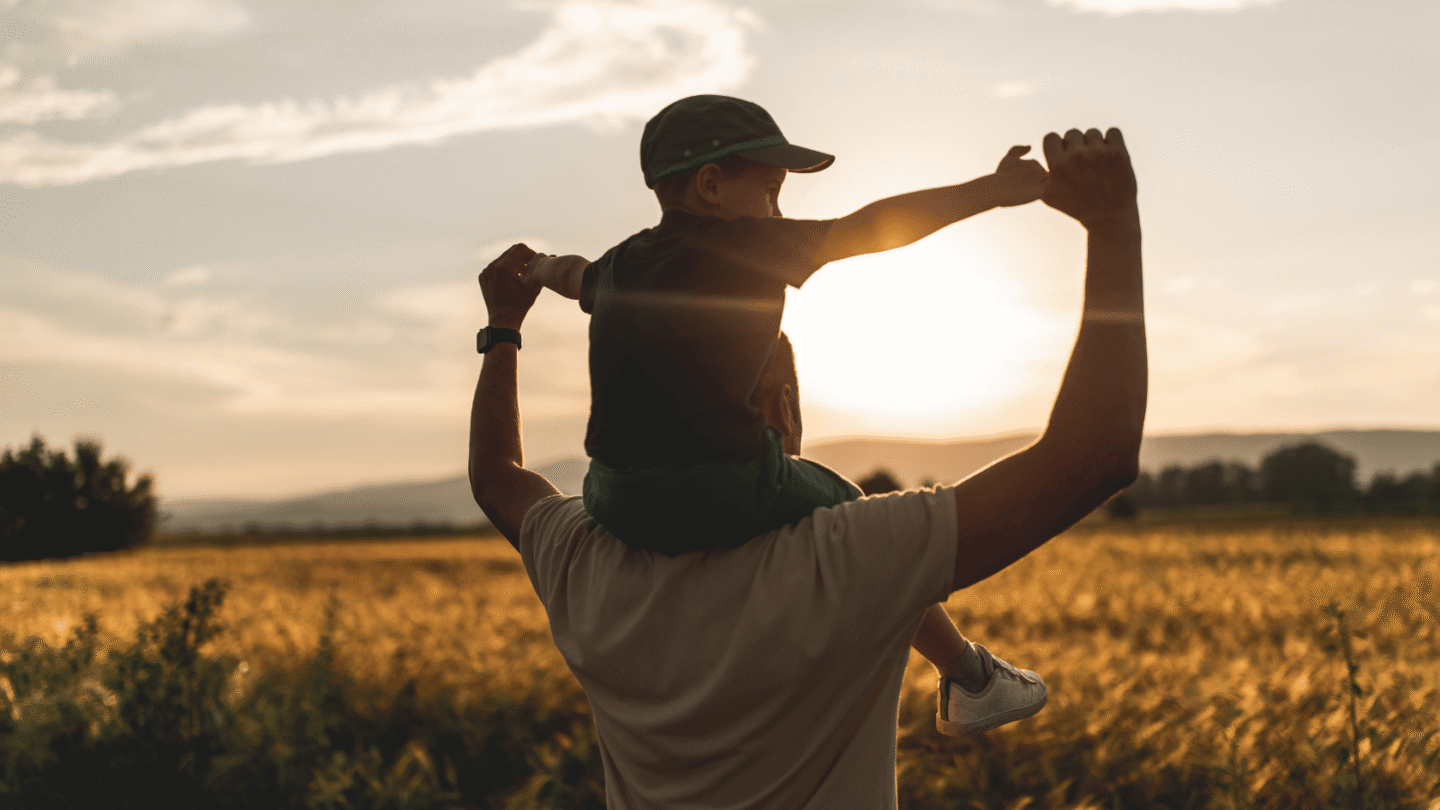
When should you get a GPS watch for your child? It's a question many parents ask, but the truth is that there isn't one simple answer.
It’s not really about a specific age – it’s about the child. Every child develops at their own pace and becomes independent at different times. Some children are ready to walk to school on their own at an early age, while others need a little more time.
The best thing you can do is look at your child's everyday life. How independent are they becoming? How often are they away from an adult? And do you feel you would like an easier way to stay in touch? If so, a GPS watch could be a great solution.
No, there isn't one age that is more suitable than another.
Instead, it comes down to your family's needs and your child's level of maturity. Consider questions such as:
If your child is starting to spend more time independently, but you don't feel they're ready for a smartphone yet, a GPS watch can be the perfect middle step. It allows you to stay connected without giving your child access to social media or other digital distractions.
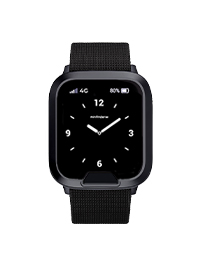
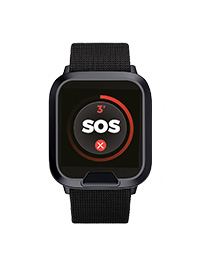
For many families, this is also the point when a GPS watch, such as the MiniFinder Kids GPS Watch, becomes a natural next step as the child gains more independence.
For many families, a GPS watch becomes relevant when a child starts kindergarten or primary school. It's often the beginning of a new stage where children become more independent and spend more time on their own.
Many children eventually start walking to and from school, either alone or with siblings and friends. For parents, it can be reassuring to know when their child has arrived safely or to check their route home if necessary.
At the same time, children gain a greater sense of freedom and independence.
As children grow older, their schedules often fill up with football practice, dance classes, horseback riding or other activities. They also spend more time at friends' houses or cycling around the neighbourhood.
A GPS watch can provide extra peace of mind for both parents and children while allowing children to enjoy their growing independence.
As we've already mentioned, two children of the same age can have very different levels of maturity. That's why age alone shouldn't determine whether a GPS watch is suitable. Instead, it's about whether your child is ready to take responsibility.
A mature child is usually better at looking after their belongings, remembering to charge the watch after coming home and understanding why it's important for it to stay charged. It also means being able to follow simple instructions, such as knowing when to use the SOS button and using the watch as intended.
Every child develops differently, so it's important to focus on your own child rather than comparing them with others of the same age.
It's also worth remembering that a GPS watch does not replace conversations, clear boundaries or parental responsibility. It should be seen as a tool that adds an extra layer of safety—not as a way to monitor your child.
The main purpose of a GPS watch is to make everyday life easier and safer for both children and parents.
With real-time GPS tracking, you can always see where your child is. There's no need to keep calling to ask where they are, and you can easily check whether they've arrived at school or are still at football practice.
Parents and children can easily call each other directly through the watch, making it simple to stay in touch whenever needed.
If your child ever needs help, they can quickly press the SOS button. An emergency alert is immediately sent to the selected emergency contacts.
You can create safe zones around places such as your home or your child's school. If your child leaves one of these areas, you'll receive an instant notification.
If the battery starts running low, both you and your child receive a notification, reducing the risk of the watch running out of power when it's needed most.
Many children also find comfort in knowing they can easily reach their parents if something unexpected happens. For children, a GPS watch isn't just reassuring for their parents—it also provides a sense of security and confidence.
The MiniFinder Kids Watch is designed for families who want to give their children greater independence without compromising safety. With real-time GPS tracking, two-way calling, an SOS button and Safe Zones, it's easy to stay connected as your child becomes more independent.
For many families, the answer is yes.
Today, many parents are looking for ways to improve their child's safety and stay connected. Often, the solution is buying a smartphone. However, smartphones come with much more than just the ability to make calls. Social media, games, apps and messaging platforms are not always something parents want younger children to access too early.
A GPS watch offers a better alternative. It allows children to become more independent while still making it easy to stay in touch. For most parents, that's really the main goal—to communicate with their child and feel reassured whenever they're away from an adult.
A GPS watch includes only the essential features, such as GPS tracking, calling and an SOS button. This helps children avoid unnecessary distractions and focus on what really matters.
There is no perfect age for a GPS watch.
The most important factor is whether your child is mature enough to use it responsibly and whether it suits your family's lifestyle and needs. For many families, a GPS watch becomes a natural next step when a child starts school, gains more independence or begins spending more time on their own.
This allows children to enjoy greater freedom while giving parents extra peace of mind.


Visit our contact page.