

My cart


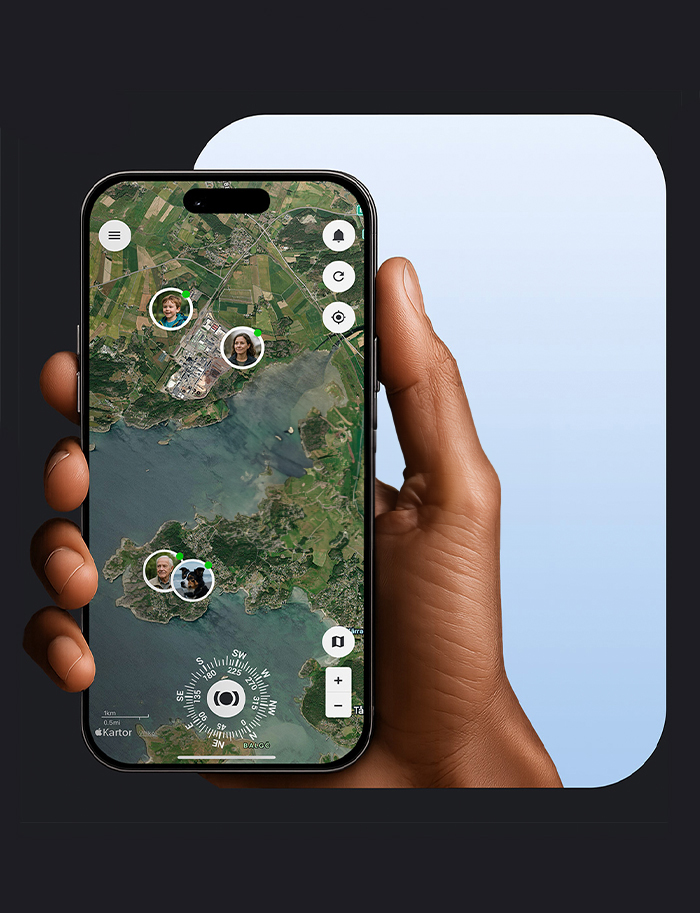
MiniFinder’s proprietary systems use smart technology and real-time features to enhance safety, security, and control in everyday life.
Our Categories
Selected Products
MiniFinder’s proprietary systems use smart technology and real-time features to enhance safety, security, and control in everyday life.
Our Categories
Selected Products
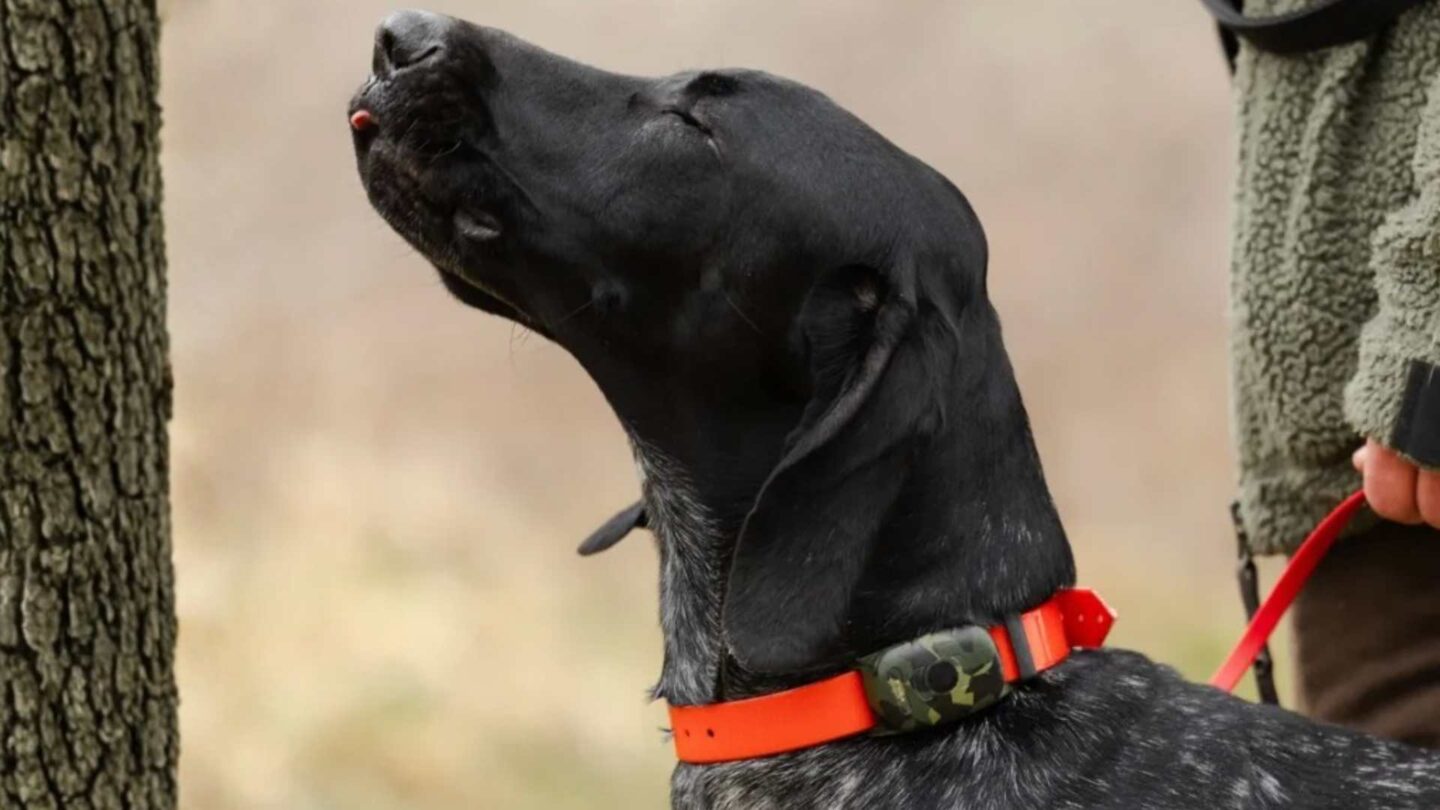
The question comes up every hunting season, and for good reason. The rules regarding off-leash dogs during hunting are more nuanced than many people realize. Here, we explain what applies, which exceptions exist and what you need to know before heading into the field.
According to the Swedish Act on the Supervision of Dogs and Cats, dogs must be kept under such supervision between March 1 and August 20 that they are prevented from running loose in areas where wildlife is present. During the rest of the year, dogs must be supervised to prevent them from chasing or disturbing wildlife when they are not being used for hunting.
The purpose is to protect wildlife during the breeding season, when many species are pregnant or caring for newborn young that are particularly sensitive to disturbance.
It is important to note that the concept of a mandatory leash is not specifically stated in the legislation. Only exceptionally well-trained dogs can be considered to be under sufficient control to be off leash during this period. In practice, if the dog is off leash, it should remain only a few metres from its handler. The owner must maintain the same level of control as if the dog were attached to an invisible leash.
Hunting is one of the most important exceptions to the supervision requirement. You may allow your dog to be off leash during lawful hunting activities or hunting training during the periods specified in Section 16 of the Swedish Hunting Ordinance. The dog may only pursue the game species permitted for the specific hunt.
Exceptions also apply when tracking or retrieving injured or harvested game, provided the dog remains under the handler’s control. Herding livestock is also exempt from these restrictions.
The permitted periods vary depending on the game species being hunted. Dogs that pursue game may be used for wild boar hunting from August 1 to January 31. Hunting red fox with dogs is permitted from August 21 to March 15.
For bird dogs, the permitted period is August 16 to April 15 in southern Sweden. In the counties of Värmland, Dalarna, Gävleborg, Västernorrland, Jämtland, Västerbotten and Norrbotten, bird dogs may be used until April 30.
Hunting hares with driving dogs is generally permitted from August 21, although local variations may occur. Roe deer and deer hunting with pursuing dogs have separate restrictions. A dog that chases deer or roe deer during hunting or hunting training between August 21 and September 30 must be leashed as soon as possible.
In addition to national regulations, County Administrative Boards may issue local rules for specific regions. These may include temporary restrictions during severe winter conditions or other circumstances that make wildlife particularly vulnerable.
It is always the responsibility of the hunter to check what regulations apply in the area where the hunt will take place.
If a dog is running loose in an area containing wildlife during the supervision period, the holder of the hunting rights or their representative may take custody of the dog.
In addition, dog owners may face fines and liability for damages if the dog causes harm to wildlife or property.
Regardless of the season or game species, it is your responsibility to know where your dog is and ensure that it does not pursue prohibited wildlife.
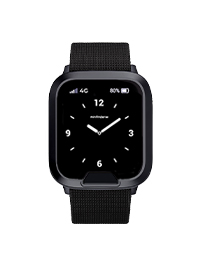
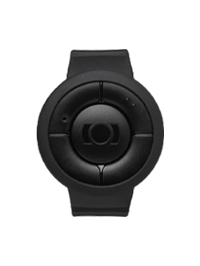
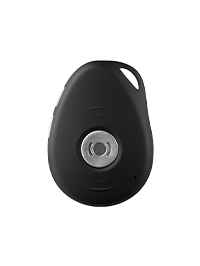
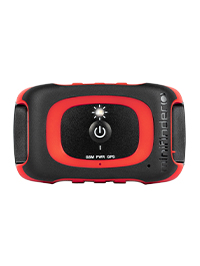
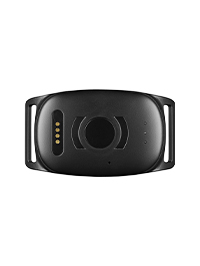
A GPS dog tracker is a practical tool for monitoring your dog's location in real time, especially in dense forests or rugged terrain where dogs can quickly disappear from sight. You can find our GPS dog tracking devices for hunting dogs here.
Always check the current hunting seasons and regulations with the Swedish Environmental Protection Agency or the Swedish Association for Hunting and Wildlife Management before each season, as regulations may be updated.


Visit our contact page.