


My cart

MiniFinder’s proprietary systems use smart technology and real-time features to enhance safety, security, and control in everyday life.
Our Categories
Selected Products
MiniFinder’s proprietary systems use smart technology and real-time features to enhance safety, security, and control in everyday life.
Our Categories
Selected Products

Digitalization has become a natural part of modern elderly care and disability services. Solutions such as mobile personal alarms, safety watches, fall detection and mobile GPS create new opportunities to strengthen both safety and independence. At the same time, it is a strategic process to implement digital systems in care services. Without clear planning, technology risks creating uncertainty instead of efficiency. With the right preparation, however, it can become a central part of the organisation’s quality management.
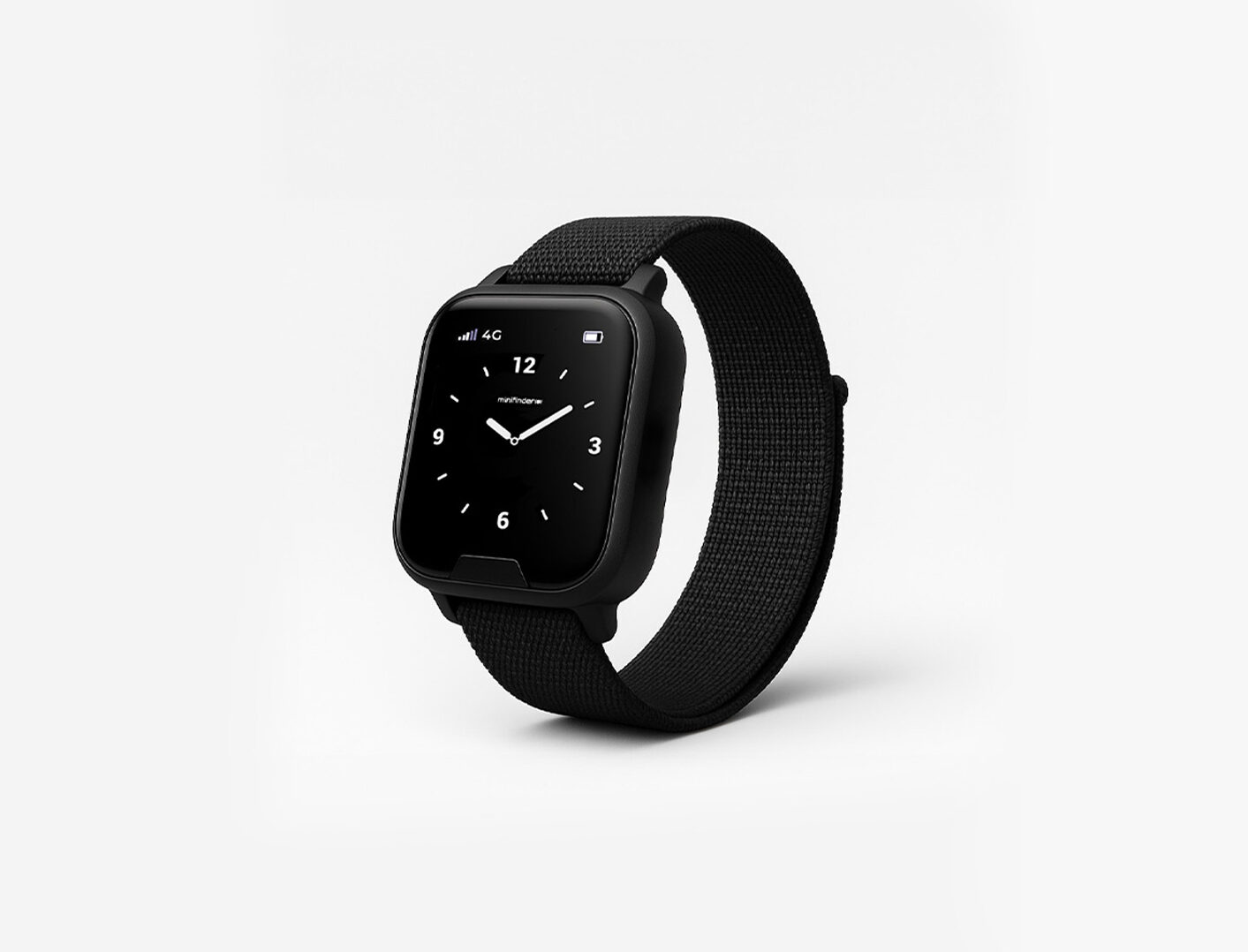
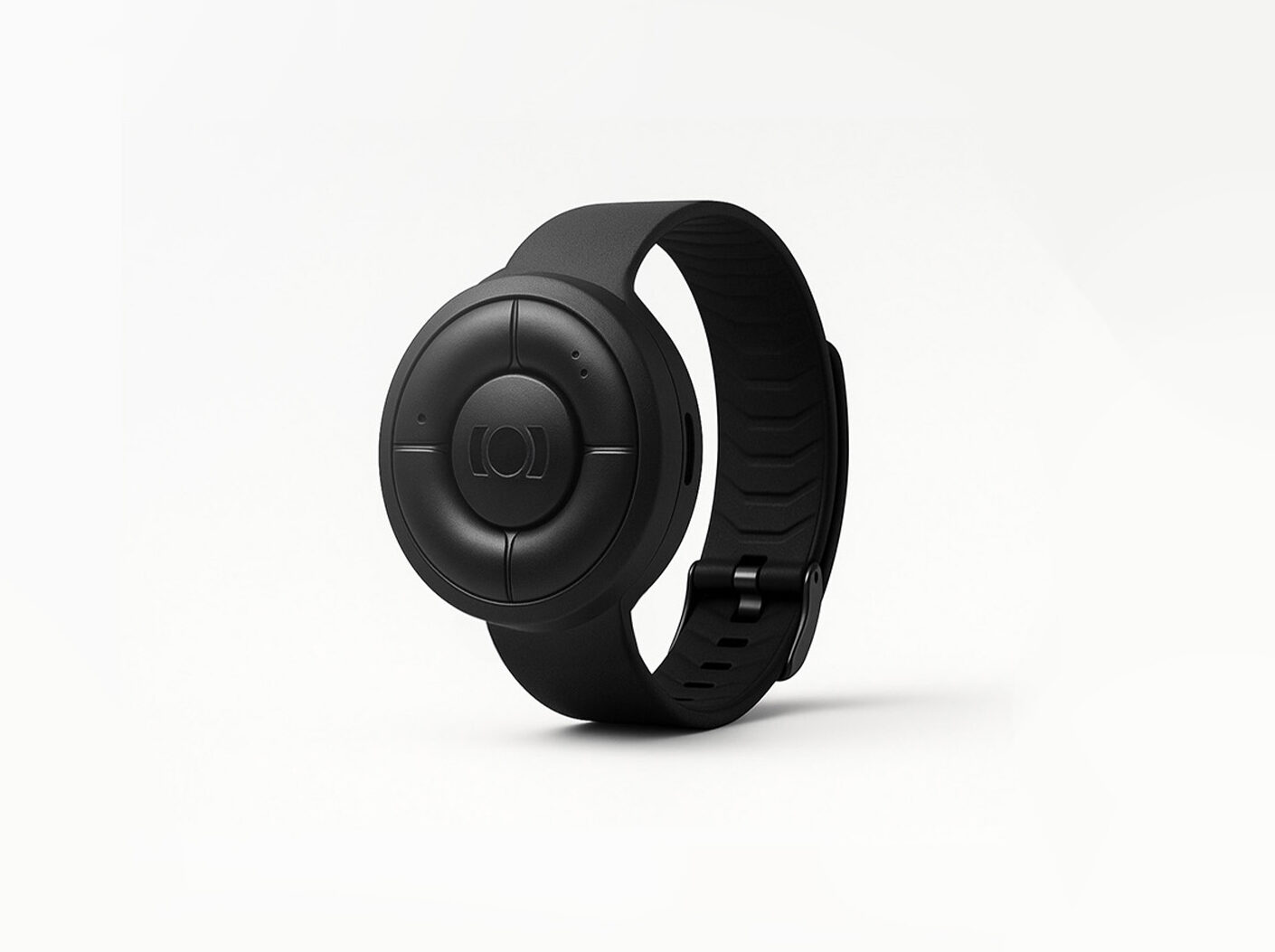
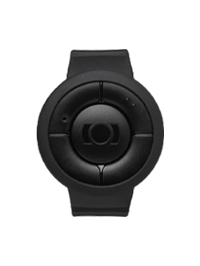
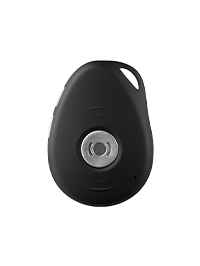
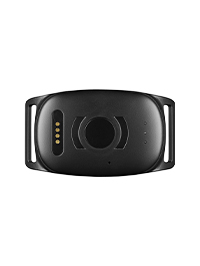
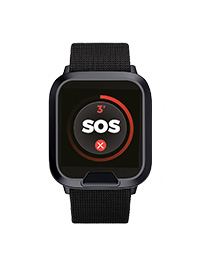
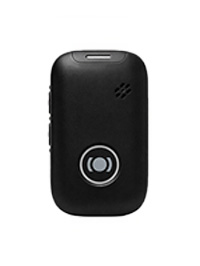
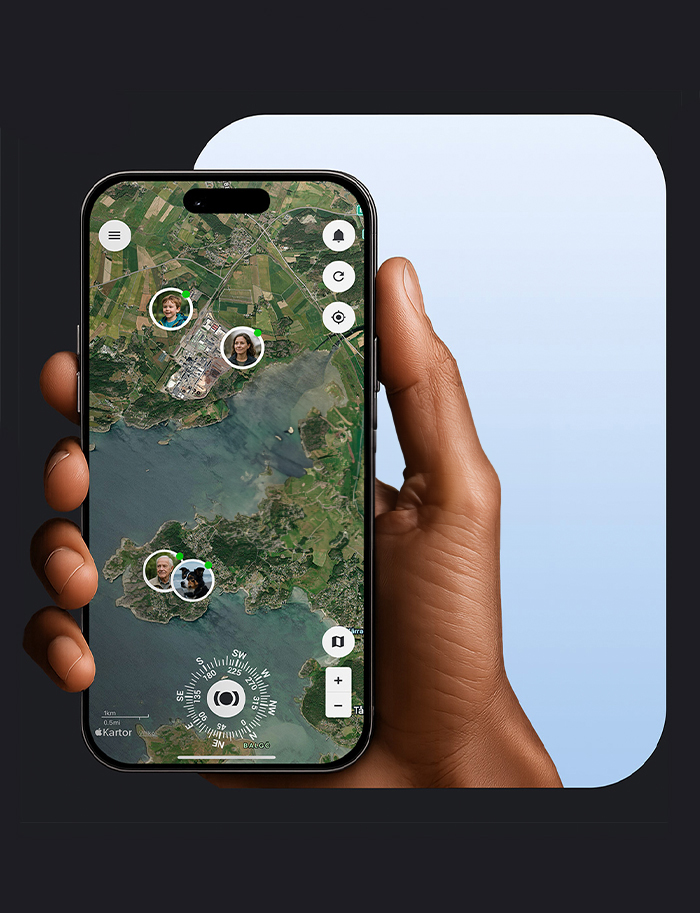
Digital support tools in care services are technology-based solutions that enhance safety, security and independence for both care recipients and caregivers. Examples include mobile personal alarms with fall detection, safety watches with panic button and two way communication, as well as mobile GPS with geofence that trigger alerts when predefined safety zones are crossed.
These solutions enable rapid contact, structured alarm management with alarm acknowledgement and shared access for staff and relatives via secure platforms. When properly implemented, they contribute to increased safety, more efficient workflows and better conditions for independent living.
The first step is to clearly define the purpose, goals and expected outcomes. An organisation may aim to reduce complications from fall-related incidents through automatic fall detection, strengthen independence through a mobile personal alarm, or improve internal alarm workflows through structured alarm acknowledgement and multi user access. Regardless of focus, objectives must be measurable and aligned with the organisation’s mission.
A thorough needs assessment should include risk analysis, mapping of current workflows and dialogue with both staff and care recipients. When the current situation and desired future state are clearly defined, it becomes easier to implement digital systems in care services that solve the right challenges and create real operational value.
Once the decision has been made, implementation determines the outcome. Technology alone does not create safety. Knowledge, clear routines and defined responsibilities are what make the difference.
To ensure sustainable use, the organisation should secure:
When staff feel confident in how a mobile personal alarm or safety watch works in practice, both efficiency and quality improve. Digital support tools should be integrated into existing workflows and perceived as a support in daily operations, not as a parallel system.
When choosing to implement digital systems in care services, participation and acceptance are critical to long term success. Digital support tools influence both the individual’s daily life and the organisation’s responsibilities. To build trust, the entire safety chain must be implemented and communicated clearly from the outset.
Installing the technology is not enough. Routines, roles and alarm workflows must be anchored among staff, care recipients and relatives. When features such as two way communication, fall detection and alarm acknowledgement are clearly integrated into working practices, the risk of misuse and uncertainty decreases. High acceptance leads to higher usage rates, better compliance with routines and more stable quality in care delivery.
For digital support tools to provide real and lasting relief, continuous follow up and measurable outcomes are essential. Implementation is not complete once the system is operational. The organisation should systematically monitor response times to alarms, how alarm acknowledgement functions in practice, perceived safety among care recipients and how workflows have been streamlined.
Through regular evaluation, routines can be adjusted, training reinforced and processes optimised. When implementation, communication and follow up work together, a sustainable structure is created where organisations not only implement digital systems in care services, but also ensure that solutions such as mobile personal alarms and safety watches continue to strengthen quality, safety and independence over time.
Here you will find mobile personal alarms, safety watches and other digital support tools tailored to the needs of care services. Learn more about features and how the solutions can be implemented in your organisation.


Visit our contact page.