




My cart



MiniFinder’s proprietary systems use smart technology and real-time features to enhance safety, security, and control in everyday life.
Our Categories
Selected Products
MiniFinder’s proprietary systems use smart technology and real-time features to enhance safety, security, and control in everyday life.
Our Categories
Selected Products
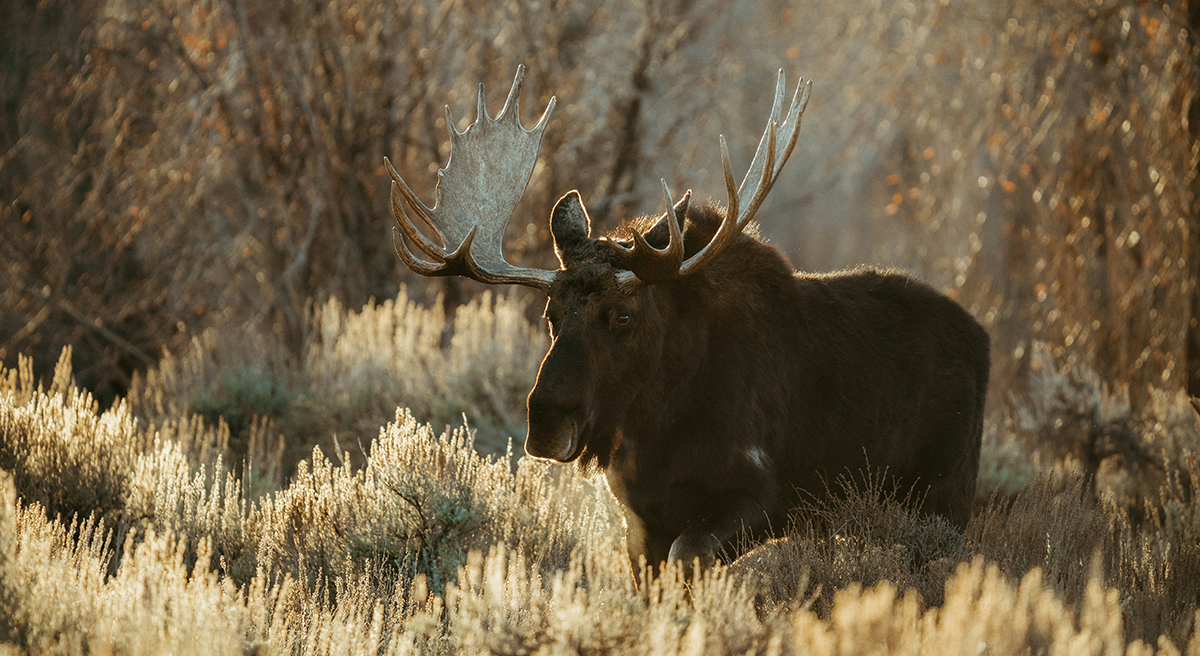
Ahead of the 2026 moose hunting season, it’s important to understand both practical preparations and current regulations to ensure the hunt is safe, legal, and successful.
Hunting seasons vary depending on where you are in the country. In large parts of northern Sweden, moose hunting starts as early as September 1 and runs until January 31. In southern Sweden, the season begins slightly later, on October 8, but continues until the same end date in late January.
In addition to these dates, there are clear rules regarding the time of day. Hunting is allowed from one hour before sunrise to one hour after sunset. During the final hour after sunset, however, hunting methods are restricted, only stalking and stand hunting are permitted. More active forms of hunting, such as driven hunts with dogs, are not allowed during this time.
The number of moose that may be harvested is decided by the County Administrative Board and is based on comprehensive moose management plans. Hunting takes place within designated areas, such as moose management areas and license areas, where harvest levels are adapted to the size of the moose population and its impact on forestry and agriculture. The goal is often to maintain a stable population or, in some cases, reduce it. A key part of this strategy is harvesting a relatively large proportion of calves, which helps create a more balanced and sustainable population over time.
At present, no major regulatory changes have been decided for the 2026 moose hunt. However, a possible extension of the hunting season into February is being discussed. While nothing has been finalized, it’s wise to stay updated through relevant authorities to avoid missing any changes.
Moose hunting is not just a form of hunting, it is part of a broader wildlife management system. Hunting is only allowed in areas with approved management plans, and moose are protected outside the designated hunting periods. Exceptions may be made if moose cause serious damage to agriculture or forestry.
After the hunt, hunters have clear responsibilities: all harvested moose must be reported to the County Administrative Board within a specified timeframe, and a harvest fee must be paid. This reporting is crucial, as it forms the basis for future population management decisions.
Preparations are often extensive and take place both within the hunting team and individually. Within the team, this includes building or checking hunting towers, clearing shooting lanes, and preparing facilities for processing game. Logistics, firewood supplies, and shared routines must also be planned, while the hunt leader is typically responsible for updating maps and contact lists.
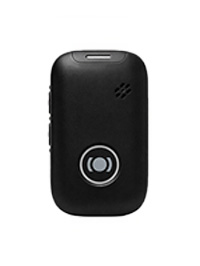
For the individual hunter, preparation is just as important. Shooting practice should be done well in advance, and the firearm must be checked to ensure it is properly zeroed with the correct ammunition. Equipment should be complete and well thought out, from licenses and knives to communication tools such as hunting radios. For those who hunt with dogs, a GPS tracking device is also essential. With tools like the MiniFinder Rex dog tracker, you can monitor your dog’s position in real time and respond quickly if needed, improving both safety and efficiency during long days in the forest. Preparation ultimately creates safety, control, and good conditions for the entire hunting team.
Moose hunting in 2026 is expected to follow much the same structure as previous years, but it still places high demands on knowledge and responsibility. By keeping track of hunting periods, quotas, and regulations, and ensuring that both equipment and teamwork function well you lay the foundation for a successful hunting season.
Good hunting!