


My cart


MiniFinder’s proprietary systems use smart technology and real-time features to enhance safety, security, and control in everyday life.
Our Categories
Selected Products
MiniFinder’s proprietary systems use smart technology and real-time features to enhance safety, security, and control in everyday life.
Our Categories
Selected Products

Safety alarms have long been an important solution for seniors who want to feel safe in their daily lives. With a safety alarm, the user can quickly call for help in an emergency by pressing an alarm button.
Today, there are several different types of safety alarms for seniors. Many people are familiar with traditional safety alarms used at home through municipal services, but more and more people are choosing a mobile safety alarm instead. The key difference is that safety is no longer limited to the home.
In this guide, we explain how safety alarms work, what distinguishes traditional solutions from modern mobile safety alarms, and what you should consider when comparing different options.
A safety alarm is a device that makes it possible to quickly get help in an emergency. When the user presses the alarm button, an alert is sent to relatives, care staff, or an alarm monitoring center.
Many safety alarms also include a speaker and microphone so the user can communicate directly with the person receiving the alarm. This allows the situation to be assessed quickly and help to be sent to the right location. Safety alarms are often used by seniors who want to feel safe in everyday life, but also by people with medical conditions or other needs for additional safety.
When comparing safety alarms for seniors, there are several important factors to consider. It is not only about the alarm itself but also about how easy it is to use in everyday life.
For example, it may be helpful to consider:
Traditional safety alarms are often connected to a base unit installed in the home and communicate through the home’s network connection. When the alarm button is pressed, the signal is sent via the base unit to home care services or an alarm monitoring center.
This solution works well for people who mainly stay at home. At the same time, there are certain limitations that lead many people to choose mobile solutions instead. For many seniors who want to go for walks, run errands, or visit friends, it can feel more reassuring to have an alarm that also works outside the home.
Disadvantages of traditional safety alarms
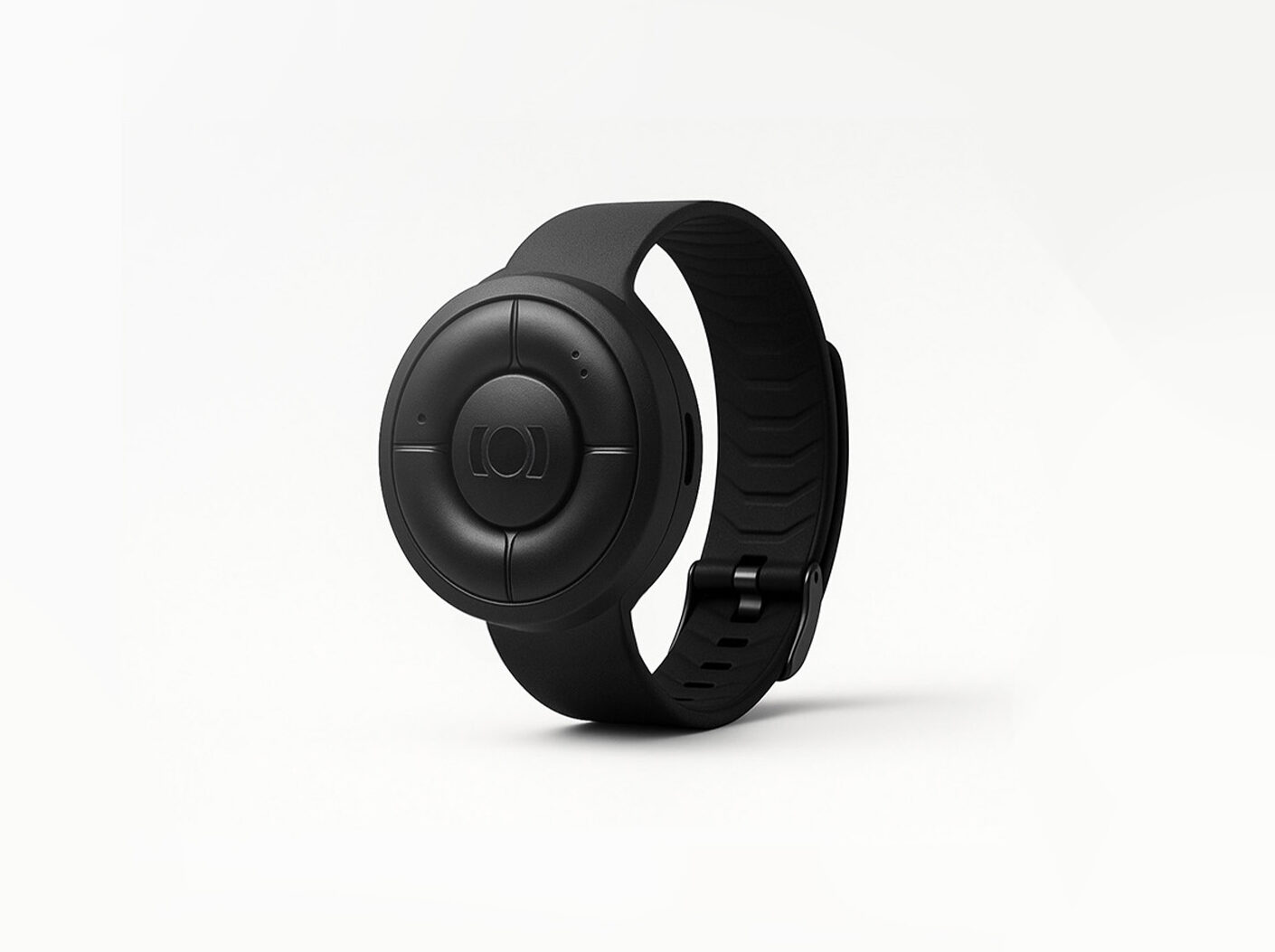
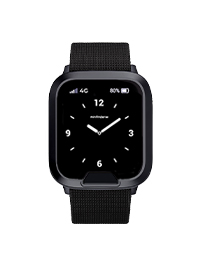
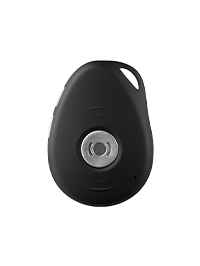
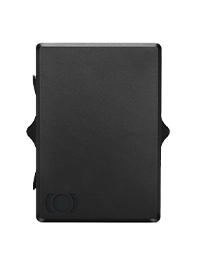
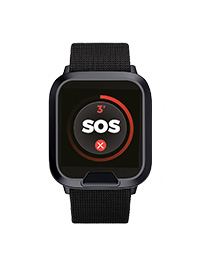
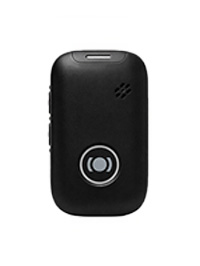
A mobile safety alarm works through the mobile network and can therefore be used anywhere with mobile coverage. Unlike traditional solutions, safety is not limited to the home. A mobile safety alarm can be worn as a safety watch or as a small portable device, allowing the user to feel safe both at home and outdoors.
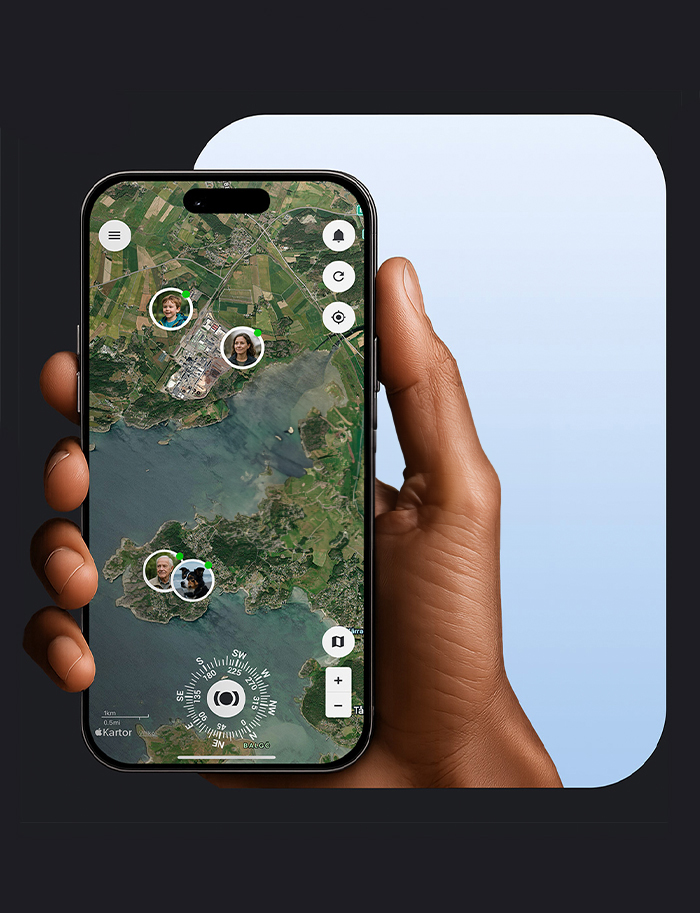
MiniFinder offers mobile safety alarms with GPS that are designed to be easy to use while providing a high level of safety in everyday life. Thanks to GPS positioning and mobile connectivity, the user can quickly contact relatives or an alarm monitoring center when help is needed. A safety alarm with GPS also makes it possible to share the user’s current location during an alarm, which can be crucial for getting help quickly.
Mobile safety alarms offer several advantages compared to traditional solutions. They work both at home and outdoors with virtually unlimited range as long as mobile coverage is available. Alarms can be triggered easily via an alarm button or automatically in the event of a fall, and when an alarm is activated, the user’s location can be shared in real time with relatives or other emergency contacts. Mobile safety alarms can also be connected directly to relatives or an alarm monitoring center, meaning they can be used without municipal home care services.
MiniFinder offers mobile safety alarms designed to be easy to use in everyday life while providing a high level of safety for both users and relatives. These solutions are developed for people who want to continue living an active life without feeling limited to their homes.
Unlike many traditional safety alarms, MiniFinder solutions can be used without municipal assistance or home care services. This allows private individuals to quickly get started with a safety alarm and choose how alerts should be handled, for example through relatives or via connection to an alarm monitoring center.
Features of MiniFinder mobile safety alarms


Visit our contact page.