

My cart


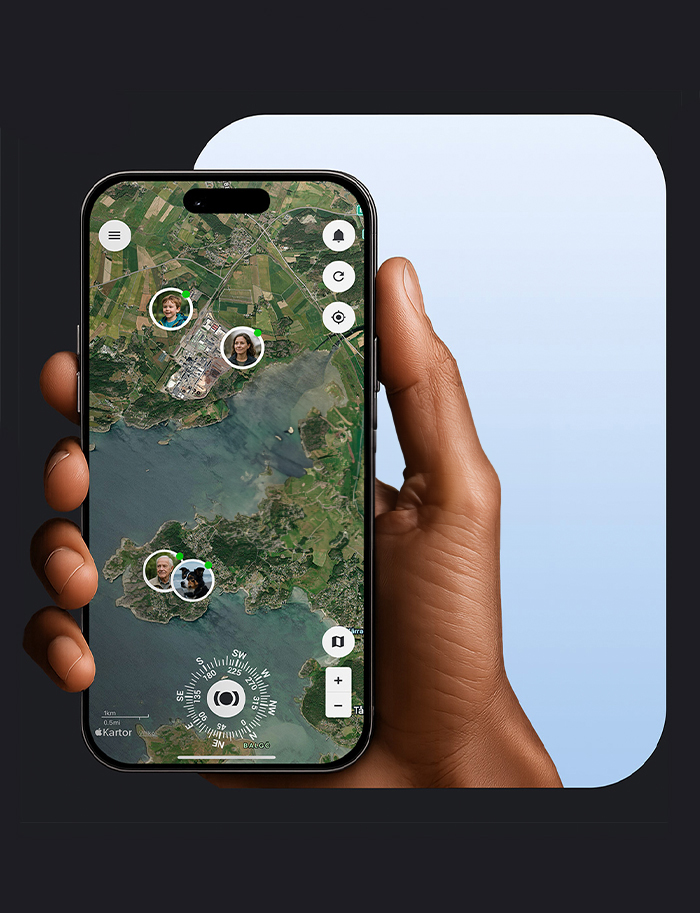
MiniFinder’s proprietary systems use smart technology and real-time features to enhance safety, security, and control in everyday life.
Our Categories
Selected Products
MiniFinder’s proprietary systems use smart technology and real-time features to enhance safety, security, and control in everyday life.
Our Categories
Selected Products
Dog searches are done to find injured game in order to quickly end the animal's suffering in an ethical way. In Sweden, there is a law requiring hunters to avoid injury and suffering to game animals when hunting. With the help of a search dog, it is possible to effectively track and locate injured game.
Search is the process to quickly and effectively end the suffering of game that has been injured in connection with, for example, hunting or in a vehicle collision. A search hunter, together with a trained search dog, tracks the weathering of the injured animal. The dog stands or brings down the game so that the hunter can get a shot that puts an end to the animal's suffering. Search is an important part of hunting ethics and game management, which ensures that hunting is conducted sustainably and responsibly.
It is the Hunting Act Sections 27-28 (JL) and the Hunting Ordinance Section 17 (JF) that regulate searches for game in Sweden.
When the game enters another hunting area, the hunter must ensure that the holder of the hunting rights there or the land owner is notified as soon as possible. If the hunting right holder or landowner can only be reached with difficulty, the Police Authority may be notified instead.
Investigation of the shooting scene is the first step in the search. Here, the hunter systematically analyzes the location where the shot was fired and the initial hit area to gather information about the impact of the shot and the potential direction of the animal after the hit. Important indicators to look for, which can provide clues about the animal's condition and where it may have gone, include:
A search must always be initiated if any of these are found at the scene of the shooting, as this indicates that the animal has been hit, but got away. A quick examination increases the chances of ending the animal's suffering as soon as possible.
The task of a search dog is to track down the injured game and position it so that the hunter can get a shot that kills the animal. In the case of injured small game, the dog can sometimes be the one to end the suffering himself. A search dog is a tracking dog that is specially trained to follow the scent of injured game.
This is what the law says about searches with dogs:
There is no dog breed that is considered particularly suitable for all types of dog searches. However, it is possible to train a search dog to specialize in a certain type of game, such as birds, ungulates or small game. Here are some suitable dog breeds for different types of searches.
Injured animals can sometimes move long distances or hide in dense vegetation. Therefore, do not end the search prematurely without carefully following all clues, even those that may initially seem insignificant. In some cases, it may be necessary to return to the shooting site several times to gather additional information or wait until conditions improve, such as in bad weather or when tracks are difficult to follow.
Start training your dog as a puppy. Hunting and searching with a dog is of course based on the dog's ability to follow tracks and understand its task, but it is also based on a deep relationship between dog and hunter, based on trust and cooperation. Here are some basic steps and tips to effectively train your search dog:
1. Basic obedience and tracking
Commands such as "sit", "lay", "stay", and "come" are essential to handling the dog in the field. Therefore, start by training basic obedience. In parallel, you can start with short and simple tracks in an environment with few distractions. Be sure to use a reward that the dog is particularly fond of, such as a toy or food, to motivate it to follow the trail.
2. Increase the level of difficulty and introduce game tracks
Gradually increase the length of the tracks and introduce different surfaces and terrain types. It is also important to train in different weather conditions for the dog to become adaptable. Once your dog has become confident in following human tracks, you can start introducing him to game tracks. This may involve using blood traces or parts of game to teach the dog to identify and follow tracks of injured animals.
It may sound obvious, but it is important to train the dog to look for injured game, and not healthy game.
3. Simulate real hunting
Use simulations of real hunting and search situations to prepare your dog for the challenges it will face. This can include working with gunshot sounds, different types of game and complex trail situations. Searches can be long and demanding, so be sure to also train the dog's endurance and ability to maintain concentration over time.
4. Patience, consistency and positive reinforcement
Be patient and consistent in your training, and adjust methods according to the dog's individual needs and temperament. Always use positive reinforcement to reward desired behavior. This encourages the dog to repeat the behavior and builds a positive association with the training.
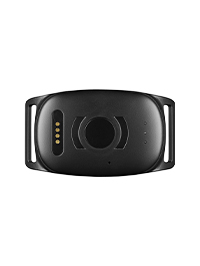
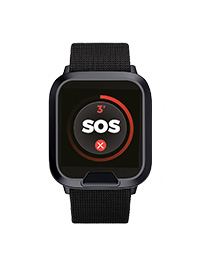
With the right equipment, you can streamline the search and ensure both your and the dog's safety in the meantime.