



My cart


MiniFinder’s proprietary systems use smart technology and real-time features to enhance safety, security, and control in everyday life.
Our Categories
Selected Products
MiniFinder’s proprietary systems use smart technology and real-time features to enhance safety, security, and control in everyday life.
Our Categories
Selected Products

Lone working is common across many industries, even if it is not always recognized as such. It may involve home care staff conducting visits, property managers working in empty buildings, field technicians, or retail employees opening and closing stores alone. In these situations, there is no colleague nearby who can quickly intervene if something happens. That is precisely why the issue of panic alarms for lone workers is central, both from a safety perspective and from a legal standpoint.
But what do the regulations actually say?
The Swedish Work Environment Authority defines lone working as work carried out in physical or social isolation. This means that the person working does not have direct access to assistance if an accident occurs or if a situation becomes threatening.
According to the Authority’s description, lone working may involve:
It is therefore not only distance that matters, but the actual ability to receive support when it is truly needed. It is the employer’s responsibility to investigate whether the work involves risks of ill health or accidents. If risks exist, they must be managed within the framework of systematic work environment management.
The regulations on lone working and systematic work environment management are clear when it comes to responsibility. The employer always holds the primary responsibility.
This means the employer must:
A key element of the regulations is the requirement that help must be able to be summoned quickly. It is not enough to simply note that staff have a mobile phone. The employer must ensure that there are functioning procedures and solutions in place so that assistance can reach the worker in time.
If the risks are assessed as serious, lone working may in some cases need to be reorganized or avoided entirely. In other situations, technical solutions may be a reasonable and effective measure.
When discussing panic alarms, many people immediately think of threatening situations. However, the risks of lone working extend beyond that. A fall down a staircase, a sudden cardiac incident, or an accident in a technical environment can have far more serious consequences if no one notices what has happened.
What makes lone working particularly vulnerable is the time factor. The longer it takes for someone to become aware of the situation, the greater the potential consequences. That is why the ability to raise an alarm quickly is crucial.
The regulations do not specify exactly which technology must be used, but they clearly state that help must be able to be summoned quickly. A personal alarm therefore becomes a concrete way to meet this requirement.
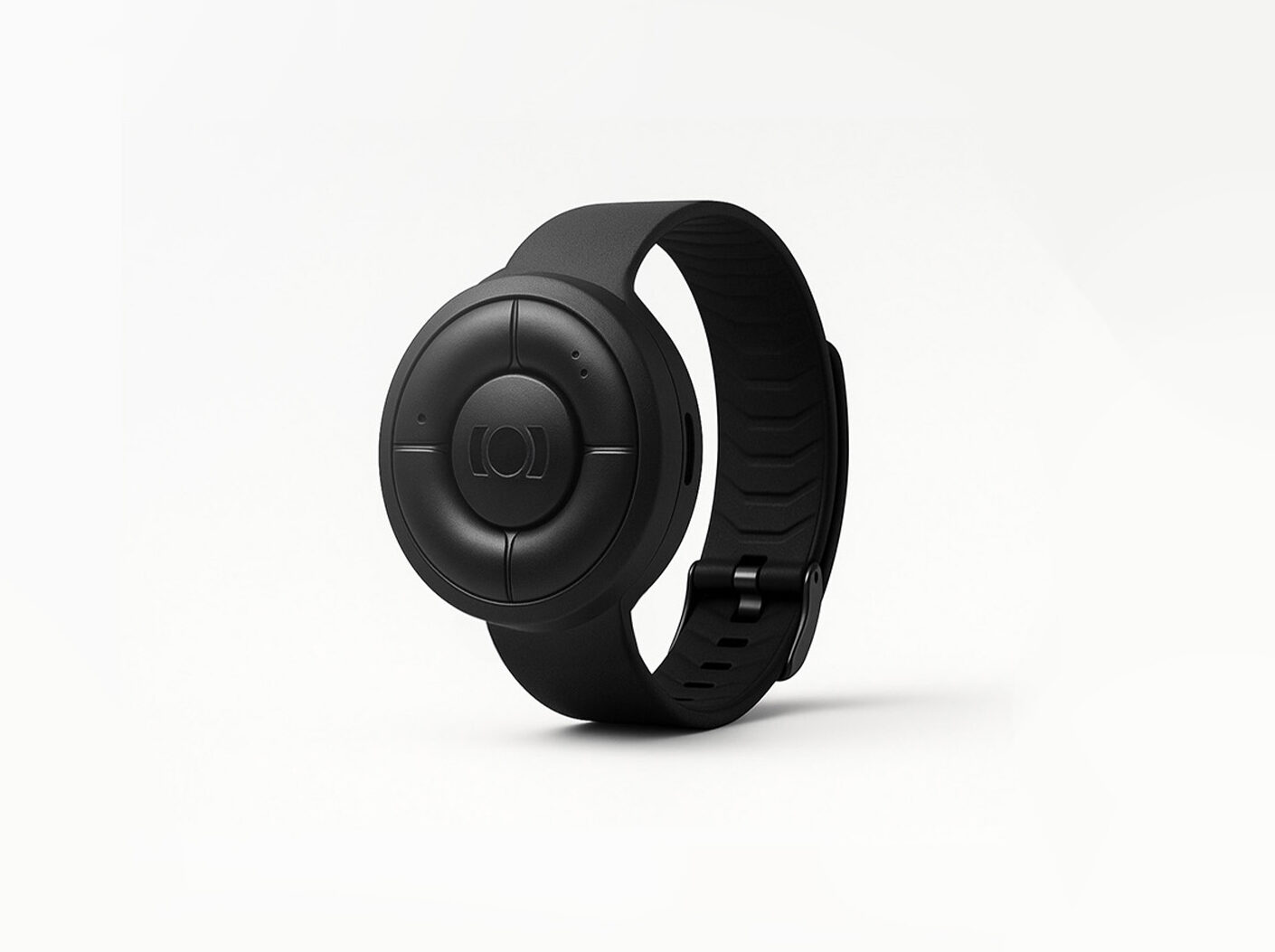
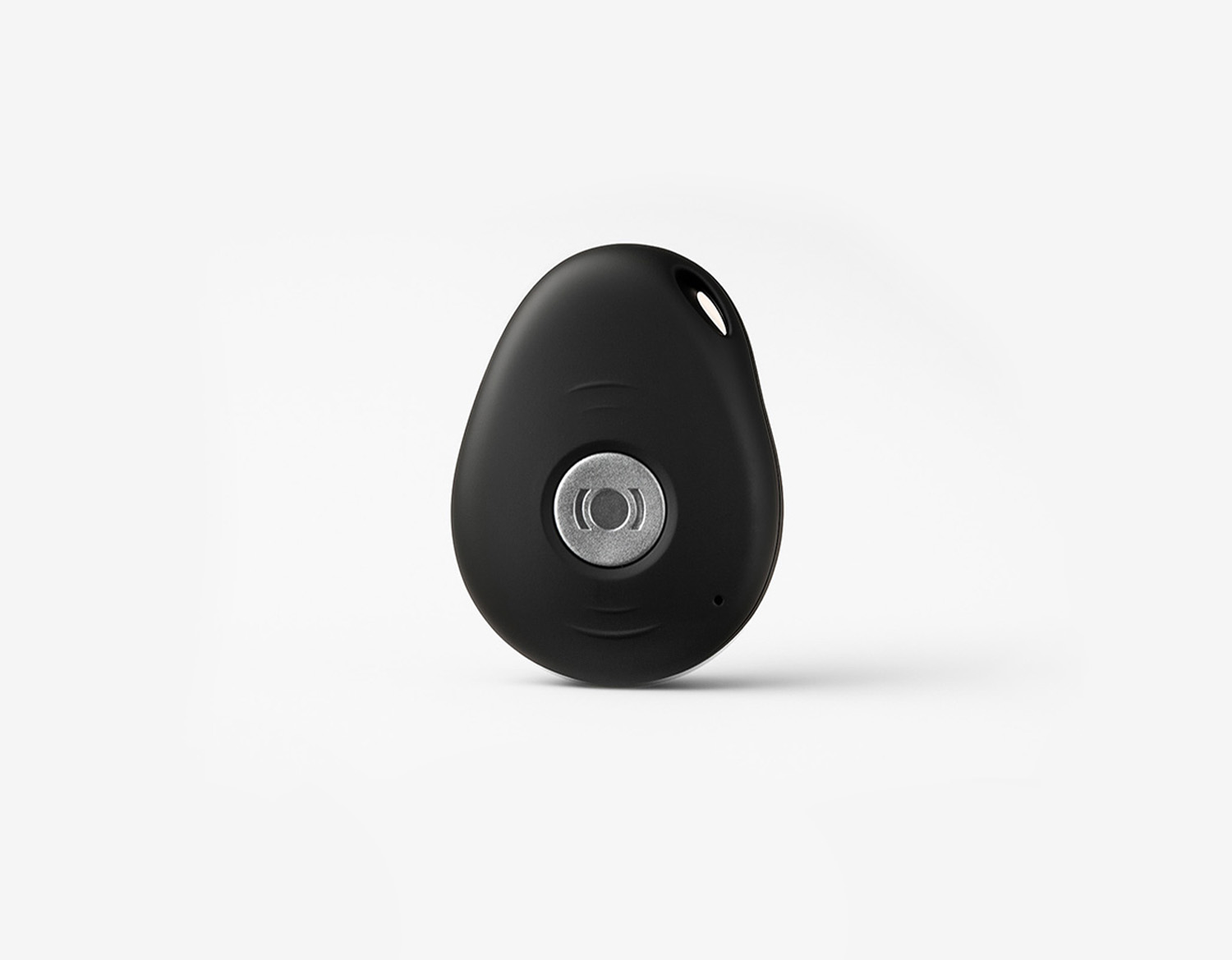
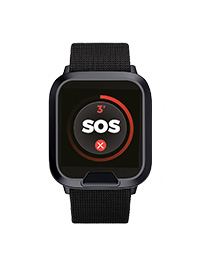
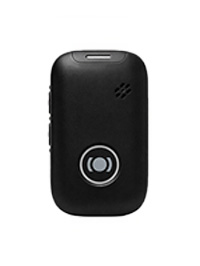
With a panic alarm, the employee can easily and discreetly signal that something is wrong. In many cases, there are also features that automatically react to falls or inactivity. This means an alarm can be triggered even if the person is unable to press a button.
Beyond its direct safety function, a personal alarm also has a psychological effect. Knowing that you are not entirely alone, even when working by yourself, reduces stress and increases confidence. For the employer, it also demonstrates that risks are taken seriously.
When discussing panic alarms lone working regulations, it ultimately comes down to responsibility and preventive action. The employer must be able to demonstrate that risks have been identified, assessed, and addressed. A personal alarm does not replace a risk assessment, but it can be an important part of the overall safety strategy.
What matters most is that the alarm is not simply handed out, but integrated into the organization with clear procedures for how alarms are received and managed. Only then are both the legal requirements and the intention behind them fulfilled.
Working alone should not mean being unprotected. With proper risk assessments, clear procedures, and a personal alarm solution, employers can create a safer working environment and meet the requirements set by the Swedish Work Environment Authority.


Visit our contact page.