
My cart


MiniFinder’s proprietary systems use smart technology and real-time features to enhance safety, security, and control in everyday life.
MiniFinder’s proprietary systems use smart technology and real-time features to enhance safety, security, and control in everyday life.

Search and recovery is one of the most important responsibilities in hunting and involves tracking and dispatching injured game as quickly and humanely as possible. These situations most often occur after a traffic accident or when a shot does not result in an immediate kill. In such cases, it is crucial that the dog team can locate the animal quickly and end its suffering.
Search and recovery often takes place under difficult conditions. The terrain may be dense, visibility limited, and the animal may travel long distances before stopping. For the handler, it is essential to work methodically while maintaining control of both the dog’s movements and the surrounding environment. This is where technology has become an important support in the field.
During a search and recovery operation, the dog may need to work independently over large areas. The trail may lead through forest, across roads, or through rough terrain where it is difficult to keep visual contact with the team. In some cases, the dog moves faster than the handler can follow, causing the distance to increase quickly.
Without technical support, it can be difficult to know exactly where the dog is, especially when working in darkness or in areas where sound is muffled by the landscape. At the same time, it is important that the handler does not interfere with the dog’s work by entering the area at the wrong moment.
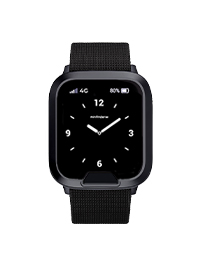
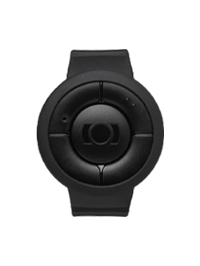
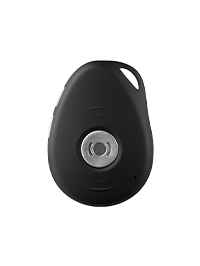
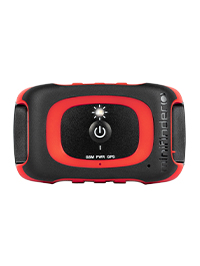
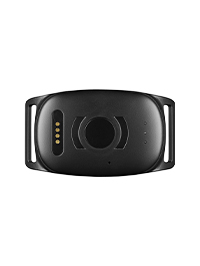
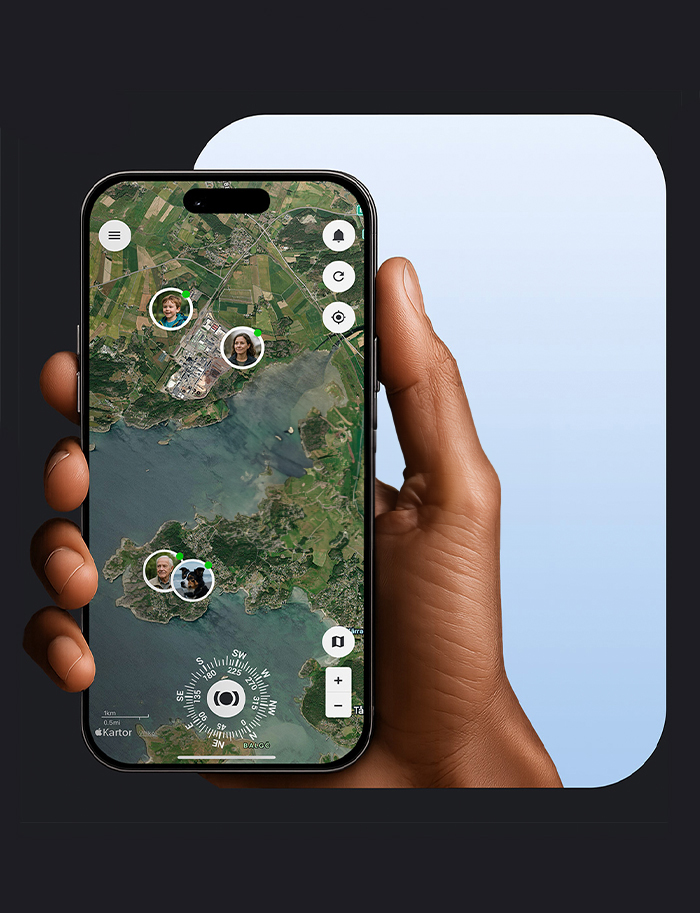
With modern dog tracking technology, the handler can follow the dog’s position in real time via mobile phone or receiver. This provides a clearer picture of how the tracking is progressing and makes it easier to plan movement through the terrain.
When the dog’s movement pattern changes, the handler can often see whether the dog is beginning to work more intensely in a specific area or continuing along the trail. This helps the team determine more quickly when they are approaching the animal and when the situation requires extra caution.
In search and recovery cases after traffic accidents, this is especially important, as the operation often takes place near roads or populated areas where the safety of both people and animals must be considered.
Search operations often occur in high stress situations where several people may be involved. In these cases, it is essential to quickly gain control of the situation and ensure that no one enters the wrong area.
By being able to monitor the dog’s work digitally, the handler gains better situational awareness while reducing the risk of the dog ending up in dangerous situations, such as near roads or in areas where wounded game may become cornered and react unpredictably.
Technology cannot replace experience, the dog’s training, or the handler’s knowledge of tracking work. However, when used correctly, it provides valuable support that makes the operation both more efficient and safer. For many search and recovery teams, the ability to follow the dog’s movements in real time has become a natural tool that helps complete missions faster and with less risk.


Visit our contact page.