My cart


MiniFinder’s proprietary systems use smart technology and real-time features to enhance safety, security, and control in everyday life.
Our Categories
Selected Products
MiniFinder’s proprietary systems use smart technology and real-time features to enhance safety, security, and control in everyday life.
Our Categories
Selected Products
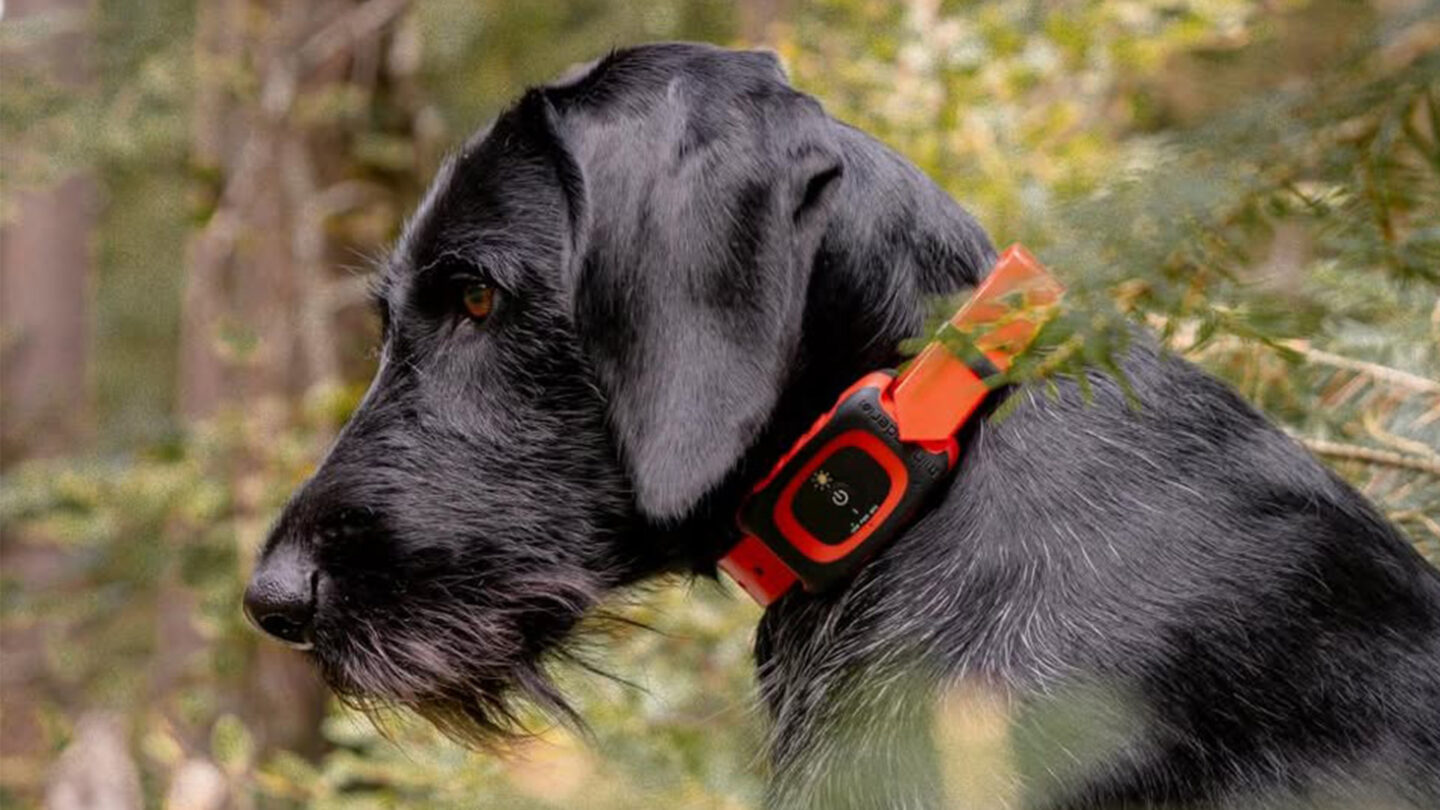
For many hunters, a dog tracker is one of the most important tools in the field. For many years, the traditional radio tracker was the obvious choice, but as technology has evolved, GPS dog trackers, often referred to as LTE trackers, have become an increasingly popular alternative. They offer new ways to monitor a dog's movements in real time and have changed how many hunters work in the field.
This also raises a common question among both new and experienced dog handlers: how does a GPS dog tracker actually work? Although both GPS trackers and traditional radio trackers share the same purpose of helping you locate your dog, they differ in technology, functionality, and practical applications. Which solution is best depends on the type of hunting you do, the terrain, and the features you need.
A traditional dog tracker uses radio signals between a transmitter attached to the dog's collar and a separate receiver carried by the hunter. By pointing the receiver and interpreting the signal strength, the hunter can determine the direction of the dog. This method requires some experience but has been a trusted way of locating hunting dogs for many years.
A GPS dog tracker works differently. It uses satellites to calculate the dog's position and then sends that information through the mobile network to an app on your smartphone. Instead of manually determining the dog's direction, you can see its exact location directly on a digital map. For many hunters, this provides a much clearer overview of how the dog is working and moving through the terrain.
The biggest difference between the two systems is how information is presented. A traditional radio tracker helps you determine the direction of your dog, while a GPS dog tracker displays the dog's exact location in real time. This makes it easier to follow the dog's work, understand its search pattern, and see how it moves throughout the hunting area.
GPS technology has also made it possible to combine several useful features within a single system. Many GPS trackers provide location history, allow you to follow multiple dogs at the same time, and make it easy to share your dog's position with other hunters. For hunting teams working with several dogs, this offers better situational awareness and simplifies communication during the hunt.
Despite the rapid development of GPS technology, traditional radio trackers still have an important role in certain types of hunting. Because they do not rely on the mobile network, they remain a reliable choice in areas with limited cellular coverage. Many hunters also appreciate their simplicity and the proven reliability that radio tracking systems have offered for decades.
During earthdog hunting, many hunters choose to use both systems together. When a dog is working underground, the GPS signal may weaken or disappear completely because the surrounding soil blocks communication with GPS satellites. In these situations, a traditional radio tracker becomes a valuable complement, allowing the dog to be located even when GPS positioning is limited.
There is no single solution that suits every hunter. The right choice depends primarily on your style of hunting, the terrain you hunt in, and the features you value most. For hunters who want to follow their dog's movements in detail and benefit from a clear overview of the hunt, GPS tracking has become the natural choice. Others continue to value the simplicity and dependable performance of traditional radio tracking.
Regardless of which system you choose, the goal remains the same: to locate your dog quickly and safely. For many hunters today, it is no longer a matter of choosing between GPS and radio tracking, but rather combining both technologies to achieve the highest level of safety and control in every hunting situation.
Find answers to frequently asked questions about GPS dog trackers
A GPS dog tracker uses satellites to determine your dog's location and then sends the information through the mobile network to an app on your smartphone. From there, you can monitor your dog's movements in real time, view its current location on a map, and, depending on the system, access location history and other useful features.
Yes. To track multiple dogs at the same time, each dog must be equipped with its own GPS dog tracker. Most modern GPS tracking systems allow you to monitor several dogs within the same app, making it particularly useful for hunting teams or hunters working with multiple dogs.
Many tracking systems require a separate subscription or licence for each device or user. With MiniFinder Hunter, however, you can follow multiple dogs in the same app at no additional cost, making it easy for the entire hunting team to share locations and monitor the dogs in real time.


Visit our contact page.