
My cart


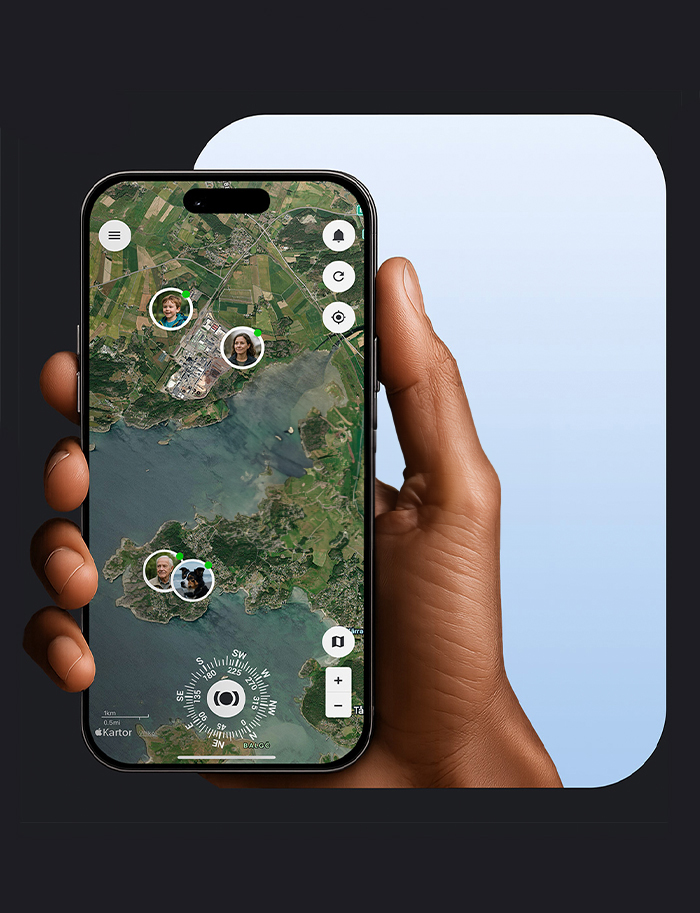
MiniFinder’s proprietary systems use smart technology and real-time features to enhance safety, security, and control in everyday life.
Our Categories
Selected Products
MiniFinder’s proprietary systems use smart technology and real-time features to enhance safety, security, and control in everyday life.
Our Categories
Selected Products
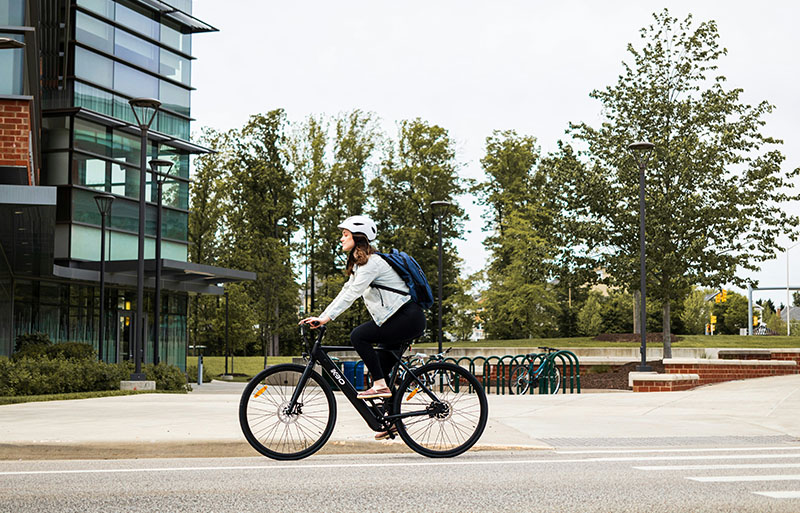
A GPS tracker lets you check your bike’s location on your phone. Some models can also alert you if the bike is moved. But how does the technology work, and how does a GPS tracker compare with a Bluetooth tag? Here’s where to fit a tracker, how to keep it charged and what to do if your bike is stolen.
A bike GPS tracker uses satellite signals to work out where the bike is. With a clear view of the sky, it can pinpoint the location to within a few metres. The tracker then uses a SIM card to send that location over the mobile network to an app on your phone. You can check your bike’s last reported location from anywhere, provided the tracker had mobile coverage when it sent the update. The mobile connection requires a subscription.
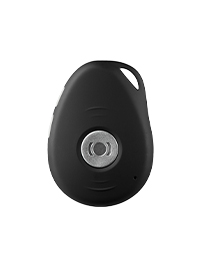
How often the app updates depends on the model. Some trackers provide real-time updates and let you see where the bike has been. MiniFinder Aio reports its location once a day, and you can see the latest update in MiniFinder Live.
In a bike store or basement, walls and ceilings can weaken satellite signals and make the location less accurate. Reception usually improves once the bike is back outdoors.
Some GPS trackers can send you a notification when they detect movement. Another option is a geofence, a virtual boundary you draw in the app around an area such as your garage or bike store. If the tracker reports a location outside that boundary, you can receive an alert. How quickly you receive it depends on the device and how often it reports its position. Models with route history can also show you where the bike has been. Learn more about MiniFinder’s theft protection solutions.
A Bluetooth tag such as an AirTag relies on nearby compatible devices to relay its location when it’s out of range of your phone. How often you see an update depends on whether a compatible device passes nearby. Some tags can also trigger a notification on someone else’s phone if the tag is detected moving with them over time. This feature helps protect people from unwanted tracking, but it could also alert someone who has taken your bike.
Choose a discreet spot where the tracker is securely attached and can still pick up a signal. Plastic and fabric generally interfere less with GPS and mobile signals than metal, so avoid enclosing the tracker in a metal box. If your model can be fitted in a saddle bag, make sure the bag is firmly attached. For an e-bike with a removable battery, choose a spot that stays with the bike when you take the battery with you.
If your tracker is rechargeable, make sure you can easily reach it when it needs charging. A reminder based on its usual battery life can help you keep it topped up.
A GPS tracker can help you locate a stolen bike, so use it alongside a good lock. Police in England and Wales recorded 56,835 bicycle thefts in the year ending March 2026. Lock your bike’s frame to a fixed object, mark the bike and keep a record of the frame number.
If your bike is stolen, report it to the police as soon as possible. Give them the frame number and, if you have a tracker, share the latest location shown in the app and the time it was recorded.


Visit our contact page.