My cart

MiniFinder’s proprietary systems use smart technology and real-time features to enhance safety, security, and control in everyday life.
Our Categories
Selected Products
MiniFinder’s proprietary systems use smart technology and real-time features to enhance safety, security, and control in everyday life.
Our Categories
Selected Products
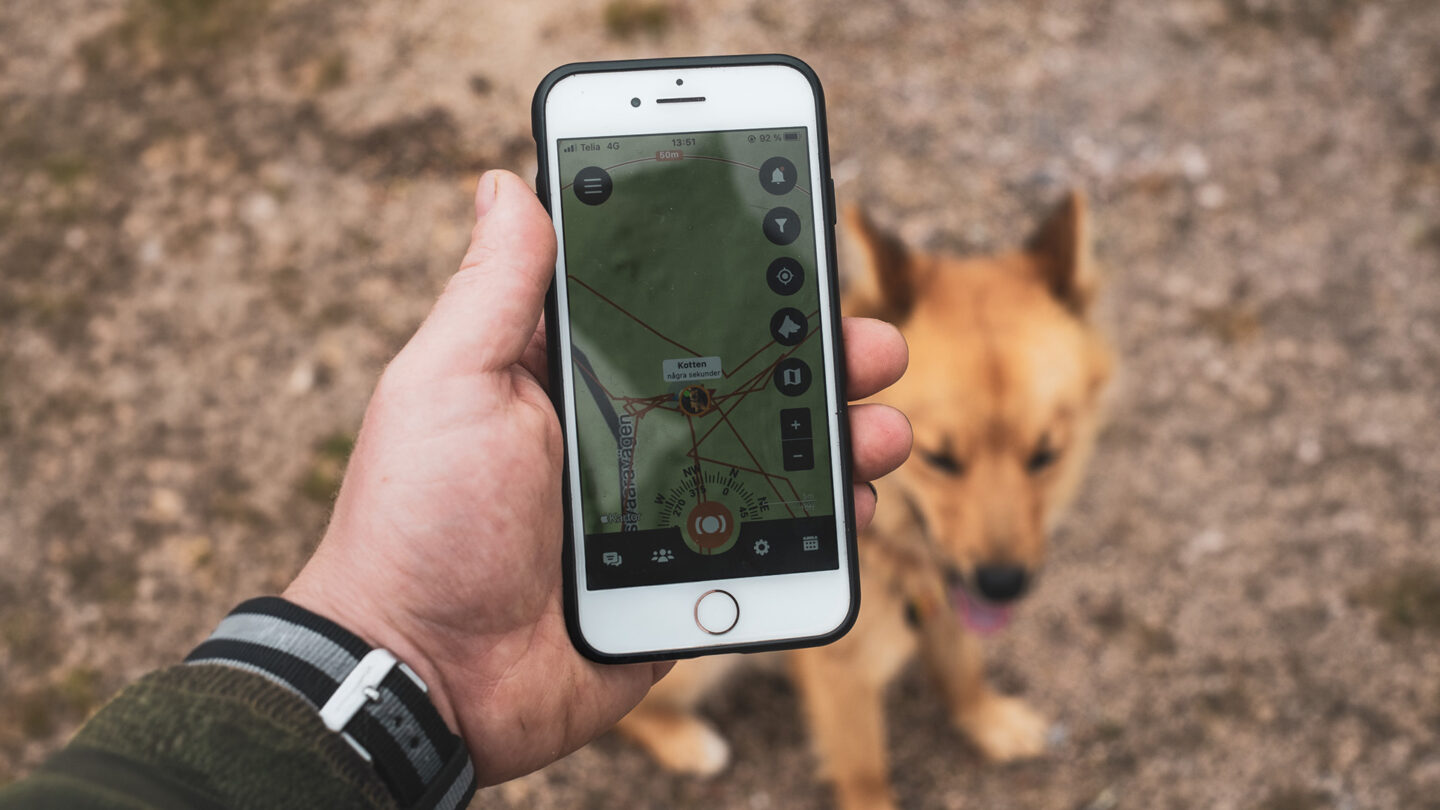
The ability to track your hunting dog directly from your smartphone has changed the way many hunters plan and carry out their hunting days. What once required heavy and expensive radio equipment can now be done using an app in your pocket. However, there are a few things to keep in mind to get the most out of the technology.
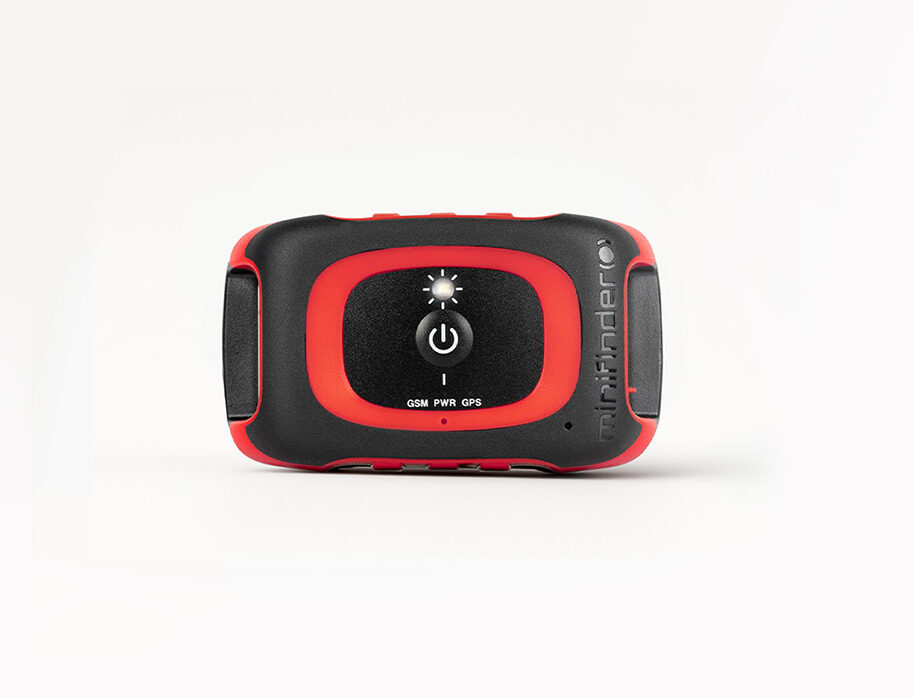
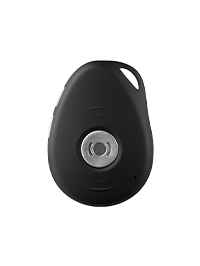
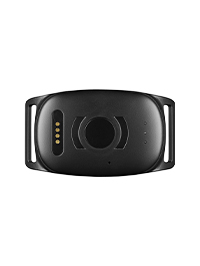
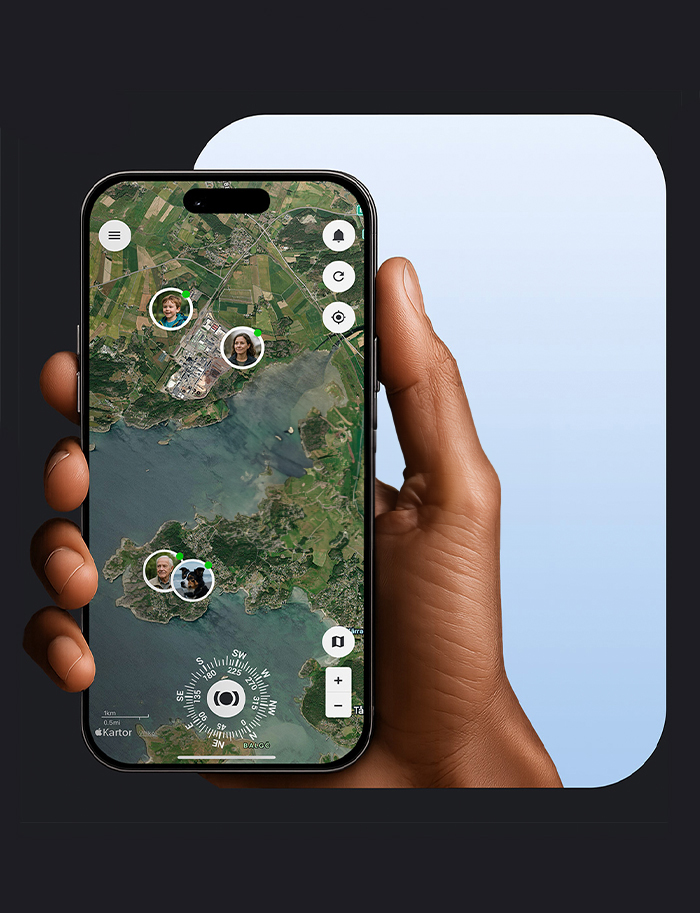
A GPS tracker is attached to your dog's collar and continuously sends the dog's location to an app. In the app, you can view your dog's movements in real time on a map and see whether it is actively tracking game, moving slowly, or standing still.
In addition to location tracking, modern GPS trackers also include a bark indicator that lets you know when your dog is barking. It is a simple but valuable feature that provides important insight into your dog's activity without having to interpret the map alone. If the dog is barking while moving quickly, it is likely following a fresh trail. If it is standing still and quiet, it may be time to check what is happening.
A good hunting app should be free to use and easy to operate, even while wearing gloves or in poor lighting conditions. In addition to real time tracking, it should provide topographic hunting maps that give you a clear view of the terrain, along with the ability to mark hunting grounds and create map markers directly within the map view. This makes it easier to plan, navigate, and review the hunt both during and after the day.
Multiple hunters within the same hunting team can share information in the app and follow the dogs simultaneously. This reduces the need for radio communication and makes coordination within the team more efficient.
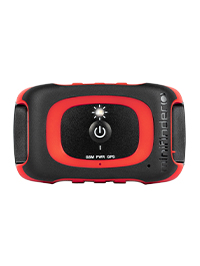
One feature that is often overlooked but highly practical is a built in guiding light on the GPS tracker. Visible from a distance, it makes it easier to locate your dog in dense vegetation or in low light conditions, situations that are common during autumn hunts.
GPS accuracy can be affected by dense forests and hilly terrain, which may temporarily reduce signal quality. In areas with limited mobile coverage, the update frequency may also decrease. For this reason, it is important to choose a GPS tracker that has been tested in the environments where you actually hunt.
A GPS tracker that runs out of battery halfway through the day is of little use. Check the battery life under realistic conditions with continuous GPS tracking enabled. The tracker should also be able to withstand rain, moisture, and cold weather. A waterproof design built for demanding outdoor conditions is the minimum you should expect.
Choose a model that is compact and lightweight enough to suit dogs of all sizes without hanging awkwardly or causing discomfort. This is especially important for breeds with shorter necks or narrower collars.
Want to learn more about what to consider when choosing a GPS tracker for hunting dogs? Read more about our hunting solutions here.


Visit our contact page.