My cart


MiniFinder’s proprietary systems use smart technology and real-time features to enhance safety, security, and control in everyday life.
Our Categories
Selected Products
MiniFinder’s proprietary systems use smart technology and real-time features to enhance safety, security, and control in everyday life.
Our Categories
Selected Products

When someone close to you develops dementia, everyday life can gradually change. A walk that once seemed straightforward may become a source of worry, and an unanswered phone call can leave you wondering whether something has happened. At the same time, you want your loved one to keep their familiar routines, make their own choices and continue doing the things they enjoy.
A regular walk or a trip to the local shop can be an important routine to maintain for someone living with dementia. A mobile personal alarm can help support that independence for longer, according to the person’s abilities and needs. Being able to contact family outside the home can make familiar activities feel safer, both for your loved one and for you.
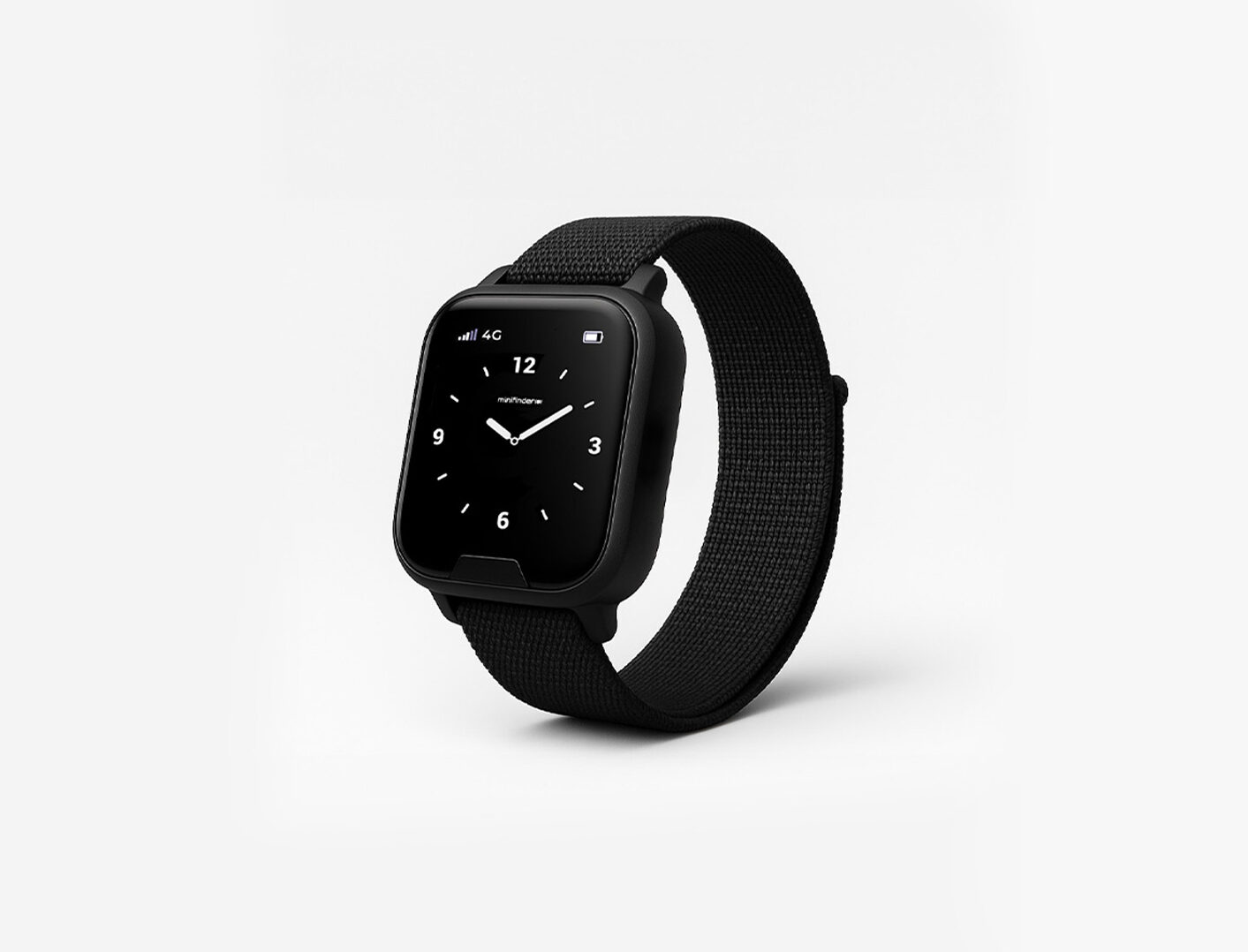
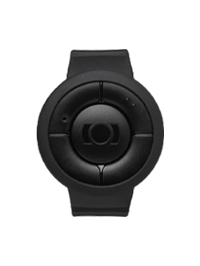
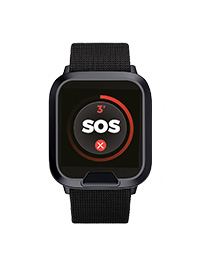
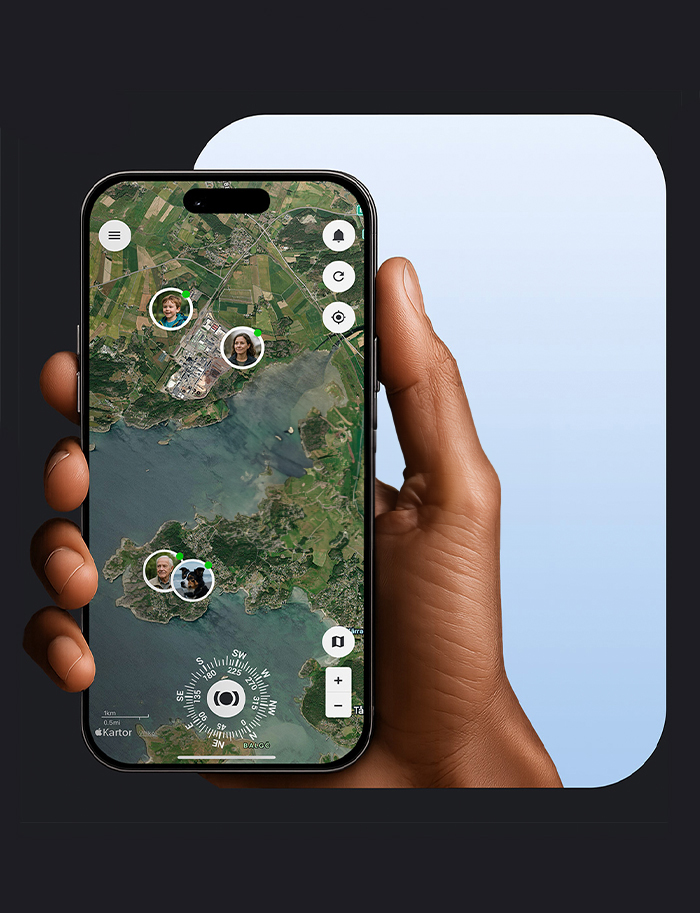
Dementia can make a familiar route suddenly difficult to recognise. Your loved one may leave home to run an errand but then struggle to find their way back or explain where they are. A mobile phone may not always be enough, as remembering how to make a call or recognising the need for help can also become difficult. With a personal alarm watch such as MiniFinder Watch, you can see the person’s location in the MiniFinder Live app and call the watch to speak to them. If your loved one has become lost, their location can help you find them and accompany them home. You can also set up geofences around agreed areas. You will then receive a notification if the person leaves the area, without your loved one having to make a call or activate an alarm.
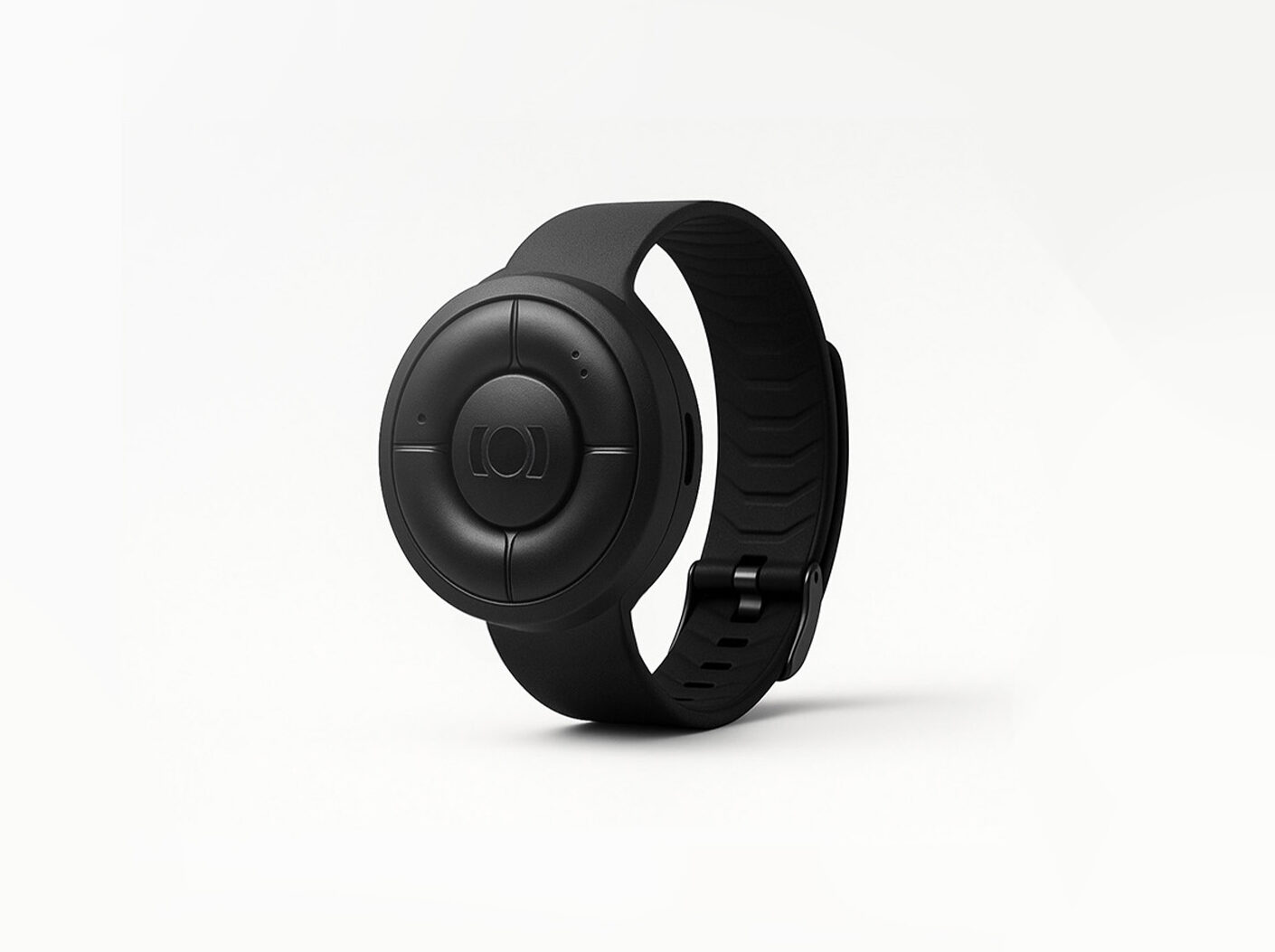
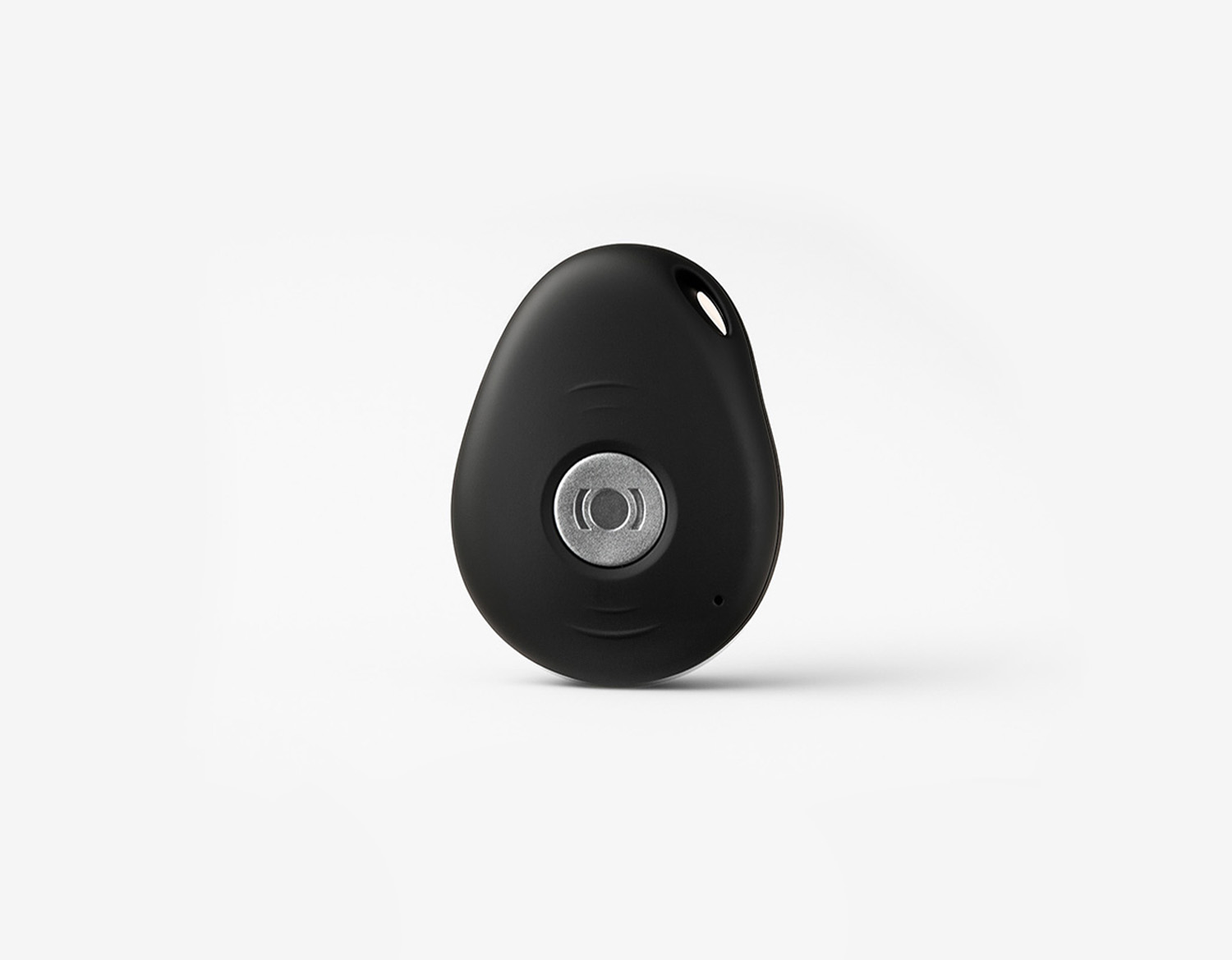
For someone who can use an alarm button, it also offers a simple way to contact others when feeling anxious or confused. Pressing the button sends a push notification to MiniFinder Live, and the watch calls your chosen emergency contacts in sequence. If the first contact does not answer, it calls the next. Whoever answers can speak directly to your loved one through the watch, try to establish what has happened and arrange help. This allows the family to share responsibility, so that one person does not have to be available all the time.
Personal alarms were introduced in Sweden in the 1970s and have since become an established part of municipal care services. A traditional home-based personal alarm connects to a base unit and works in and around the home. When the person presses the alarm button, the alert usually goes to an alarm receiving centre, which can contact the home care service. The time it takes for someone to arrive can vary depending on factors such as distance and staff availability. The alarm’s limited range also means it cannot provide the same support if the person needs help further from home.
A mobile personal alarm uses the mobile network and can be used at home and outdoors wherever there is coverage. Who receives the alerts depends on the solution you choose; with MiniFinder Watch, they can go directly to selected family members. The watch also has automatic fall detection, which can trigger an alert when a fall is detected, providing extra support when the person cannot press the button themselves. If your loved one falls while out walking, for example, you can receive the alert, see their location and speak to them through the watch to assess the situation. If further help is needed, you can contact other family members or call 112 before you arrive. Automatic fall detection can raise the alarm even when your loved one cannot reach or press the alarm button.
A personal alarm needs to suit your loved one’s everyday life. Can the person find and press the alarm button and understand how to use the call function? Try it together and consider what support is needed. Check the battery life, mobile coverage in the places where the alarm will be used, and how charging will be managed. A regular charging routine and clear responsibilities within the family make it easier to keep the alarm ready for use. An occupational therapist or dementia nurse can help you assess suitable aids. Introducing the alarm early gives the person an opportunity to become familiar with its functions and make using it part of their routine. The support will then need to be adapted as their needs change.
It is just as important that your loved one wants to wear the alarm. A device that feels uncomfortable or is left on the bedside table cannot provide support during a walk. For some people, a personal alarm may also feel like a reminder of illness or growing dependence on others. Design can therefore make a difference. MiniFinder Watch looks like a modern watch and can be a stylish, familiar accessory. For someone who already wears a watch, keeping that habit may feel more natural. Involve your loved one in choosing and trying the alarm wherever possible, so that it feels comfortable and reflects their preferences.
Find answers to common questions about mobile personal alarms for people living with dementia and their families.
No, MiniFinder Watch works independently without a mobile phone. Your loved one can activate the alarm and speak to you directly through the watch. As a family member, you use the MiniFinder Live app to receive alerts and see their location.
Yes, you can add several emergency contacts and choose the order in which they are called. If the first person does not answer, the call moves on to the next contact, allowing you to share responsibility within the family.


Visit our contact page.