
My cart


MiniFinder’s proprietary systems use smart technology and real-time features to enhance safety, security, and control in everyday life.
Our Categories
Selected Products
MiniFinder’s proprietary systems use smart technology and real-time features to enhance safety, security, and control in everyday life.
Our Categories
Selected Products

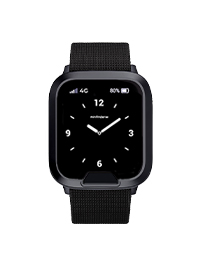
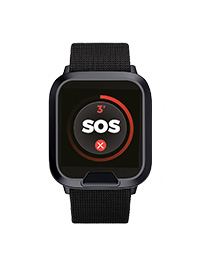
When children begin taking their first steps toward independence, it’s natural for parents to feel concerned. A children’s GPS can serve as valuable support in this stage. Using a GPS watch for kids has become an increasingly common way for parents to create a sense of security in everyday life. With MiniFinder’s GPS watch for children, it becomes easier to keep track of where your child is. A child GPS can help reduce worry and lessen the need for constant supervision. At the same time, the technology raises important questions about privacy, independence, and trust.
MiniFinder Watch Kids is designed to combine safety and ease of use:
Even though the purpose of a child GPS is to create safety, the child may experience it as a form of control—especially if their location is checked frequently or without a clear reason. It’s important to find a good balance between being there as support and giving the child room to grow. At its core, it’s about how the technology is introduced and used in everyday life.
To create a healthy balance between safety and privacy, consider the following:
Talk openly with your child about why the watch is used. Explain that it’s not about “keeping tabs” on them, but about being able to help if something happens. Clarify that:
When the child understands the purpose, the risk of it feeling like surveillance decreases.
Agree together on when and how the GPS device should be used. This can include:
By setting boundaries together, you create a sense of involvement rather than one-sided control.
It’s important that the child does not feel constantly monitored. Instead, emphasize that the watch provides more freedom:
The point is that the watch should give the child greater freedom and independence, not limit them. When the child sees the watch as support rather than surveillance, acceptance increases. MiniFinder Watch Kids then becomes not a control tool, but a secure foundation that helps the child take steps toward greater independence.
A GPS watch for children can be a valuable everyday support when used correctly. With MiniFinder Watch Kids and features like real-time positioning, two-way communication, and SOS alarms, safety is strengthened for both children and parents. It’s important to use the technology thoughtfully, where the key lies in finding the right balance between safety and the child’s privacy.