
My cart



MiniFinder’s proprietary systems use smart technology and real-time features to enhance safety, security, and control in everyday life.
Our Categories
Selected Products
MiniFinder’s proprietary systems use smart technology and real-time features to enhance safety, security, and control in everyday life.
Our Categories
Selected Products

Suggesting a personal alarm to a parent or another older family member isn't always easy. For the person who would be wearing it, an alarm can feel like a reminder that they're no longer as physically capable as they once were, or like the first step towards losing their independence. At the same time, you want to know that your loved one can get help if something happens. This can make it tempting to put off the conversation, even though talking about a personal alarm early on can be helpful.
The hesitation isn't necessarily about the alarm itself, but what it represents. Accepting a personal alarm may feel like admitting that managing everyday life independently is becoming more difficult. It can also bring up concerns about eventually having to move into residential care or losing control over daily routines. If the subject comes up unexpectedly, perhaps after a fall or another worrying incident, a well-meant suggestion may even be taken as criticism.
It can be easier to discuss a personal alarm in a relaxed setting, before an emergency occurs. Try starting with familiar everyday situations, such as going for walks or working in the garden, where an alarm that also works outside the home could provide extra reassurance. Talk about how it could help your relative continue doing the things they enjoy, rather than focusing only on what might go wrong.
Give your relative time to explain how they feel about the idea. Is there anything that makes them uncomfortable or raises questions? Listen to their concerns and involve them in choosing an alarm. Let them have a say in what it looks like, how it's worn, which features they need and who should be contacted if an alarm is triggered. Having a say in these decisions can make it more likely that they'll feel comfortable wearing it as part of their daily routine.
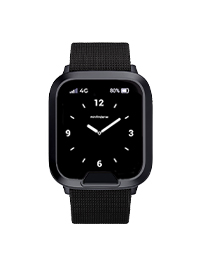
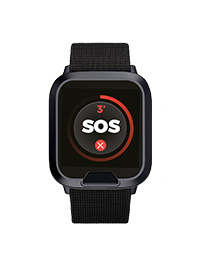
One question that may come up is whether using a personal alarm automatically means involving social care services or the local council. That isn't necessarily the case. With MiniFinder Watch, alerts can be sent directly to selected family members through the MiniFinder Live app, without needing an alarm monitoring centre or local authority involvement. This means you can arrange a personal alarm privately, together with your relative and at a pace that feels right for them.
The fact that the alarm looks like an ordinary watch may also make the idea more appealing to someone who doesn't want to wear a traditional pendant alarm. What matters most is finding something the person feels comfortable with and is happy to use.
Whatever solution you eventually choose, having the conversation is an important first step. When your relative feels involved and comfortable with the decision, they're more likely to use the alarm in everyday life.
If you'd like to learn more about how a personal alarm without a monitoring centre works, visit our page on personal alarms for private individuals or find out more about MiniFinder Watch.


Visit our contact page.