
My cart



MiniFinder’s proprietary systems use smart technology and real-time features to enhance safety, security, and control in everyday life.
Our Categories
Selected Products
MiniFinder’s proprietary systems use smart technology and real-time features to enhance safety, security, and control in everyday life.
Our Categories
Selected Products
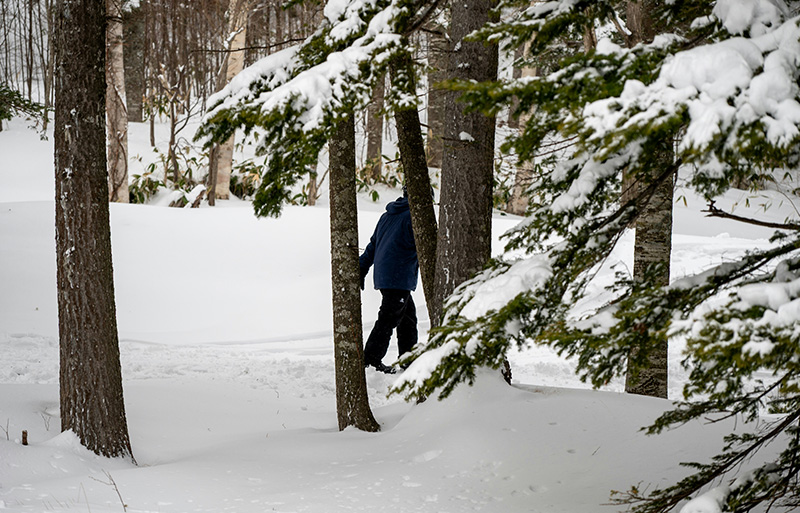
When the cold weather arrives, out come the hat, gloves and winter coat. Ice is easier to overlook, especially when the pavement looks the same as it did yesterday. What looks like a wet patch can be a thin layer of ice, and suddenly the usual walk to the shops or around the block takes a little more thought.
The right ice grips can give your shoes better traction on snow and ice. It’s also worth thinking about how you or someone close to you could call for help after a fall while out alone. Here’s how to choose ice grips for the walks you take most often, and how a personal alarm watch with fall detection can alert chosen contacts even if the wearer has left their mobile at home.
Start with the route you usually take. If you often walk on icy or snow-covered paths, full-sole ice grips are a good option. They have studs under the heel and forefoot, giving you grip as you put your foot down and push off again. Heel grips give you traction as your heel meets the ground and can be handy for short trips where you need to take them off and put them back on regularly. Stud length matters too. Shorter studs can feel steadier on hard surfaces, while longer ones can provide more grip in snow and softer ice.
Try the grips on the shoes or boots you’ll wear with them. Two pairs in the same shoe size can have quite different soles, so take a few steps and check that the grips fit snugly and stay in place. See how easy they are to take off and put back on, too. A tight strap can be more awkward to stretch over a boot when your hands are cold. Metal studs can be slippery on smooth floors such as tiles or polished stone, so take off outdoor-only grips before going inside.
Even with good grip, it’s worth choosing your route according to the conditions. A well-lit, gritted path may be worth a short detour, especially when temperatures hover around freezing. Take extra care on slopes, at crossings and outside entrances, where meltwater can refreeze. Slow down before you reach an icy patch so you have time to see where you’re putting your feet.
If you or someone you walk with uses a walking stick or walking poles, a compatible ice tip can help the stick or poles grip the ground. Reflective clothing or accessories can also make it easier for drivers to see you if you walk along a road after dark. If someone often goes out alone, talk through who they’d want to contact after a fall and who is usually available to answer. That gives you a practical starting point if you’re choosing a personal alarm watch for them.
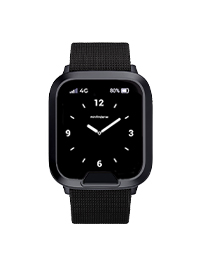
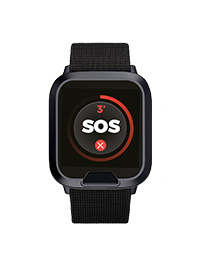
For an older person who falls while out walking, it can be difficult to reach their mobile and call for help. With fall detection switched on, MiniFinder Watch automatically sends an alert directly to chosen emergency contacts, such as a family member or close friend, when it detects a fall. Slower falls, such as sliding down a wall, can be harder for the watch to detect. The wearer can also use the SOS button on their wrist to alert their contacts manually.
The wearer only needs to wear the watch. They can send an alert without carrying a mobile or installing an app. The watch needs to be charged and have an active subscription and mobile coverage. If you receive an alert, you can check the wearer’s location in the MiniFinder Live app on your phone and speak to them through the watch. Once it’s set up, try the SOS button together so everyone knows what to expect and where to find the location in the app.
If you’re weighing up MiniFinder Watch alongside other options, you can also read ProductPick’s comparison of personal alarms for older people.


Visit our contact page.