




My cart


MiniFinder’s proprietary systems use smart technology and real-time features to enhance safety, security, and control in everyday life.
Our Categories
Selected Products
MiniFinder’s proprietary systems use smart technology and real-time features to enhance safety, security, and control in everyday life.
Our Categories
Selected Products

Home care staff often work alone during evenings and nights, when staffing levels are usually lower. Their work involves visiting people in their homes and travelling between different addresses, often without colleagues nearby.
When working alone, getting help can be difficult if something unexpected happens. This could be an incident during a home visit or something that happens while travelling between appointments.
According to the Swedish Work Environment Authority, twice as many occupational accidents and work-related illnesses are reported in Sweden's home care sector compared with other industries. This highlights the importance of protecting staff, including those working evening and night shifts.
Lone working in home care is not just about being physically separated from colleagues. It also means facing situations where getting help when needed may be difficult.
For example, a person receiving care may fall or suddenly become unwell, leaving the care worker needing assistance from another person. There are also risks to staff themselves, such as falling, getting injured or becoming suddenly unwell during a shift.
Threats and violence are other risks that need to be taken seriously, particularly when visiting homes where threatening situations have occurred before. Staff also travel between different addresses and may need to pass through stairwells, car parks and other areas that feel unsafe late in the evening or at night.
With fewer colleagues on duty, it can also be harder to quickly reach someone who can help.
Employers are responsible for identifying and assessing the risks of lone working and ensuring staff can carry out their duties as safely as possible. In home care, this means considering the tasks and environments staff encounter, including during evening and night shifts.
This may involve identifying higher-risk home visits, reviewing staffing levels and ensuring employees have the right training and know how to respond in different situations. There should also be procedures for contacting colleagues or managers when help is needed. During evening and night shifts, it is particularly important that someone is available to receive alarms and arrange assistance, even when regular management is not on duty.
According to the Swedish Work Environment Authority, employees working alone where there is a significant risk of physical injury must be able to receive prompt assistance in an emergency. If this cannot be adequately ensured, the work must not be carried out without another person nearby.
When home care staff work alone, they need a simple way to contact someone if a situation arises. It is also important to have a plan for who receives an alarm and how assistance will reach the employee.
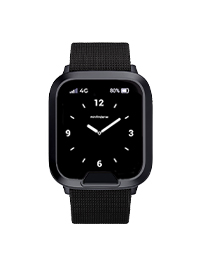
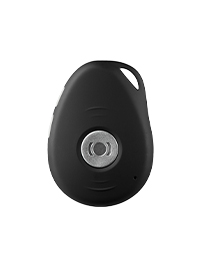
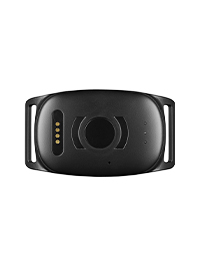
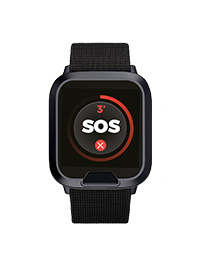
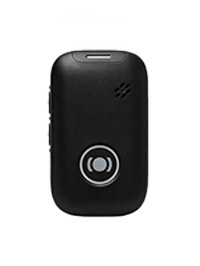
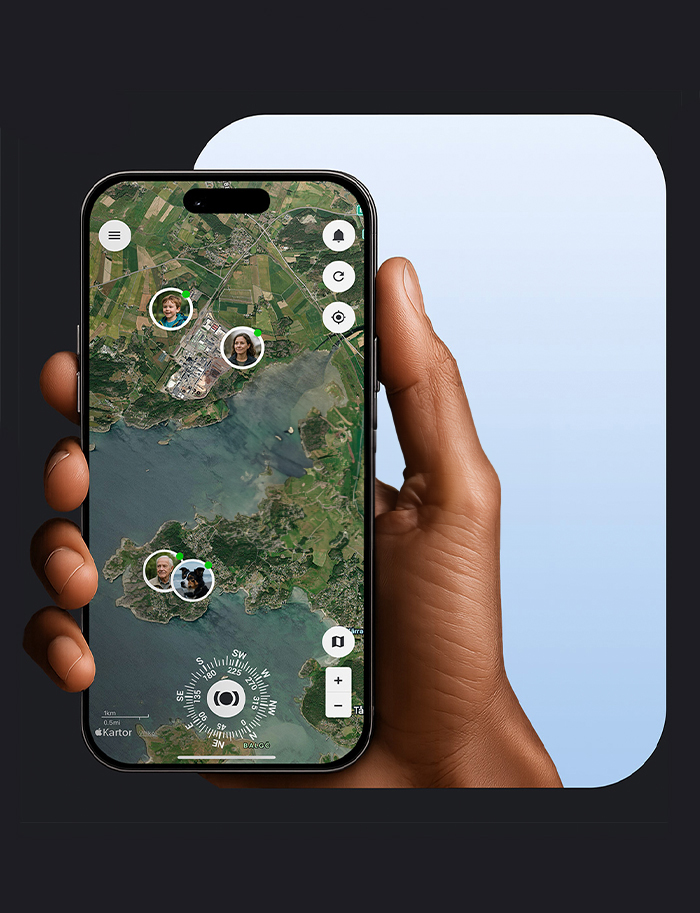
One way to improve safety is to equip staff with GPS personal safety alarms. An SOS button allows employees to raise an alarm during a threatening situation or accident without having to take out their mobile phone. GPS positioning allows the alarm recipient to see where the person is, while two-way communication enables them to speak directly to each other.
Some personal safety alarms also include fall detection, which can automatically send an alert if a fall is detected. This can be particularly valuable if the employee is unable to press the SOS button themselves.
For home care staff working alone during evening and night shifts, knowing that help is available if something happens is essential. Employers therefore need to ensure risks have been assessed, staff know how to respond and reliable ways of calling for assistance are in place.
A personal safety alarm can complement these procedures and make it easier for employees to raise an alert when they need help. By combining appropriate working practices with practical technology, home care providers can create a safer working environment for their staff.
Find out how MiniFinder's personal safety solutions can help improve safety for lone workers.


Visit our contact page.