

My cart


MiniFinder’s proprietary systems use smart technology and real-time features to enhance safety, security, and control in everyday life.
Our Categories
Selected Products
MiniFinder’s proprietary systems use smart technology and real-time features to enhance safety, security, and control in everyday life.
Our Categories
Selected Products

Traditional personal alarms are often connected to an alarm receiving centre, where an operator receives the alert, assesses the situation and, if necessary, arranges further assistance. For many older people, this is an important source of reassurance, but there are also alternatives where alerts do not go through an external alarm centre.
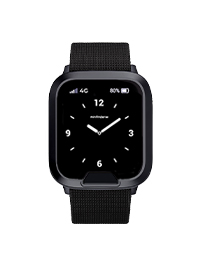
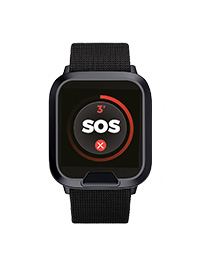
A senior watch without an alarm centre instead sends alerts directly to one or more preselected contacts, usually family members. This means that relatives or other people close to the user are notified when something happens and can respond based on the situation.
This type of solution can suit someone who wants an added level of safety both at home and when out and about, while preferring direct contact with family rather than a traditional alarm centre.
With a senior watch that works without an alarm centre, there is no external operator between the user and the people receiving the alert. When the user presses the alarm button, the alert is sent directly to the contacts added to the system.
This could be a family member, friend or another trusted contact. The person receiving the alert then decides what action is needed. They might call the user, go to their location or, if the situation appears serious, contact the emergency services.
This gives the user and their family more direct control over what happens when an alert is triggered. It differs from municipal personal alarm services, which are often connected to an alarm centre and may form part of a care service involving home care or other support.
A senior watch without an alarm centre usually combines several technologies to send alerts and show the user's location.
The watch typically has a built-in SIM card and communicates over the mobile network, much like a mobile phone. This means the user does not have to be at home for the alarm function to work. As long as there is mobile coverage, the watch can communicate with the people connected to the system.
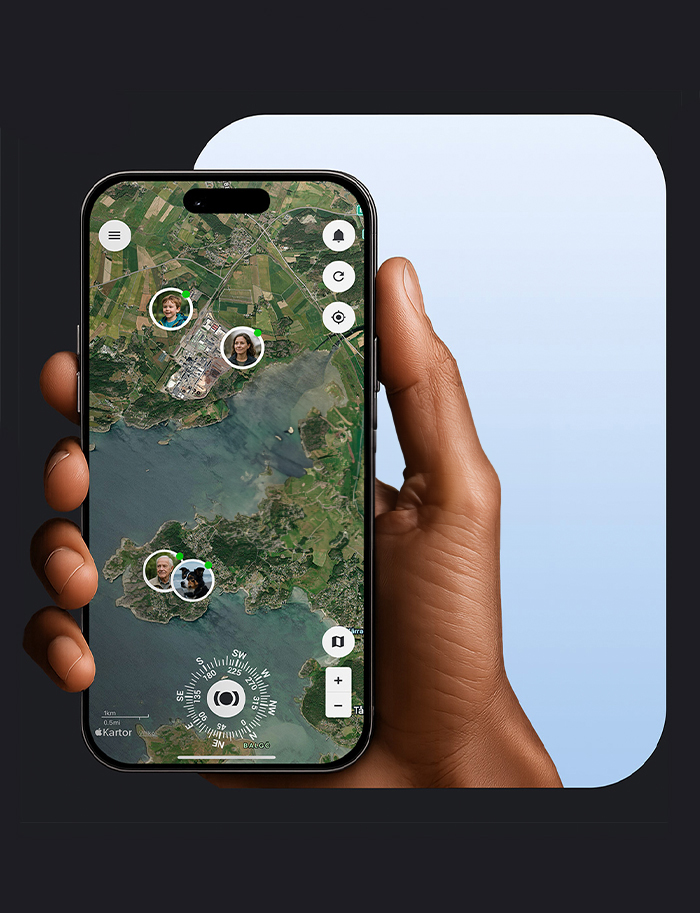
GPS positioning is used to show where the user is. Their location is sent to an app or web service where family members can see it. This can be useful both when an alert is triggered and when a relative needs to check where the person is.
The app acts as the link between the watch and the user's family. Alerts are received there, the user's location can be viewed and, in many cases, it is also possible to call the watch directly. This allows family members to quickly get in touch and get a better understanding of what has happened.
If the watch also has fall detection, an alert may in some cases be triggered automatically when the sensor detects a fall. The alert is then sent directly to the preselected contacts rather than an external alarm operator.
One of the main differences with a senior watch without an alarm centre is that family members have direct access to both alerts and location information. There is no intermediary who first needs to receive the information and pass it on.
For someone who is relatively active, it can also be useful that the solution works outside the home. The user can move around more freely while still having the option to send an alert or share their location when needed.
This makes this type of solution relevant for people who want to remain independent while still being able to quickly contact family members or other people close to them.
When alerts are sent directly to family members, they are also responsible for responding when an alert comes in. It is therefore important that everyone added as a contact understands how the system works and is prepared to act if an alert is triggered.
If only one person is set up to receive alerts, the solution can also become vulnerable if that person is unavailable. Adding several family members or other trusted contacts to the app can therefore be a good idea.
A senior watch without an alarm centre can offer considerable freedom and flexibility, but it works best when both the user and their family have clear routines for what to do when an alert is received.


Visit our contact page.