

My cart


MiniFinder’s proprietary systems use smart technology and real-time features to enhance safety, security, and control in everyday life.
Our Categories
Selected Products
MiniFinder’s proprietary systems use smart technology and real-time features to enhance safety, security, and control in everyday life.
Our Categories
Selected Products

Every year in Sweden, more than 100,000 people aged 65 and over suffer falls serious enough to require medical care, and around 2,000 die as a result, according to the Swedish National Board of Health and Welfare. A fall alarm automatically sends an alert when someone falls, even if they are unable to press a button. But how does a fall alarm know when a person has fallen?
A fall alarm is a feature in a mobile personal safety alarm that automatically sends an alert when the person wearing it falls. Unlike a standard SOS button, it does not require the person to take action themselves. This is important because someone who has fallen may be disoriented, in pain or unable to reach the button.
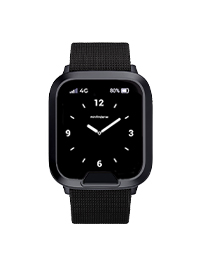
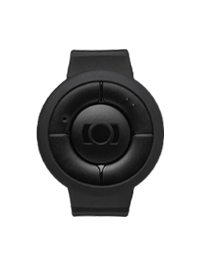
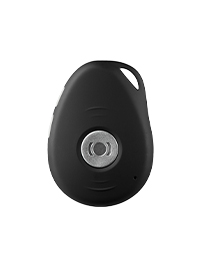
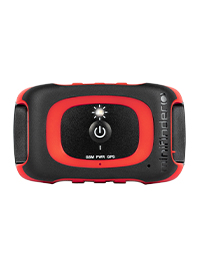
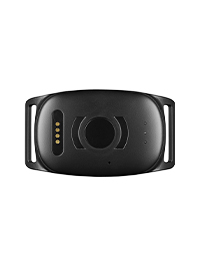
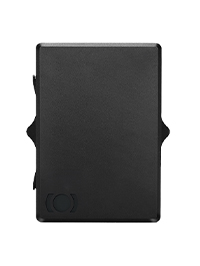
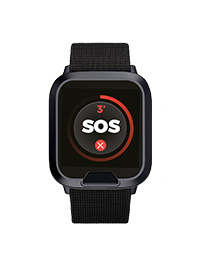
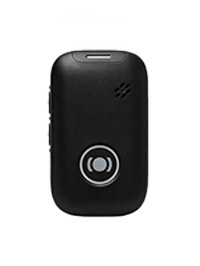
Fall alarms are available in several forms, including watches, wristbands and wearable personal alarms.
Inside the alarm is a motion sensor that continuously monitors how the device moves and its orientation. A typical fall involves a sudden downward movement, an impact and a change in position. When the sensor detects this pattern of rapid movement and changes in orientation, the alarm is triggered automatically.
The alert is sent via the mobile network to selected contacts, such as family members, along with the person's location. At the same time, a voice connection is established, allowing the recipient to speak directly to the person through the device, check how they are and contact emergency services if necessary.
Multiple contacts can be connected to the same device, increasing the likelihood that someone will be available to respond.
A mobile fall alarm works both indoors and outdoors, provided there is mobile network coverage. Outdoors, GPS is used to determine the person's location, while Wi-Fi and Bluetooth can also help provide location information indoors.
No fall alarm can guarantee that every fall will be detected. For example, someone slowly sliding from a chair or the edge of a bed may not produce the same clear movement pattern as a typical fall.
On the other hand, a sudden impact can sometimes be mistaken for a fall. If this happens, the person can simply respond when the contact speaks through the alarm and explain that everything is fine. An occasional false alarm is preferable to a serious fall going undetected.
A fall alarm also only works when the device is charged and being worn. It should therefore be seen as a complement to the SOS button, and charging the device should become part of a regular routine.
A fall alarm can be particularly useful for older adults who live alone or regularly go for walks on their own, as well as anyone who has experienced a fall before or feels unsteady on their feet.
Knowing that help can be contacted if something happens can give people greater confidence to remain active and independent.
Fall alarms can also benefit people living with dementia who may find it difficult to call for help themselves. They are also useful for lone workers, where the same technology is often referred to as a man-down alarm.
For family members, a fall alarm can provide peace of mind, knowing they can be notified if an incident occurs.
Learn more about how our fall alarms can support safety and care.
A fall alarm can help ensure that assistance is requested quickly, but it cannot prevent the fall itself.
According to the Swedish National Board of Health and Welfare, many fall-related accidents can be prevented through measures such as balance and strength training.
Simple changes at home can also make a difference, including improving lighting, removing loose rugs and wearing footwear with good grip when conditions are icy.


Visit our contact page.