







My cart


MiniFinder’s proprietary systems use smart technology and real-time features to enhance safety, security, and control in everyday life.
Our Categories
Selected Products
MiniFinder’s proprietary systems use smart technology and real-time features to enhance safety, security, and control in everyday life.
Our Categories
Selected Products

Lone working is common across many different professions and industries, from home care and property maintenance to retail, warehouses and field work. What these roles have in common is that someone working alone may be more vulnerable if an accident, sudden illness or threatening situation occurs.
Employers therefore have a clear responsibility to assess the risks associated with lone working and ensure that the work can be carried out safely. A lone working action plan makes it easier to turn the risk assessment into practical procedures and measures. It also provides documentation of how the organisation works proactively to maintain a safe working environment.
In Sweden, the rules on lone working are set out in the Swedish Work Environment Authority's regulations AFS 2023:2, Chapter 6, which replaced the previous AFS 1982:3. The regulations cover work where a person is physically or socially isolated and has no opportunity for direct contact with other people.
Where the work also involves a risk of violence or threats, the employer needs to take this into particular consideration. AFS 1993:2 states that work involving a significant risk of violence or threats must not be carried out alone.
The employer is responsible for identifying risks before the work is carried out and for taking the necessary measures. In other words, it is not enough to act only after an incident has already occurred.
The first step in an action plan is to identify which tasks actually involve lone working. The risks then need to be assessed together with, for example, safety representatives and the employees who carry out the work.
The risk assessment should reflect the actual working environment. This may include the risk of falls or sudden illness when no one else is nearby to provide assistance. For customer-facing work, home visits or work in higher-risk environments, the possibility of threats and violence may also need to be considered. Extended periods of lone working can also create psychological strain and should therefore form part of the assessment.
The risk assessment should be documented in writing and used as the basis for the measures the organisation decides to implement.
Once the risks have been identified, the next step is to decide how they can be prevented or reduced. This often involves a combination of organisational procedures and technical solutions.
For example, employees working alone may be required to check in at agreed times, or work can be organised so that longer periods of isolation are interrupted at regular intervals. Employees also need the right knowledge and training to handle situations that may arise when no colleague is nearby.
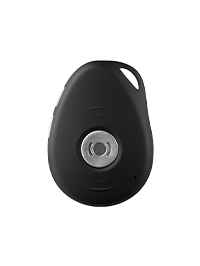
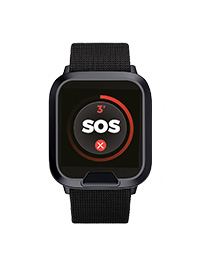
If the work involves a significant risk of physical injury, the employer also needs to ensure that help can be called quickly. This could include a wearable device that automatically sends an alert if something happens during lone working, for example if the person falls or suddenly stops moving. This can reduce the time between an incident occurring and someone becoming aware that help is needed.
A clear action plan should describe which tasks are covered, which risks have been identified and what measures need to be implemented. It should also state who is responsible for each measure and what procedures apply if an employee needs to raise an alarm or call for assistance.
At the same time, the action plan should be treated as a living document. Working conditions, staff and tasks can change, which means the risks may also change over time.
The plan should therefore be reviewed regularly and whenever there are changes to the organisation or working conditions. The same applies after accidents or near misses. By reviewing what happened and whether the existing procedures worked as intended, the action plan can be adjusted to provide safer conditions for future lone working.


Visit our contact page.