
My cart


MiniFinder’s proprietary systems use smart technology and real-time features to enhance safety, security, and control in everyday life.
Our Categories
Selected Products
MiniFinder’s proprietary systems use smart technology and real-time features to enhance safety, security, and control in everyday life.
Our Categories
Selected Products
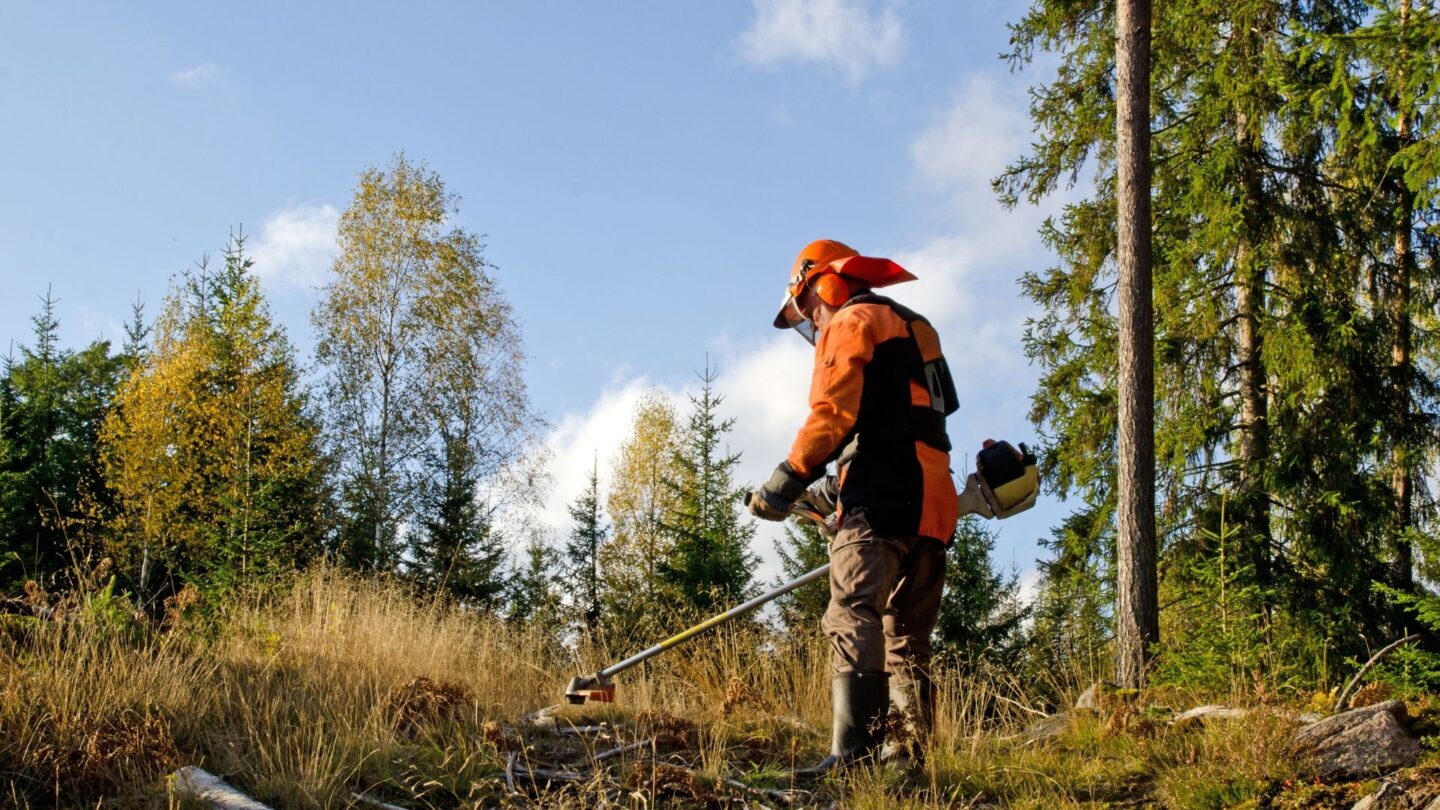
Working alone in agriculture or forestry comes with many challenges and risks. The work often takes place across large areas, far away from colleagues and other people. When you're deep in the forest or working on a remote part of a farm, help may be a long way away if something goes wrong.
If an accident happens while you're working alone, the consequences can be serious. It may take a long time before anyone notices what has happened or for help to reach you. That's why having the right safety procedures, reliable communication and the ability to share your GPS location is so important.
According to the Swedish Work Environment Authority, forestry is one of the industries with the highest accident rates in Sweden. Common accidents include slips and falls on slippery or uneven ground, injuries involving chainsaws and accidents during tree felling. Working with storm-damaged trees can be particularly dangerous, as trunks and branches may move with great force when cut.
Agricultural work also involves risks, particularly when operating tractors and other machinery or handling large animals. Many tasks take place in areas where there may not be anyone else nearby. If you get injured or become trapped in a situation you cannot get out of on your own, getting help can be difficult.
Skogskunskap, a Swedish forestry knowledge resource, also points out that people working alone in forests may have to wait longer for rescue if an accident occurs. Limited mobile coverage can make it even more difficult to contact someone.
An important part of staying safe begins before the work even starts. By identifying potential risks and planning how tasks should be carried out, many accidents can be prevented. The Swedish Work Environment Authority recommends reviewing working methods, equipment and what to do if something goes wrong. When using a chainsaw, for example, it's important to wear the correct protective equipment and have the knowledge needed to carry out the work safely.
Skogskunskap also highlights the importance of stopping work before becoming too tired, as fatigue and stress can affect your judgement. For particularly dangerous tasks, working together with someone else is also a safer option.
When you need to work alone, it's a good idea to let someone know where you'll be and when you expect to return. It's also important to keep your phone or other communication equipment within easy reach, such as in a chest pocket rather than a backpack.
A personal alarm with GPS location can provide an extra level of safety when you're working alone in a large forest or on a remote farm. In forests, there are rarely street addresses or clear landmarks to refer to, which can make it difficult to explain your location. With GPS positioning, the person receiving an alert can access your location and help emergency services find the right place.
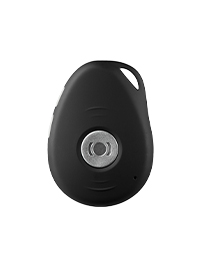
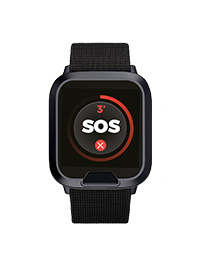
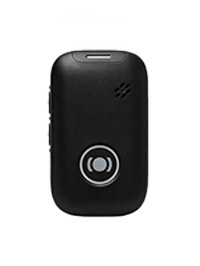
There are also several advantages to using a wearable personal alarm with fall detection and an SOS button instead of relying only on a mobile phone. If you fall, get injured or are unable to get up, it may be difficult to reach your phone and call for help. A personal alarm such as MiniFinder Pico has both fall detection and an SOS button, allowing alerts to be sent to predefined contacts. The fall alarm can also activate automatically when the device detects a fall, letting the recipient know that something may have happened.
One important thing to consider when working outdoors is the difference between GPS positioning and mobile network coverage. GPS is used to determine a person's location, while the mobile network is used to send the alert and location information. This means a personal alarm may still be able to determine its position in areas with poor mobile coverage, but network coverage is needed for the alert to reach its recipient. That's why it's important to check mobile coverage and test the equipment in the areas where you usually work.
Being able to raise an alarm is an important part of staying safe, but someone also needs to know what to do when an alert comes through. It should be clear who receives the alert, how they should contact the worker and what to do if there is no response. This could involve calling the person, contacting someone nearby or requesting emergency assistance if needed.
The Swedish Work Environment Authority explains that employers are responsible for having first aid procedures and emergency arrangements suited to the risks in the workplace. Regular check-ins and clearly assigned emergency contacts can be especially important when working in places where you rarely see other people.
Lone working in agriculture and forestry will always involve certain risks, but the right preparations can help create a safer working environment. By combining protective equipment, clear safety procedures and a personal alarm for lone workers with GPS positioning, it becomes easier to call for help and share your location if something happens.


Visit our contact page.