

My cart


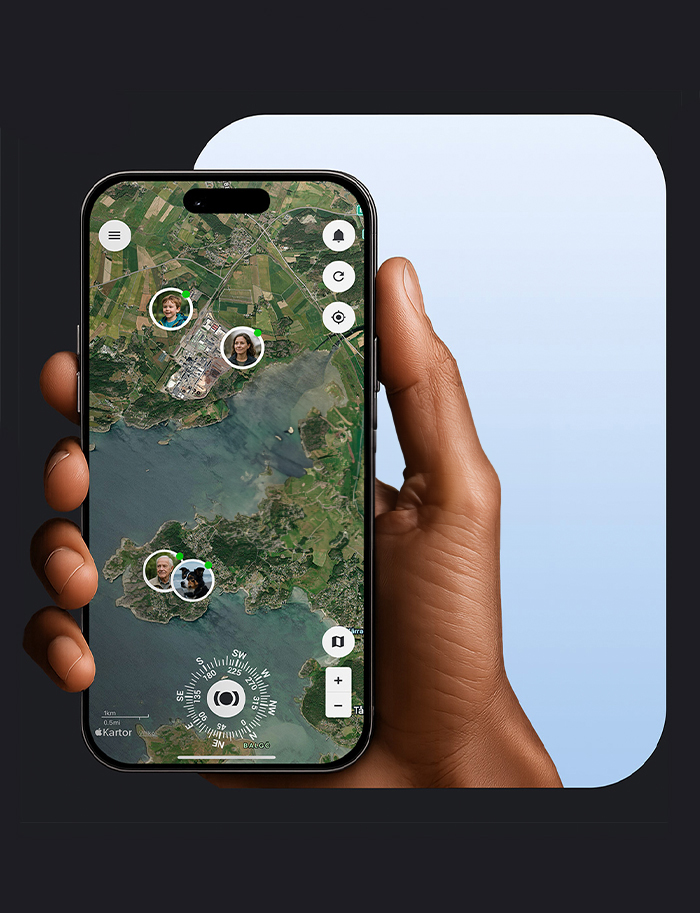
MiniFinder’s proprietary systems use smart technology and real-time features to enhance safety, security, and control in everyday life.
Our Categories
Selected Products
MiniFinder’s proprietary systems use smart technology and real-time features to enhance safety, security, and control in everyday life.
Our Categories
Selected Products
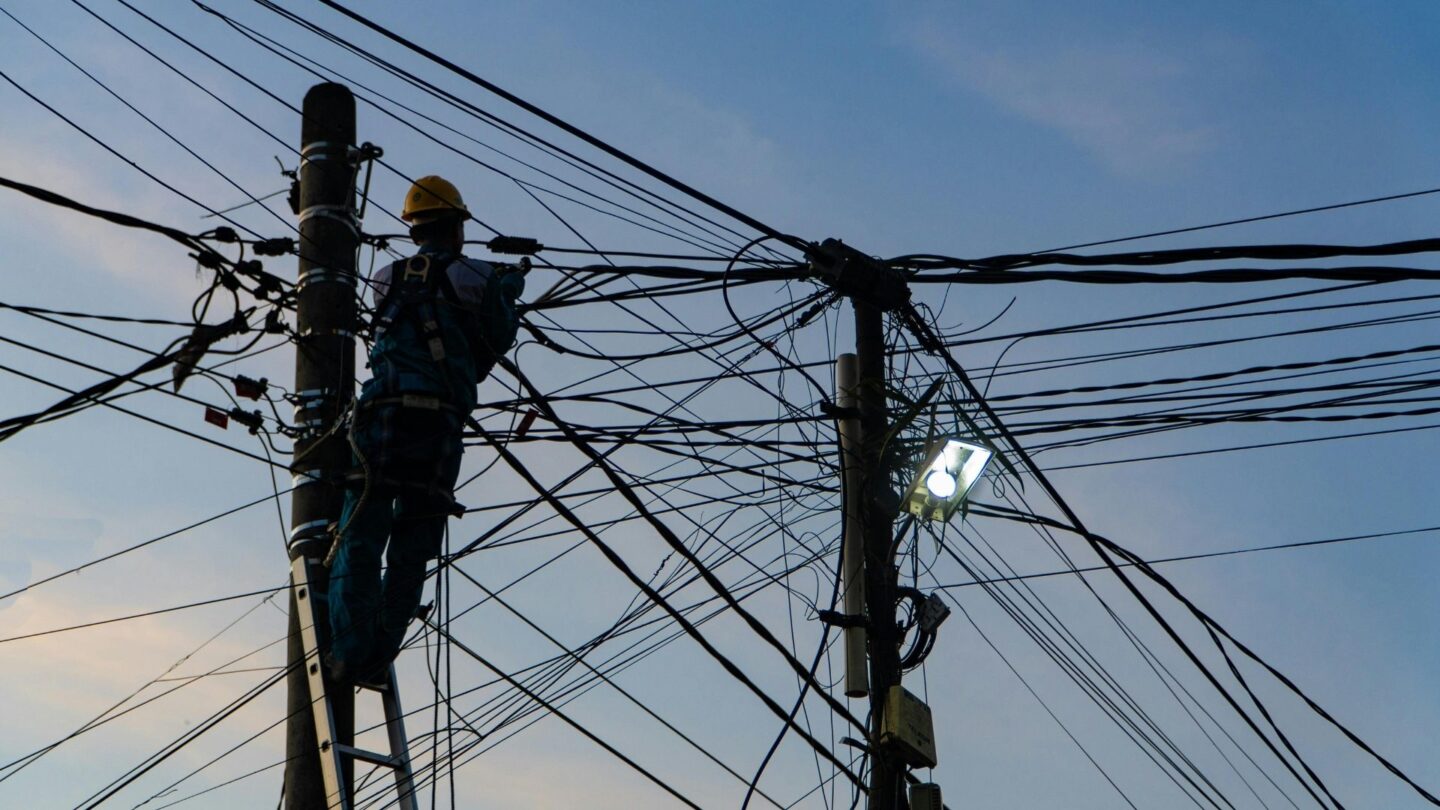
When someone works alone, an accident can have more serious consequences because there may be no one nearby to see what has happened. A man down alarm is designed to automatically raise an alert if the user is involved in an incident and is unable to call for help themselves.
Unlike a standard personal alarm, where the user actively presses an SOS button, a man down alarm can respond automatically to signs that something may be wrong. This can be particularly important in the event of a fall, loss of consciousness or another sudden medical emergency or accident.
Man down alarms use sensors in the wearable device to detect movement and changes in the device's position. Exactly how an alarm is triggered varies between different systems. For example, the device may detect a sudden fall or unusual movement. Some man down systems can also use changes in angle or an extended period of inactivity as signs that the user may need assistance.
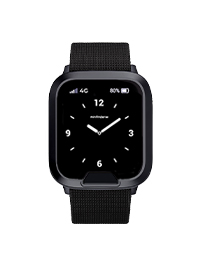
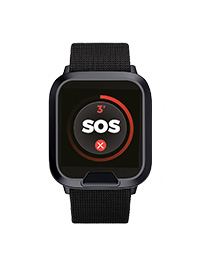
The key point is that the alarm does not rely solely on the person being able to press a button themselves. MiniFinder Veo, for example, has automatic fall detection which, according to MiniFinder, can be activated by a sudden fall or unusual movement. If an alarm is triggered, it can be managed through MiniFinder Live, where the user's location and alarm events can be monitored.
An SOS button is valuable as long as the user is conscious and able to activate it. The problem arises when an accident leaves them unable to do so. Someone who falls from a height, slips and is injured or experiences a sudden medical emergency may not be able to reach or press the alarm button.
This is where an automatic man down alarm can play an important role. A triggered alarm can alert designated contacts that something has happened and, in systems with positioning, help them locate the person.
The Swedish Work Environment Authority also emphasises that employers must assess potential accident scenarios during lone working and consider how quickly an injured employee can receive help. If there is a risk of injuries so serious that the person would be unable to call for help themselves, other means of communication must be arranged.
The need is particularly clear for people who work alone or in locations where colleagues may not quickly notice that an accident has occurred. This can include electricians, road workers, technicians and other professionals who work in the field or in higher risk environments. MiniFinder also highlights personal alarms with automatic fall detection as a safety solution for lone workers such as electricians and road workers.
A man down alarm should not, however, be seen as a replacement for systematic workplace safety procedures. Employers still need to assess risks, establish procedures for responding to alarms and make sure that help can actually reach an employee working alone. Where lone working involves a significant risk of physical injury, rapid assistance must be available. Otherwise, the work cannot be carried out alone.


Visit our contact page.