


My cart



MiniFinder’s proprietary systems use smart technology and real-time features to enhance safety, security, and control in everyday life.
Our Categories
Selected Products
MiniFinder’s proprietary systems use smart technology and real-time features to enhance safety, security, and control in everyday life.
Our Categories
Selected Products
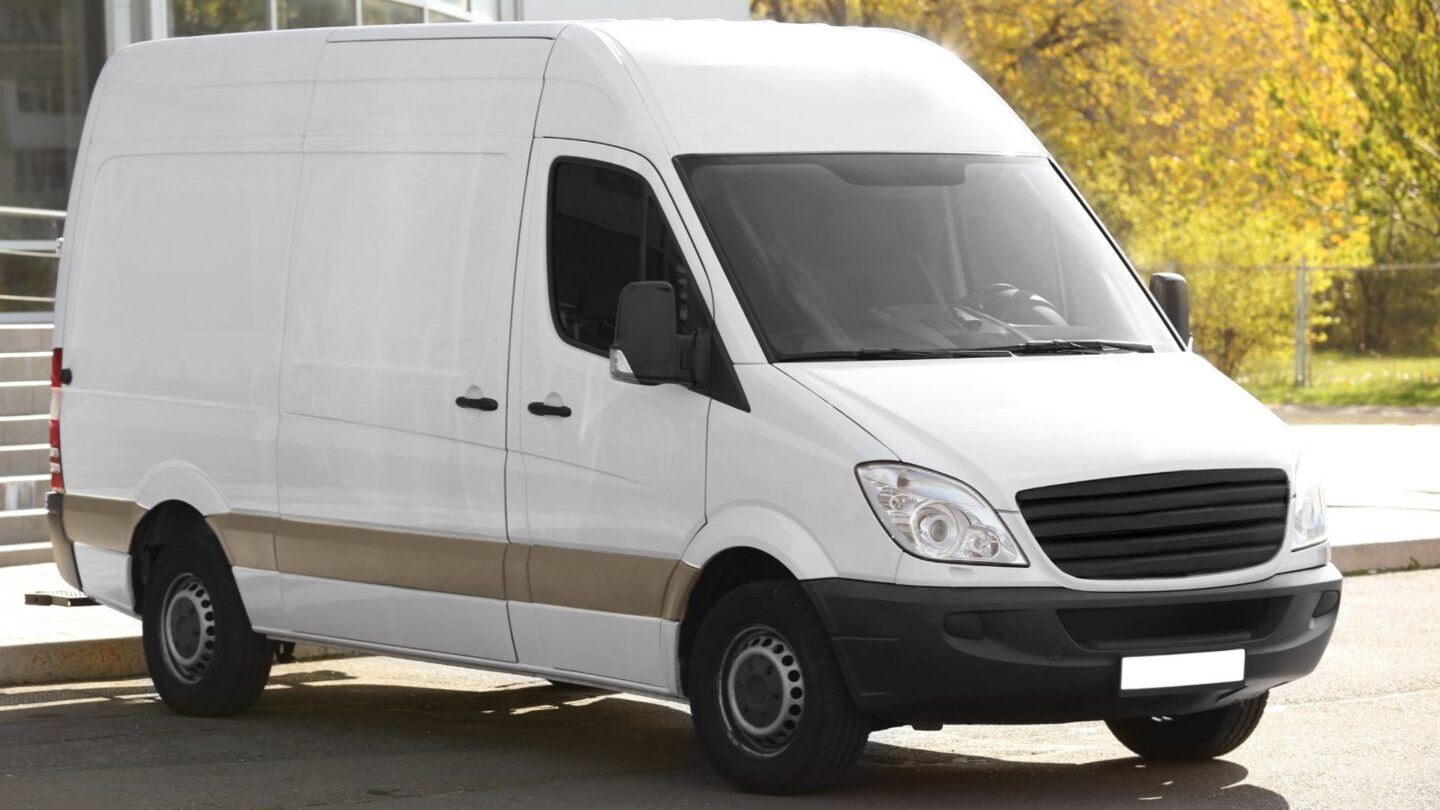
Service vehicles and vans are often used differently from regular company cars. During a single working day, several technicians, installers or other employees may use the same vehicle to travel between customers, worksites and different assignments. This can make it difficult to establish afterwards who drove the vehicle, where they went and the purpose of the journey.
A mileage log provides a clear record of how the vehicle is used and makes it easier to distinguish business journeys from any private use. Although there is no specific legal requirement in Sweden for companies to keep a mileage log, it can provide important supporting documentation if the Swedish Tax Agency reviews how a company vehicle has been used.
There is no general legal requirement in Sweden for a company to keep a mileage log for its service vehicles. However, the company needs to be able to demonstrate how a vehicle has been used if questions arise about private use or taxable car benefits.
Without sufficient documentation, it can be difficult to show which journeys were made for business purposes and which may have been private. During a review, this could affect the Swedish Tax Agency's assessment of whether the vehicle was available to an employee for private use and, in turn, whether a taxable car benefit applies.
A mileage log therefore provides a useful record of how the vehicle has actually been used and helps reduce uncertainty afterwards.
A service vehicle may be shared by several employees and make numerous short journeys during a working day. This is different from a company car used by one employee who has an overview of all journeys made with the vehicle.
The more drivers and journeys involved, the harder it becomes to reconstruct the vehicle's use afterwards. Without records being kept as the journeys are made, it may be difficult to remember who drove to a particular customer or why the vehicle was at a certain location.
Under Swedish tax rules, limited private use of a company vehicle may be permitted without giving rise to a taxable car benefit. The limit is no more than ten occasions of private use and a total of no more than 1,000 kilometres in a year. Clear documentation is needed to demonstrate that the vehicle's private use has remained within these limits.
A mileage log should contain enough information to show how the vehicle has been used. This should include the vehicle's registration number, the date of each journey and the odometer reading at the beginning and end of the journey.
It should also show where the journey started and ended and its purpose, such as a customer visit, delivery or specific service assignment. If the vehicle is shared between several employees, it is also important to record who was driving.
The log should be kept up to date. Trying to reconstruct a large number of journeys long afterwards increases the risk of errors and missing information. The records should also be retained so they are available if requested during a later review.
A mileage log can be kept manually using pen and paper or in a digital document. For a service vehicle that makes many journeys and is shared by several drivers, however, this can involve a considerable amount of administration. A driver may forget to record a journey, enter the wrong odometer reading or fail to document why the journey was made.
An electronic mileage log offers an alternative by recording journey information automatically. Using GPS, information such as distance travelled, time and location can be recorded without the driver having to document every journey manually.
This makes it easier to maintain consistent records of how the company's service vehicles are used, particularly in businesses where vehicles are used frequently and shared between several employees.
A well-maintained mileage log is therefore useful for more than providing documentation in the event of a review. It can also give the company better structure, reduce manual administration and make it easier to see how each service vehicle has been used.


Visit our contact page.