




My cart


MiniFinder’s proprietary systems use smart technology and real-time features to enhance safety, security, and control in everyday life.
Our Categories
Selected Products
MiniFinder’s proprietary systems use smart technology and real-time features to enhance safety, security, and control in everyday life.
Our Categories
Selected Products
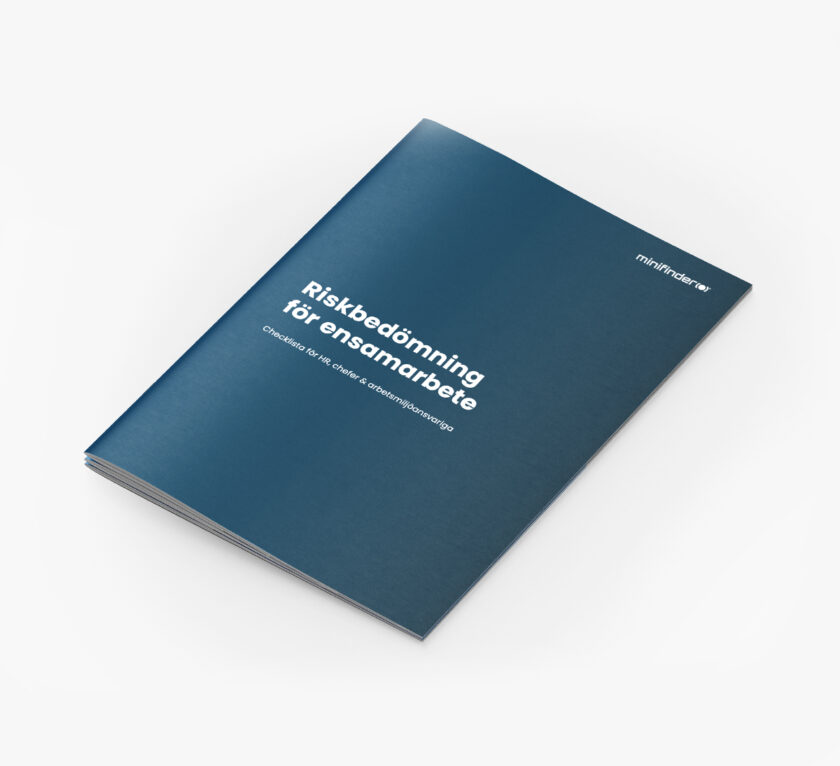
By downloading our guide, you will receive a practical walkthrough on how to conduct a risk assessment for lone working, which legal requirements apply, and a ready to use template that simplifies the process.
The guide is free of charge and helps you create a safer and more structured work environment.
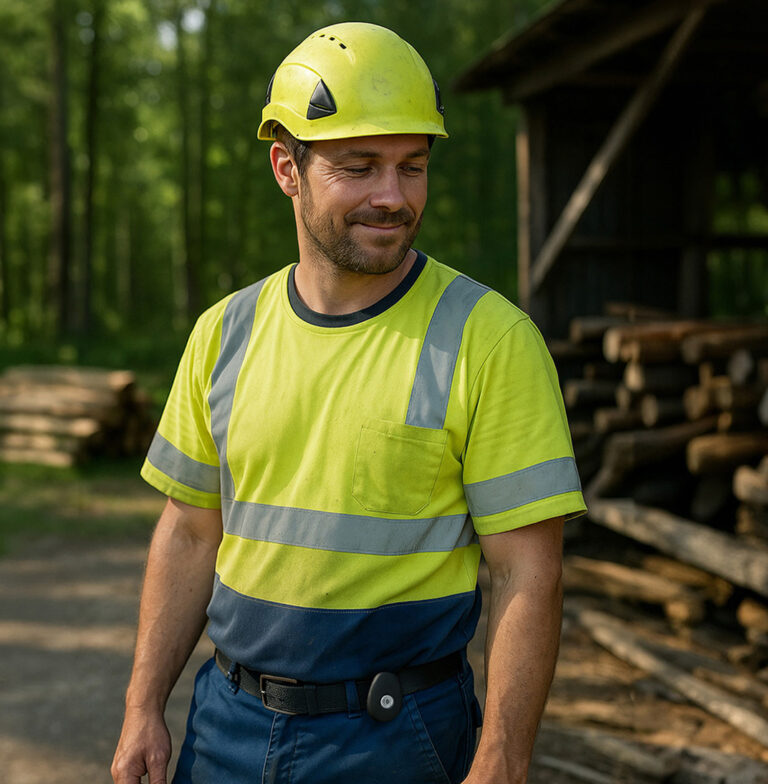
Lone working means that a person works without direct contact with colleagues and without the possibility of immediate assistance in the event of an accident or emergency. This may involve working in remote locations, evening and night shifts, or situations where someone works alone on the premises.
When employees work alone, employers have specific responsibilities to carry out a risk assessment and implement measures to reduce risks. Through clear procedures, the right equipment, and reliable alarm solutions, the work environment can remain safe and secure even when tasks are performed independently.
The Swedish Work Environment Authority sets clear requirements for how lone working must be planned and risk assessed. The employer is responsible for preventing risks, ensuring access to rapid assistance, and making sure that work is not carried out alone where there is a significant risk of violence or serious injury.

Discover how MiniFinder’s lone worker alarms strengthen workplace safety policies for our customers.
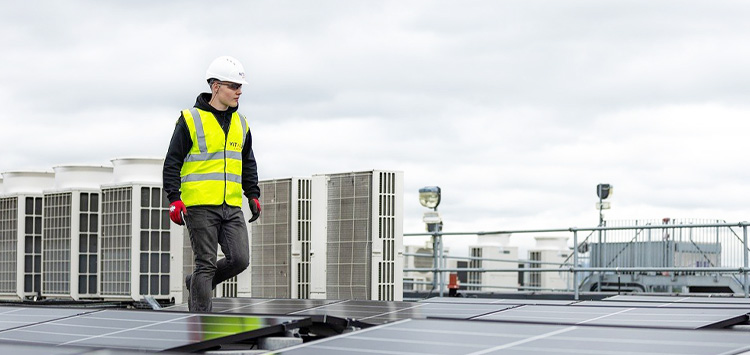
Safety is important to us and our staff. MiniFinder provides extra security when we work alone during evenings, nights, and weekends.

For us, lone working is part of everyday operations. Our staff often patrol areas on their own and need to feel safe at all times. With MiniFinder’s personal alarms, they know that support is always close at hand, which makes a real difference in their daily work.


The right technology is an essential part of creating a safe work environment for lone working. By combining clear procedures with technical solutions, risks can be reduced and response times shortened if something happens.
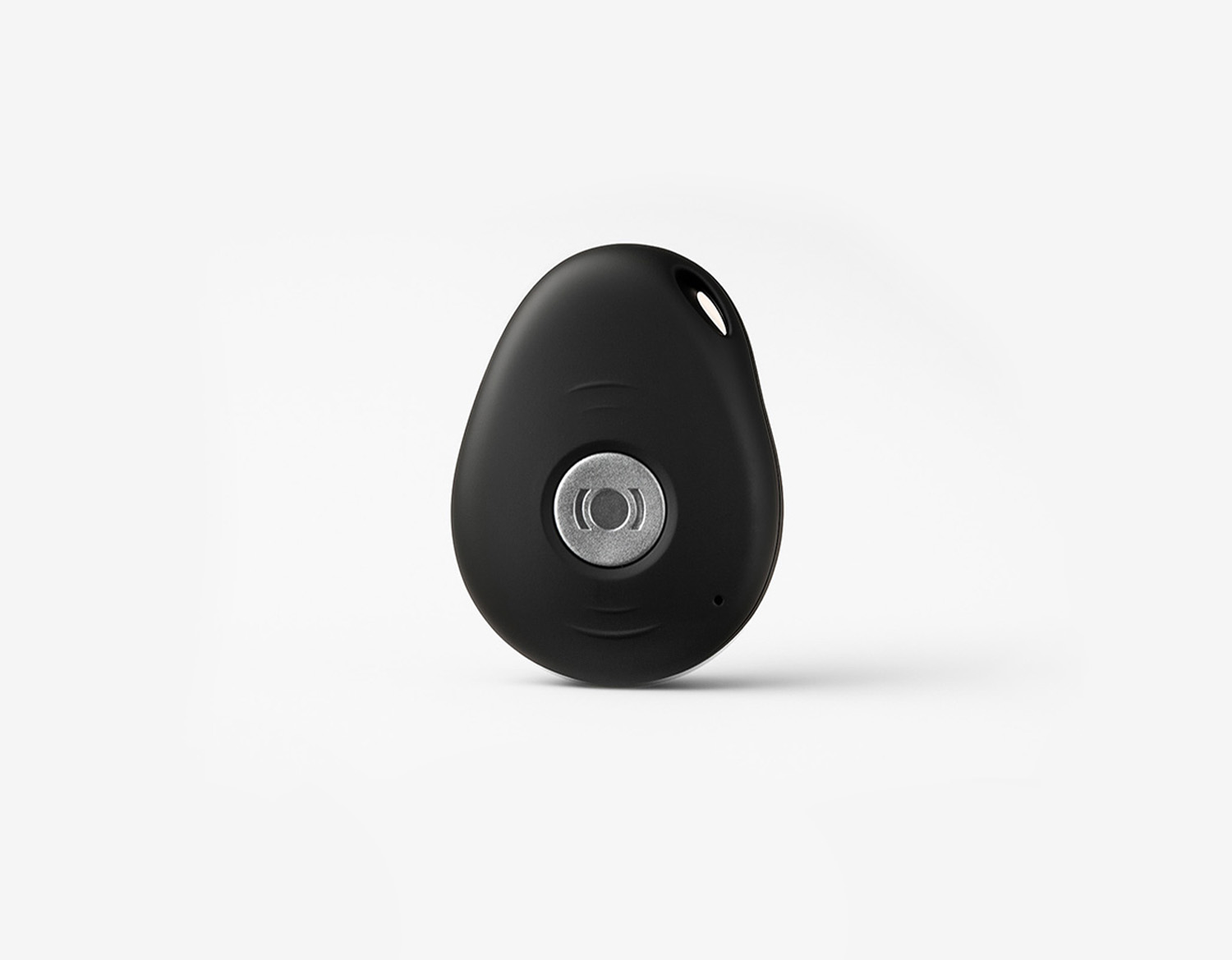
Personal alarms make it possible to quickly raise an alert in the event of a fall, threatening situations, or urgent incidents. With an alarm button, automatic fall detection, and a clear alarm chain, greater security is created for those who work alone.
Find answers to common questions about lone working.
Employers are required to carry out a risk assessment before allowing lone working. If there is a significant risk of violence or serious injury, the work must not be carried out alone. There must also be arrangements in place to ensure rapid assistance in the event of an emergency, in accordance with applicable occupational health and safety legislation.
Regulations on lone working require employers to identify potential risks, implement preventive measures, and document the risk assessment. Lone working must not be permitted where there is a serious risk and safety cannot be ensured, in accordance with applicable occupational health and safety legislation.
Yes, a lone working checklist helps employers identify risks, assess potential threats and accident hazards, and ensure that alarm systems and procedures function properly. A structured checklist makes it easier to comply with occupational health and safety regulations and create a safer work environment.
Technology for lone working.
Read our latest articles