
My cart


MiniFinder’s proprietary systems use smart technology and real-time features to enhance safety, security, and control in everyday life.
Our Categories
Selected Products
MiniFinder’s proprietary systems use smart technology and real-time features to enhance safety, security, and control in everyday life.
Our Categories
Selected Products

A dog can go missing faster than you might expect. An open gate, a dog getting spooked during a walk or an interesting scent in the woods can be enough for your dog to suddenly disappear from sight. During a hunt, the situation is a little different. Hunting dogs often work far away from their handlers and can cover large areas.
A GPS tracker lets you follow your dog’s position and see which direction it is moving. This can make a big difference when your dog is no longer within sight, whether it has escaped from home or is working far out in the woods during a hunt.
When a dog goes missing, it can be difficult to know where to start looking. The dog may quickly have travelled far from where it was last seen, while the owner has no way of knowing whether it is still moving or has stopped somewhere.
With a GPS tracker on your dog, you can instead see its latest position and, as long as the device is connected, follow its movements. This gives you a place to start searching rather than looking without knowing which direction your dog has gone.
A GPS tracker does not replace your dog’s regular identification, however. If a dog goes missing in Sweden, the Swedish Kennel Club recommends reporting it as missing through the DjurID owner register. It is also a good idea to contact people in the area, spread the word and report the dog as missing to the police.
GPS trackers are not only useful for dogs that are regularly allowed off the lead. They can also provide extra security during walks, at a holiday home, while travelling or whenever your dog is somewhere unfamiliar.
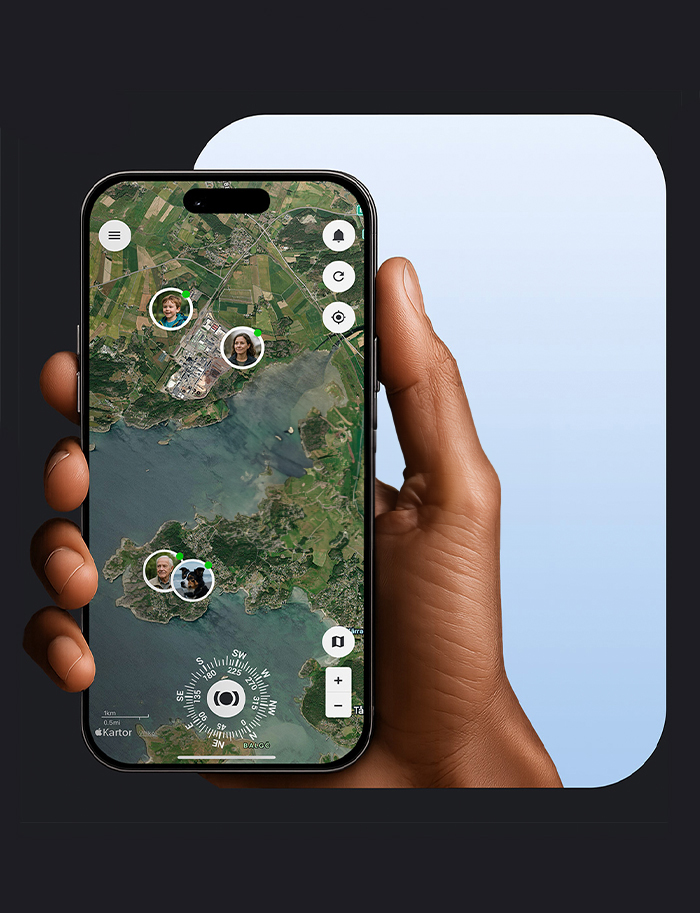
With a GPS tracker, you can follow your dog’s position on your phone. Some solutions also offer virtual fences, known as geofences. You can mark an area on the map and receive a notification if your dog enters or leaves it.
This can be useful around your home or holiday home, for example, allowing you to notice sooner if your dog moves outside the area where it is supposed to be.
During a hunt, it is often the dog’s job that takes it far away from its handler. A hunting dog may work over long distances, and in dense woodland or hilly terrain, it can quickly disappear from sight.
A GPS tracker for hunting dogs therefore serves a different purpose than a tracker used mainly in everyday life. The handler can follow the dog’s movements during the hunt and see whether it is still moving, has stopped in one place or is approaching a road, for example.
It can also be useful for more than just the handler to see the dog’s position. With MiniFinder Hunter, the hunting team can follow the dogs on the map and get a shared view of how the hunt is progressing.
If the dog suddenly stops or remains in a location where something may have happened, the handler also has a position to work from. This can be particularly important if the dog has been injured or has encountered a wild boar, for example.
The right GPS tracker depends largely on how your dog will use it. For a dog that mainly wears a tracker in everyday life, size and comfort may be important, while a hunting dog places different demands on the equipment.
During hunting, the tracker may be exposed to woodland, water, mud and changing weather conditions. It is therefore worth checking the device’s IP rating and battery life. How frequently the position is updated is also relevant, especially for a dog moving quickly across a large area.
It is also important to understand the technology used by the tracker. A GPS tracker that sends its position via the mobile network needs mobile coverage to transmit information to the app. In areas with no coverage at all, the position cannot be transmitted until the device reconnects to the network.
Visibility can also be part of keeping a hunting dog safer. Reflective details, high-visibility colours or LED lights can make the dog easier to spot in the woods and during the darker parts of the hunting season.
Even with good routines and the right equipment, a dog can still go missing. If this happens, it is recommended that you initially stay for a while at the place where the dog disappeared. Leaving something behind that carries the scent of the owner or home can also be helpful.
If the dog does not return, it should be reported as missing. In Sweden, dogs registered with DjurID can be reported missing through the register, helping anyone who finds the dog get in touch with its owner. The police can be contacted on 114 14, and it is also a good idea to spread the word among neighbours, local groups and other people in the area.
If your dog is wearing a working GPS tracker, you have a position to work from. Instead of only knowing where your dog was last seen, you can follow its location and focus your search on the right area.
The right GPS tracker depends on how your dog is used. For everyday use, a smaller tracker with real-time positioning and geofencing may be most important, while hunting often calls for more frequent position updates and features designed for the hunting team.
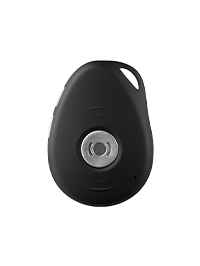
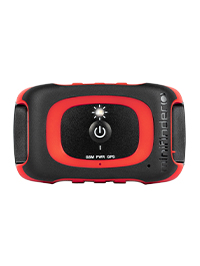
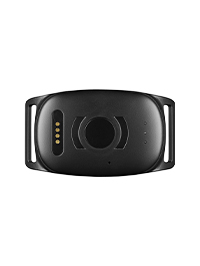
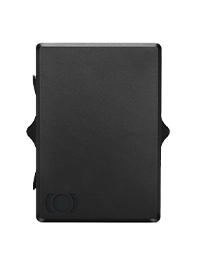
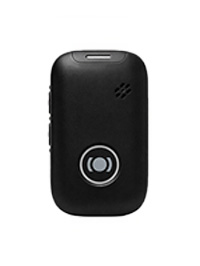
MiniFinder Atto Pro is designed for dogs in everyday life, while MiniFinder Rex and MiniFinder Vexo are developed for hunting dogs. Rex offers more hunting-specific features, while Vexo is a simpler option for those who mainly want to keep track of their dog’s position.


Visit our contact page.