My cart

MiniFinder’s proprietary systems use smart technology and real-time features to enhance safety, security, and control in everyday life.
Our Categories
Selected Products
MiniFinder’s proprietary systems use smart technology and real-time features to enhance safety, security, and control in everyday life.
Our Categories
Selected Products
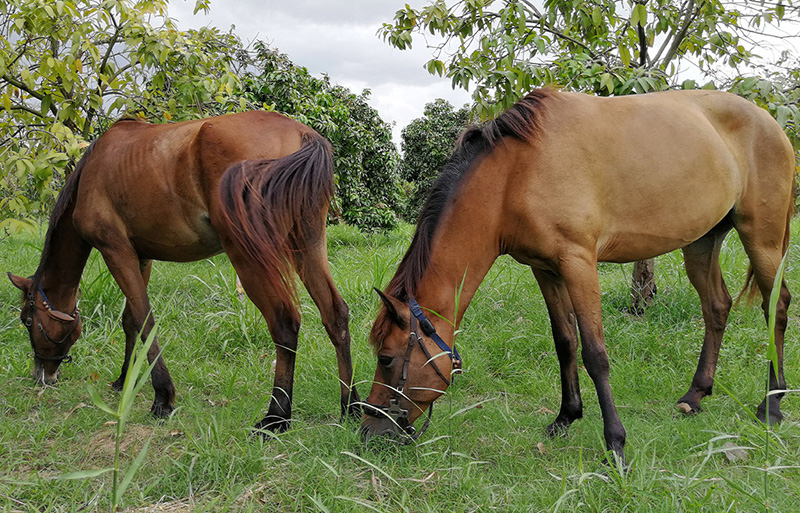
A damaged fence, an open gate or a sudden fright can be enough for a horse to escape from its field. For anyone who owns or looks after the horse, concern quickly sets in: where is it, and how do we find it?
A GPS tracker can offer extra peace of mind by making it easier to see where the horse is. This can be useful for private horse owners, riding schools and livery yards alike. GPS tracking complements daily checks and secure fencing.
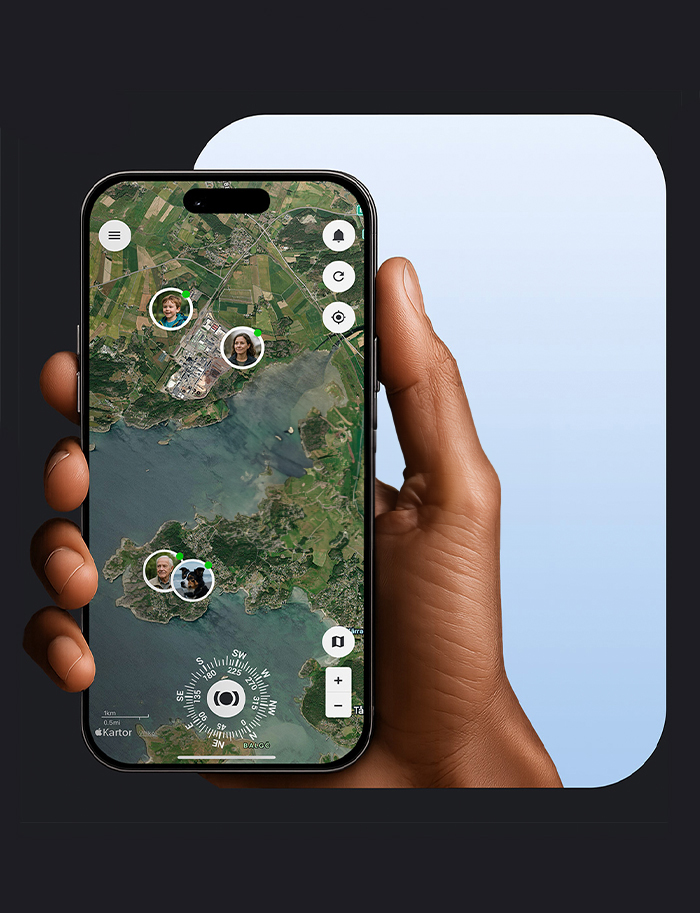
A horse that is frightened or gets loose can cover a considerable distance in a short time. With a GPS tracker for horses, you can view its location in an app and, depending on the system, see a history of its movements. This can be particularly useful on large areas of grazing land where it is difficult to keep the whole area in view.
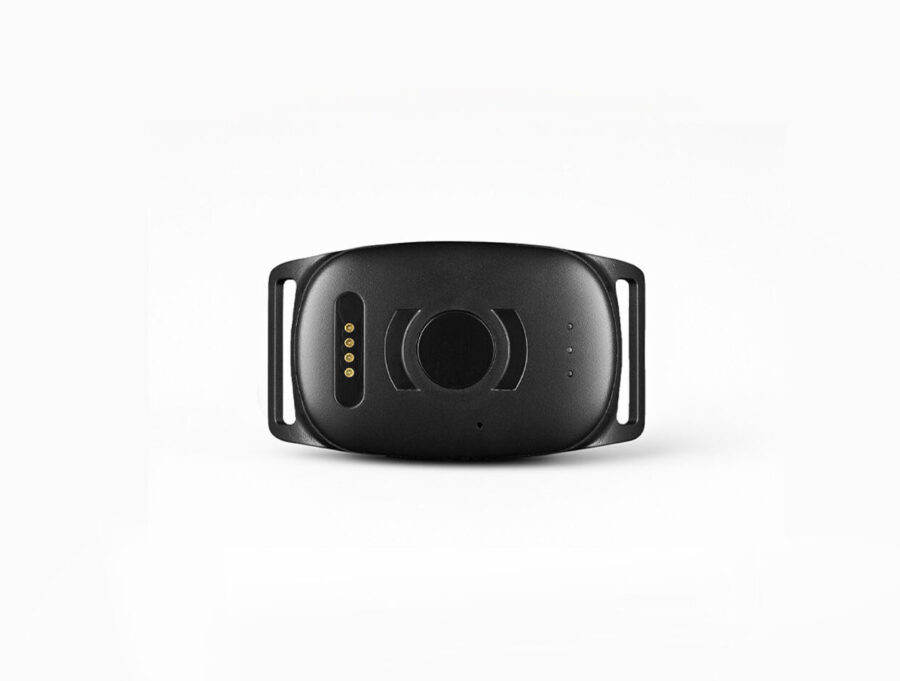
The tracker must be securely attached and positioned so that it does not rub or risk getting caught. Check that both the device and its attachment are suitable for horses and compatible with the equipment you use. Remember, too, that a tracker attached to a saddle follows the saddle. It only shows the horse’s location while the saddle remains on the horse.
A geofence is a virtual boundary that lets you mark out an area on a map, such as a field or stable grounds. If the tracker registers a location outside that boundary, you can receive a notification on your phone alerting you that the horse may have left the area.
How quickly the notification arrives depends on factors such as the tracker’s update interval and connectivity. The feature can help you detect an escape, but it does not replace physical fencing or regular checks. Nor does it tell you whether the horse is injured or unwell.
GPS tracking can also help if a horse or valuable equipment is stolen. A small tracker, suitably positioned in or on a saddle, can make it possible to follow the saddle’s location. Depending on the system, you may also receive a notification if it leaves a predefined area.
The same principle can be applied to horse trailers, horseboxes and other equipment. Tracking does not prevent theft itself, but it can complement locks, secure storage and other theft prevention measures.
When choosing a GPS tracker for a horse, consider how and where you will use it. Check how well the device withstands water, dirt and impacts, how long the battery lasts and how often it updates its location. More frequent updates may mean you need to charge the device more often.
You should also test how well tracking works in the places where the horse usually spends time. Location accuracy can be lower inside stable buildings, and systems that transmit information over a mobile network need coverage to update the location in the app.
If several people look after the horse, being able to share access to its location and notifications can be useful. For larger yards, managing several trackers in one system can make it easier to keep an overview.
Whether your horse lives in a field at home or at a larger yard, a GPS tracker can provide extra support in everyday care. A solution suited to the horse and its surroundings can help you notice when it leaves the area and find it if it gets loose. Learn more about our GPS solutions for animals.
Find out more about our products and choose a solution that suits you and your animal.


Visit our contact page.