My cart


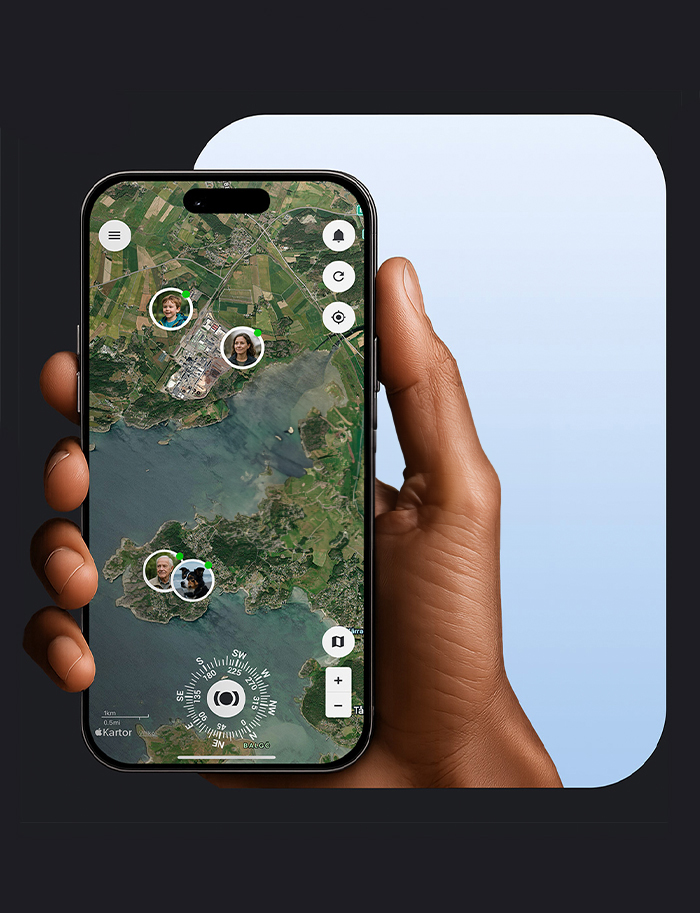
MiniFinder’s proprietary systems use smart technology and real-time features to enhance safety, security, and control in everyday life.
Our Categories
Selected Products
MiniFinder’s proprietary systems use smart technology and real-time features to enhance safety, security, and control in everyday life.
Our Categories
Selected Products
Every child deserves to feel safe and supported in their daily life — but for families of neurodivergent children, maintaining that sense of security can be especially challenging. From managing routines to ensuring safety in unfamiliar settings, small tools can make a big difference. Today, GPS-based safety devices are helping families create structure, confidence, and calm in an often unpredictable world.
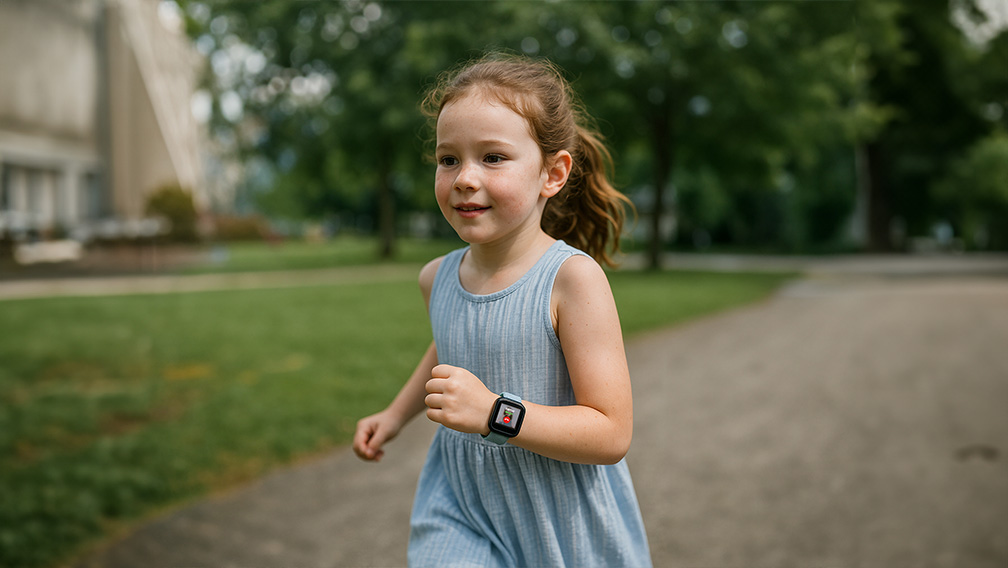
Children with neurodevelopmental conditions—often referred to as neurodivergent children—face unique challenges in everyday life. Diagnoses such as ADHD, autism spectrum disorder (ASD), Tourette’s syndrome, or dyslexia affect not only how a child learns, but also how they navigate their environment, handle transitions, and build independence.
One support solution that’s growing in popularity is GPS-based safety devices. These tools bring structure and peace of mind to families, especially in situations where unpredictability creates vulnerability.
Neurodivergent children process information differently from what’s considered “neurotypical.” This can impact:
Sudden changes in plans or unfamiliar environments can be overwhelming. A GPS safety device offers a way to increase predictability—and in turn, reduce anxiety for both child and parent.
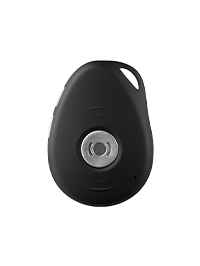
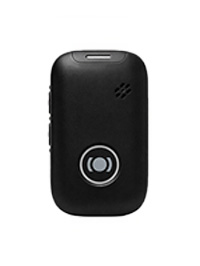
The MiniFinder Pico is a lightweight, easy-to-use GPS tracker designed for children who prefer not to wear a watch or smartwatch. It’s discreet and can be carried in a pocket, backpack, or worn around the neck with an accessory.
For neurodivergent children, this means greater flexibility and comfort—without compromising on safety.
Many children with ADHD, autism, or related conditions experience difficulty coping with sudden transitions or communicating under stress. A device like the MiniFinder Pico empowers them with a sense of control, knowing that help is always just one button away.
At the same time, caregivers gain confidence that their child can explore more freely—while remaining connected and protected.
While the Pico is not a medical device, it functions as assistive technology in many families. It complements other supports like visual schedules, educational aides, or professional therapies.
In some cases, funding or subsidies for such devices may be available through schools, special education programs, or local authorities, depending on region.
Raising a neurodivergent child means balancing supervision with independence. The MiniFinder Pico helps families create that balance—with a reliable, portable GPS tracker designed for real-life situations.
Because when your child feels safe, they can explore more. And when you feel connected, you can breathe easier.
Our ChildCare products are easy to use and come in various models and designs — click here to explore and learn more about them.


Visit our contact page.