

My cart


MiniFinder’s proprietary systems use smart technology and real-time features to enhance safety, security, and control in everyday life.
Our Categories
Selected Products
MiniFinder’s proprietary systems use smart technology and real-time features to enhance safety, security, and control in everyday life.
Our Categories
Selected Products
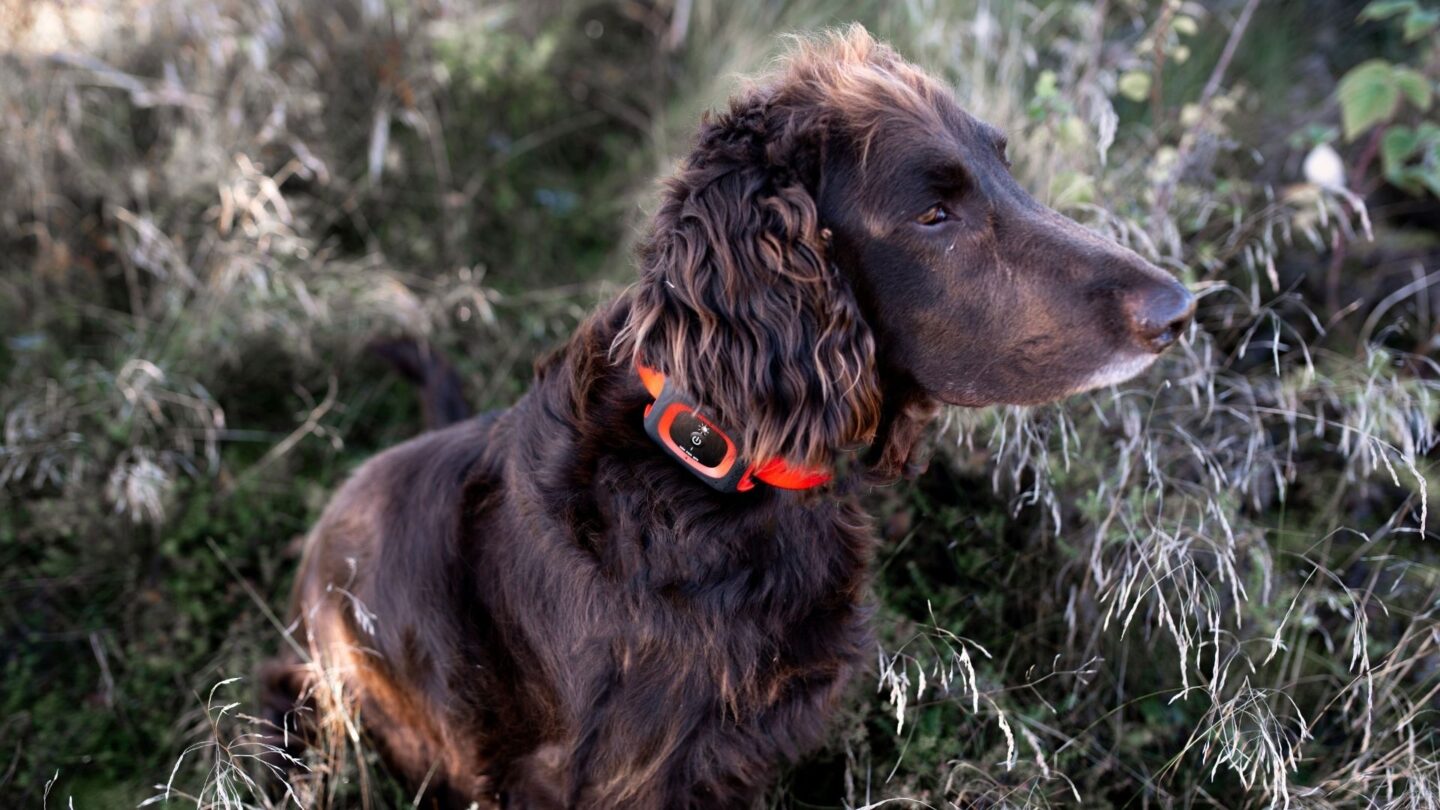
Fallow deer hunting can range from quiet stalking and stand hunting to organised hunts where dogs play an important role. For a successful hunt, the hunting team needs to adapt its approach to the terrain, the deer and the way the dog works. Here, we look at the hunting seasons, common hunting methods and why having a clear overview of the dog’s movements can be valuable during the hunt.
The hunting season for fallow deer in Sweden depends on whether the animal is an antlered male, doe or calf. During certain periods, the permitted hunting method is also restricted. The general hunting seasons apply throughout Sweden:
For anyone hunting fallow deer with dogs, it is important to distinguish between the hunting season for the deer and the period when dogs may be used. Dogs that pursue fallow deer may be used from 1 October to 31 January, but the restriction to stalking or stand hunting from 21 October to 15 November still applies. For regular fallow deer hunting with a pursuing dog, the relevant periods are therefore 1–20 October and 16 November–31 January. See the Swedish Environmental Protection Agency’s information on fallow deer hunting.
Special regulations or decisions on protective hunting may allow hunting under different conditions. Always check the current Swedish hunting regulations and any decisions issued by the relevant County Administrative Board before hunting.
Fallow deer can be hunted in several ways, including stalking, stand hunting and hunting with dogs. The method needs to be adapted to the terrain, the movement patterns of the deer and the conditions of the hunting ground. When hunting with a dog, it is important to use one whose working style is suited to both the game and the area.
When several deer are moving together, extra care is needed before taking a shot. The hunter must be able to identify which animal may legally be taken and make sure that no other animal is standing behind or too close to it. The relationship between a doe and her calf is also an important consideration in responsible hunting.
During organised hunts, shooters and dog handlers should have a clear briefing on stands, shooting directions and communication. Everyone should know which animals may be taken and when the hunt should be stopped.
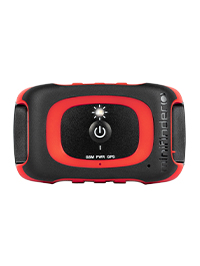
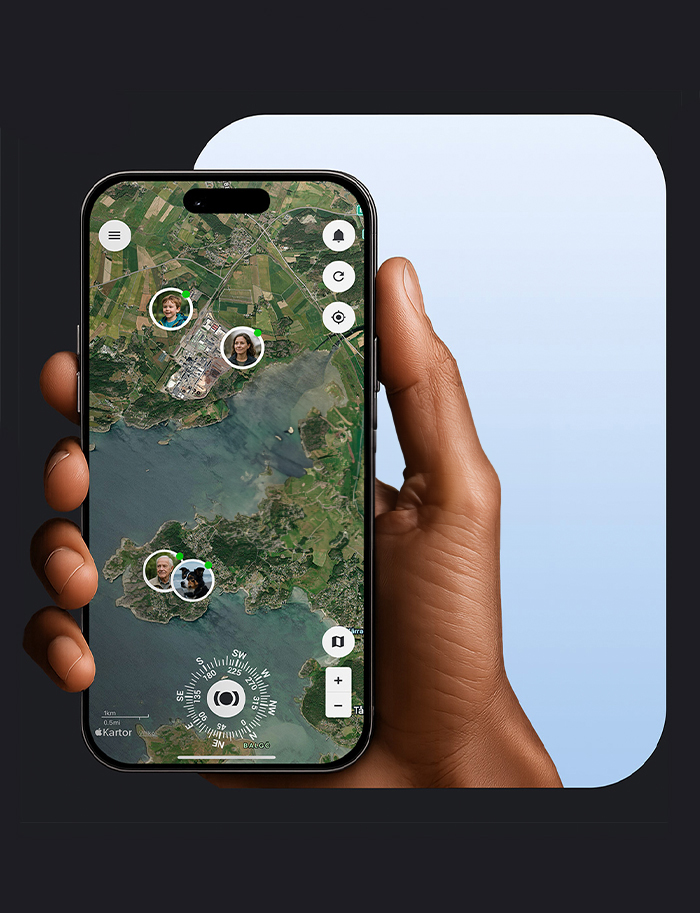
When the dog is working out of sight, being able to follow its movements can be valuable. With MiniFinder Rex, the dog handler can see the dog’s position on the map in the MiniFinder Hunter app. The bark indicator also provides information about when the dog is barking and, together with its movement pattern, can help the handler interpret how the dog is working. Learn more about MiniFinder hunting solutions.
This overview can be particularly useful when the dog approaches roads, railway lines or the boundaries of the hunting ground. A hunting dog GPS is still a complement to good dog handling, local knowledge and clear communication within the hunting team. Barking and location data alone cannot show exactly what is happening out in the terrain.
The hunt also needs to be adapted to the weather, ground conditions and the way the dog works. A dog that is hunting in an unsuitable manner should be called in and leashed as soon as possible, and the game must not be subjected to unnecessary stress.
For hunting teams covering larger areas, a shared overview can make cooperation between dog handlers and shooters easier. To learn more about how GPS works for hunting dogs, visit our hunting dog tracker category.


Visit our contact page.