My cart

MiniFinder’s proprietary systems use smart technology and real-time features to enhance safety, security, and control in everyday life.
Our Categories
Selected Products
MiniFinder’s proprietary systems use smart technology and real-time features to enhance safety, security, and control in everyday life.
Our Categories
Selected Products
Choosing the right personal alarm in 2026 is about creating safety in everyday life. A reliable personal alarm should be easy to use, comfortable to carry, and provide fast access to help when it is needed most. With modern features such as clear alarm buttons, communication options, and mobile connectivity, personal alarms play an increasingly important role in supporting a safe and independent life.

Do you sometimes feel worried about yourself or about loved ones when they go out to shop, walk home from the bus, take an evening walk, or move around in everyday life?
That feeling is far from uncommon. For many, reducing worry and replacing it with a sense of safety can be a great relief, something a personal alarm can help provide.
In 2026, personal alarms have become one of the most in-demand safety solutions. The increased interest reflects a growing need for security, both in everyday life and in the workplace. More and more people are searching for personal alarms that can serve as extra support in vulnerable or threatening situations.
A personal alarm is a wearable safety device designed to be easily carried in everyday life, for example as a small unit, a watch, or another wearable device. Personal alarms are used both privately and in more exposed work environments to increase personal safety and create an added sense of security.
But how does a personal alarm work in practice?
When the user finds themselves in a threatening or vulnerable situation, the alarm can be quickly activated by pressing a dedicated panic button. With a single press, alerts are automatically sent to selected contact persons who can respond and provide assistance if needed. For additional safety, personal alarms can also be connected to an alarm monitoring center, making it possible to quickly summon professional help.
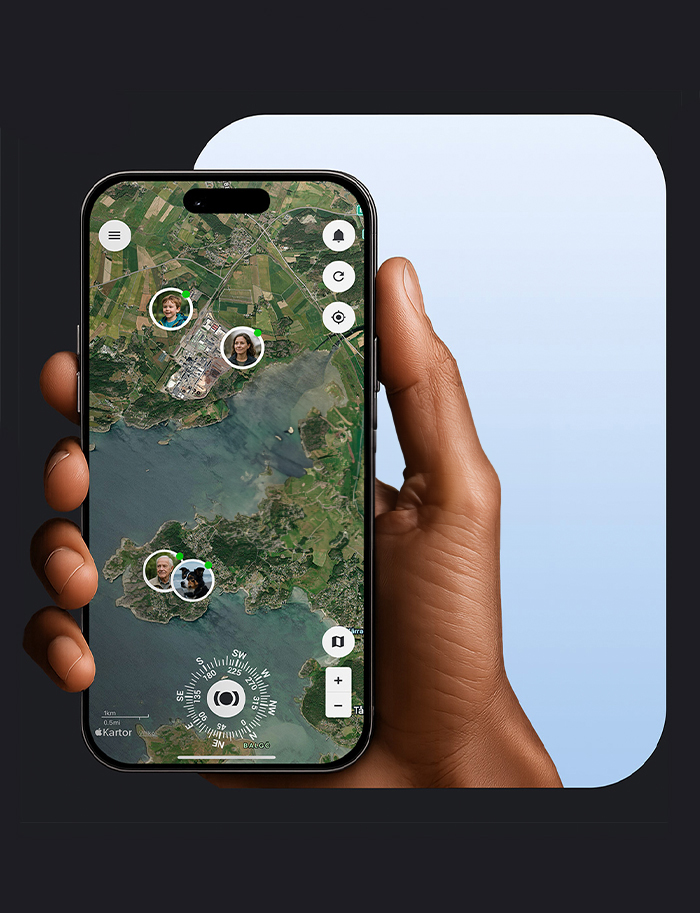
Many personal alarms also make it possible to share the user’s current location in real time, which enables faster assistance and makes it easier for relatives or an alarm center to locate the user.
A personal alarm can be crucial in many different situations, both in private life and in work-related contexts. During lone working or in exposed environments, a personal alarm can provide added security by allowing the user to quickly call for help in the event of an accident or a threatening situation. If something unexpected occurs, such as an injury or a situation that is difficult to handle independently, the personal alarm can be used to signal that help is needed.
In everyday life, a personal alarm can also play an important role. When walking home from school, the bus, training, or during an evening walk, it can increase the feeling of safety for both children and adults. Unsafe environments, loneliness, and limited access to immediate help can create worry, both for the person carrying the alarm and for their relatives. In such situations, the ability to quickly raise an alarm in cases of threats, assaults, or violence can be crucial and, in some cases, life-saving.
A personal alarm should be easy to use and have an easily accessible alarm button to ensure it works when it is truly needed. The alarm should be comfortable to carry and quick to activate in a stressful situation. A personal alarm that requires multiple steps or complicated actions risks not being used in time.
For many people, it is therefore important that the personal alarm is worn close to the body, for example as a watch, a pendant, or a small device in a pocket. This ensures the alarm is always easily accessible if something unexpected happens. Ease of use also means that the alarm should be intuitive to operate, regardless of age or technical experience. This is especially important for children, older adults, and people who spend time alone in everyday life. It is also important that the personal alarm is durable and adapted for different weather conditions, so it can be used year-round without limitations.
Range is a decisive factor when choosing a personal alarm, especially for people who spend a lot of time outdoors. A personal alarm that only works within a limited area may be sufficient in some situations, but for many, a mobile personal alarm with built-in GPS is required. This makes it possible to use the alarm whether you are at home, on your way to work, or out and about.
The GPS function means that the user’s position can be shared in real time when the alarm is activated. This allows contact persons or an alarm monitoring center to quickly see where the user is located. In practice, this can be decisive for how quickly help arrives, especially in situations where the user cannot explain their location themselves.
Battery life is a critical factor for how reliable a personal alarm is in practice. A personal alarm that needs frequent charging risks being out of power at the wrong moment, which can create a false sense of security. For people who spend long periods outdoors, commute frequently, or do not always have the opportunity to charge their alarm daily, long battery life is especially important.
A reliable personal alarm should therefore have good battery capacity as well as clear warnings when the battery level is low. This reduces the risk of the alarm running out of power without the user being aware of it. Operational reliability is a central part of safety, and a personal alarm should function consistently, whether it is used often or only occasionally.
Fall detection is an important safety feature in a personal alarm, especially in situations where the user is unable to activate the alarm manually. In the event of a sudden fall caused by an accident, illness, or violence, the fall detection function can automatically activate and send alerts to selected recipients.
By responding to sudden and unusual movement patterns, fall detection provides extra protection even when a situation escalates quickly. The function acts as a complement to the manual alarm button and can be crucial in threatening environments, during lone working, or in situations where the user loses control of the situation. In this way, fall detection helps ensure that the personal alarm provides safety even when the user is unable to act themselves.
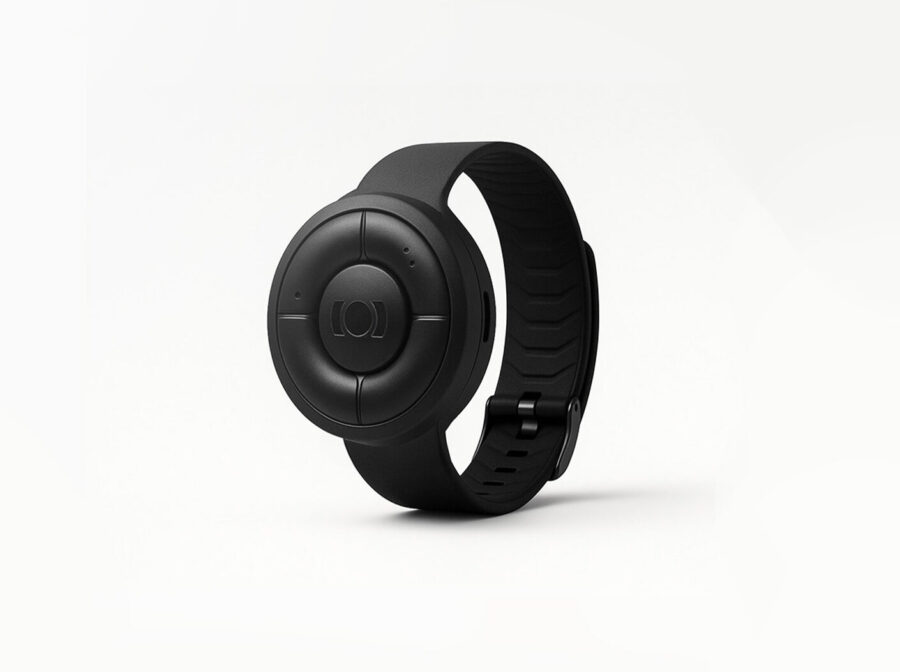
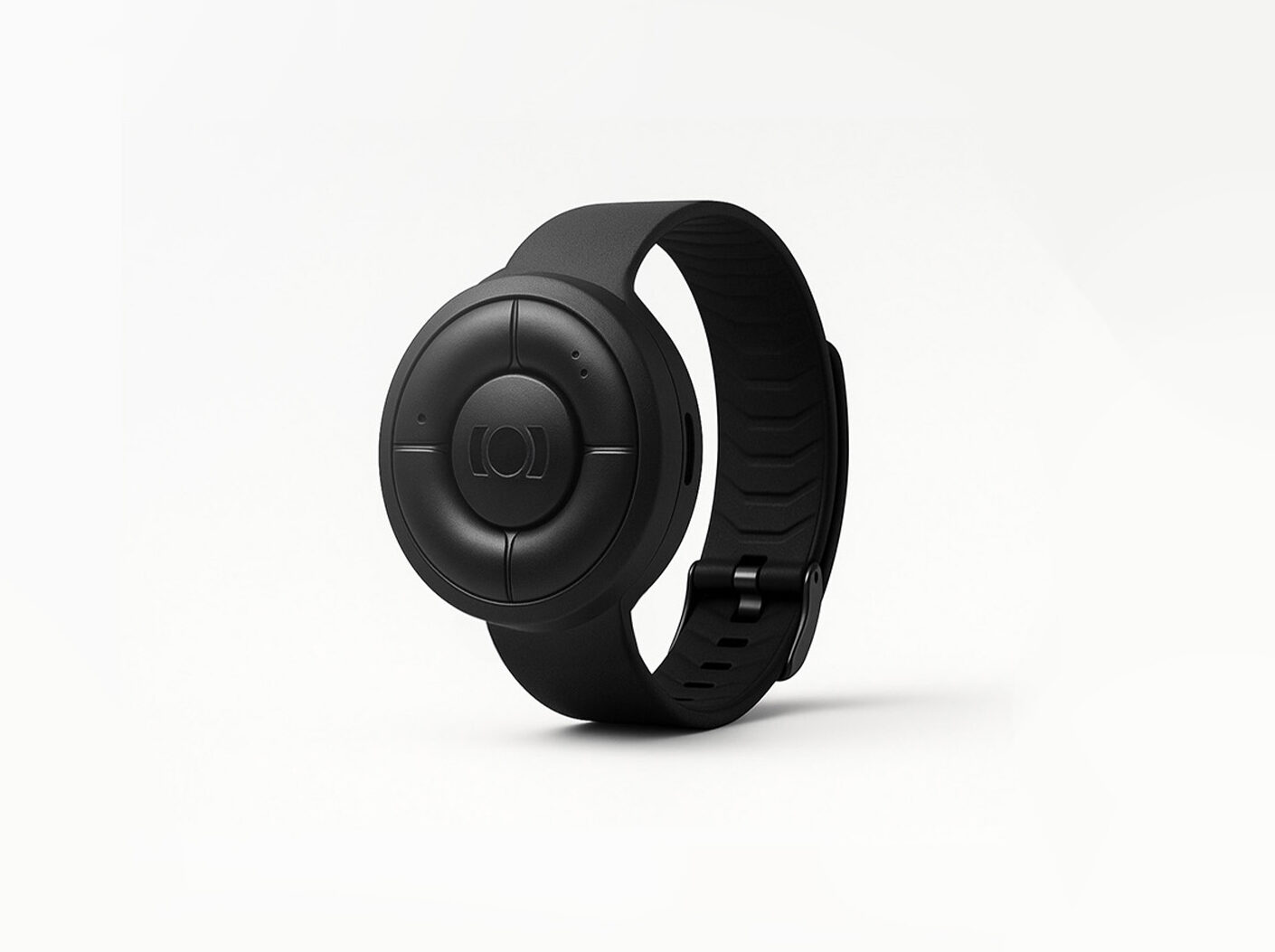
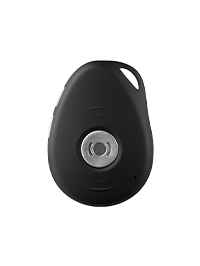
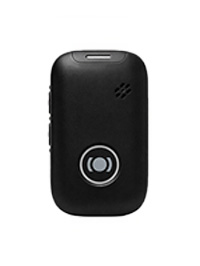
MiniFinder Pico is a modern personal alarm that combines fast alert activation with ease of use and mobile connectivity. The device is equipped with a clear panic button that makes it possible to quickly alert selected contact persons in a threatening or vulnerable situation. Through the built-in calling function, the user can also communicate directly with the alarm recipient and explain what has happened.
For additional security, MiniFinder Pico can be connected to an alarm monitoring center, enabling fast professional assistance when required. The device is also equipped with fall detection that automatically activates in the event of sudden falls, for example due to illness or accidents.
Thanks to its compact size, MiniFinder Pico is easy to carry in everyday life, for example in a bag or worn around the neck. The mobile personal alarm also works during power outages and roams freely between networks to ensure the best possible connectivity, making Pico a reliable personal alarm in many different situations.
Choosing the right personal alarm is fundamentally about creating safety in everyday life, both for yourself and for your loved ones. In 2026, personal alarms have become an increasingly important part of safety solutions, as the need for rapid assistance and increased security has grown across society. People are seeking solutions that provide fast help in threatening or vulnerable situations, both privately and in the workplace. A well-adapted personal alarm can make a significant difference, both for the person carrying the alarm and for relatives who want to feel reassured.
A good personal alarm should be easy to use, comfortable to carry, and function in the environments where it is actually needed. Features such as a clear alarm button, communication capabilities, long battery life, and support for outdoor use are important factors to consider. For many, fall detection and connection to an alarm monitoring center can also be decisive in feeling safe in everyday life.
By choosing a personal alarm that is adapted to your needs and lifestyle, you can reduce worry and increase your sense of security. With modern solutions like MiniFinder Pico, the development shows that safety technology will continue to play an increasingly important role in supporting a safe, independent life in the future.


Visit our contact page.