
My cart

MiniFinder’s proprietary systems use smart technology and real-time features to enhance safety, security, and control in everyday life.
Our Categories
Selected Products
MiniFinder’s proprietary systems use smart technology and real-time features to enhance safety, security, and control in everyday life.
Our Categories
Selected Products
When someone you care about lives alone, your perspective changes. What once felt like everyday life can quickly become associated with concern. What happens if something occurs and no one notices in time?
At the same time, most people want to continue living independently, in their own home, with their routines and freedom intact. It is precisely in this balance between independence and safety that digital care technology has taken on an increasingly important role.
Today, this is no longer about future solutions. The technology is already here and used every day to create a safer everyday life, both for the user and their loved ones.
In simple terms, digital care technology refers to solutions that make it possible to quickly get help when something happens. In practice, however, it goes far beyond that.
It enables a continuous sense of presence without requiring someone to be physically there. With smart technology, the user can initiate contact themselves, while the system can also respond automatically to certain events, such as a fall.
Rather than replacing human care, technology acts as a complement. It fills the gaps between visits, calls and supervision, ensuring that help can be provided exactly when it is needed.
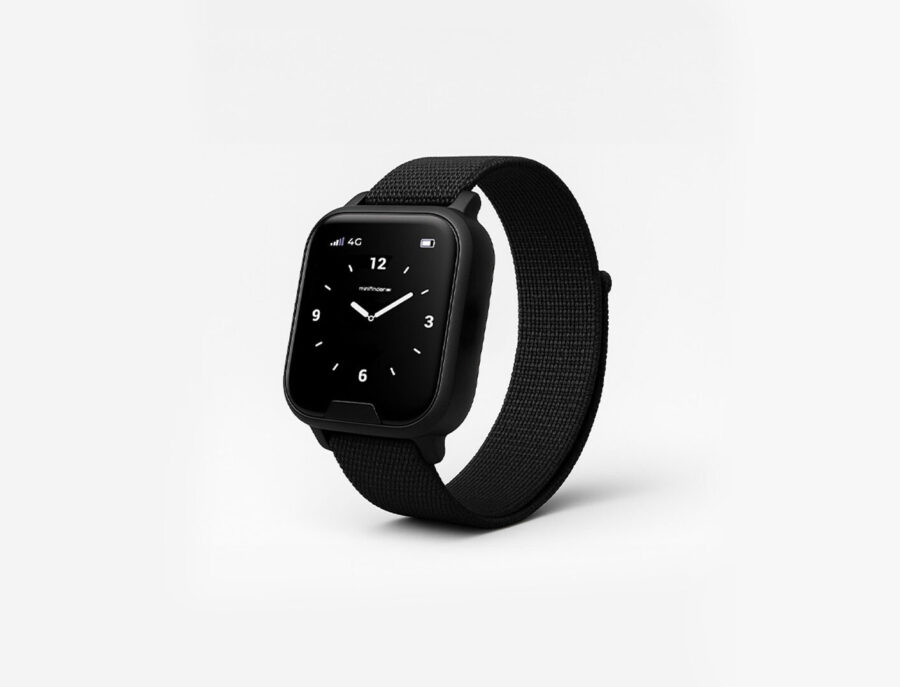
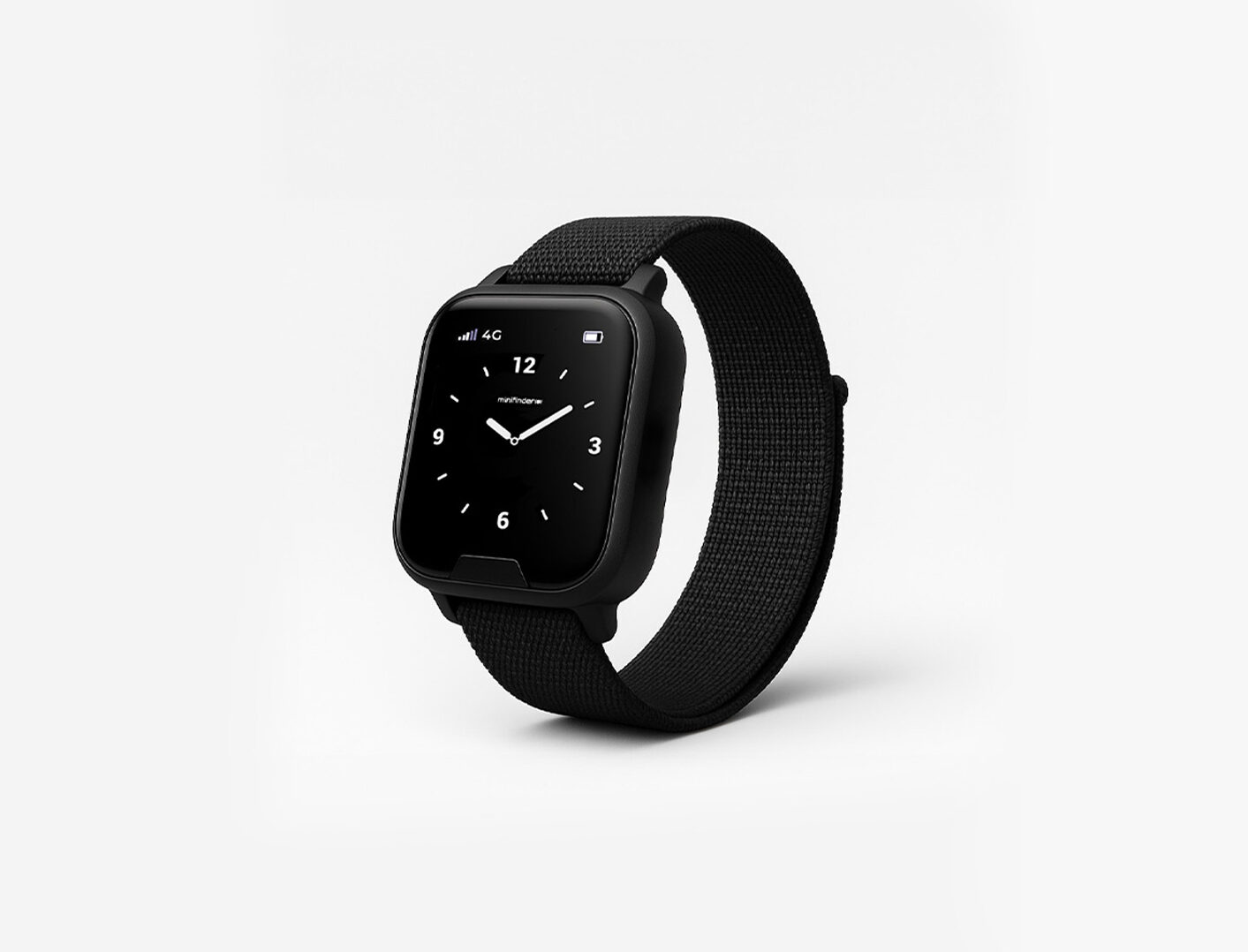
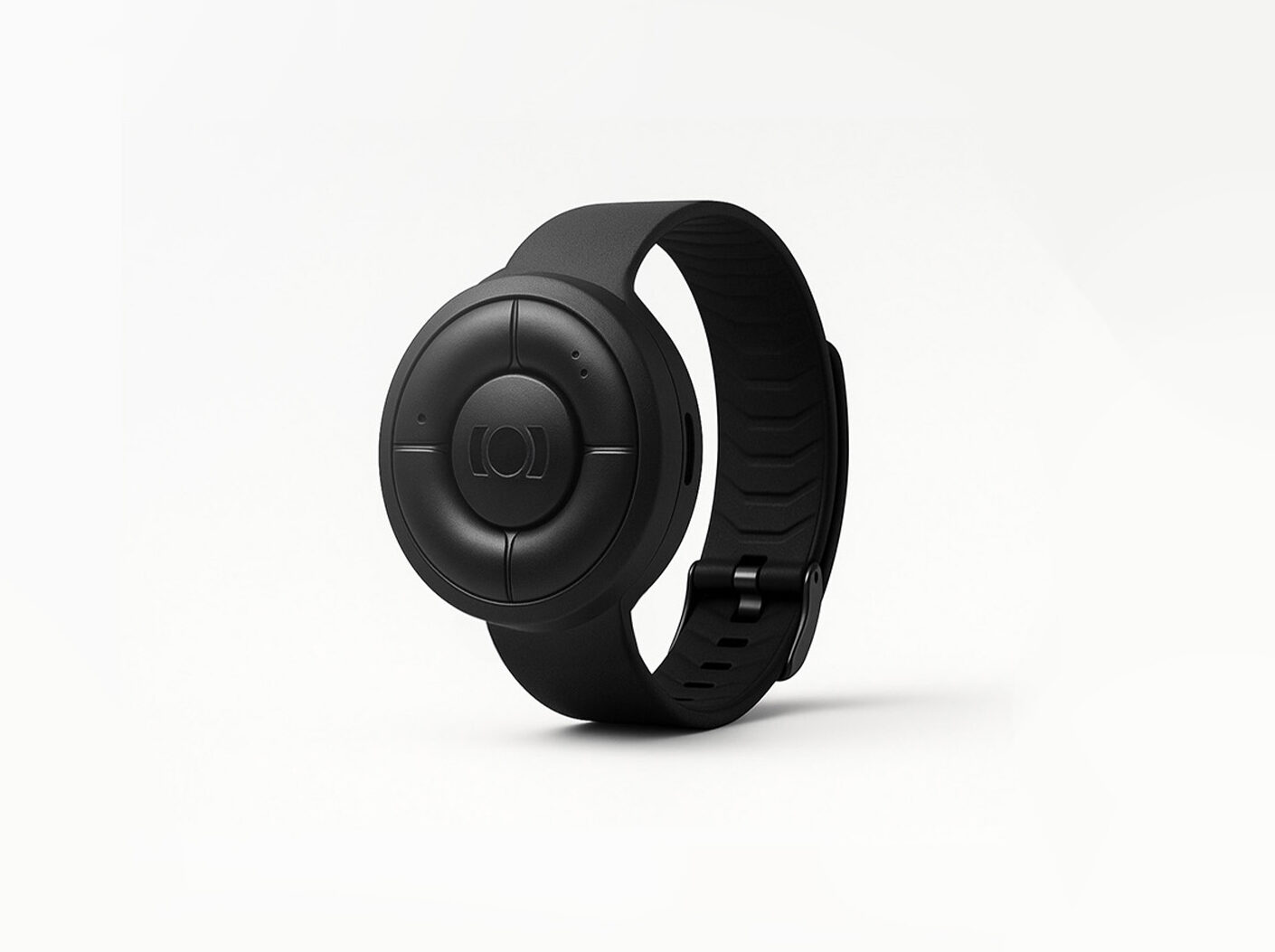
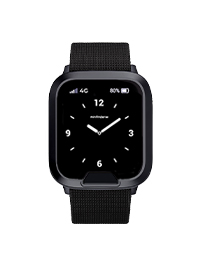
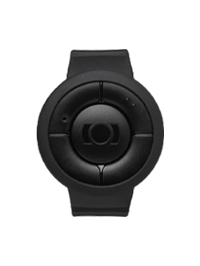
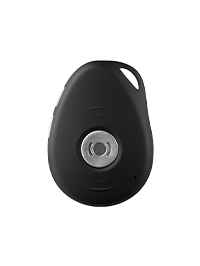
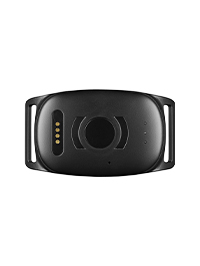
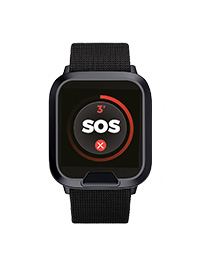
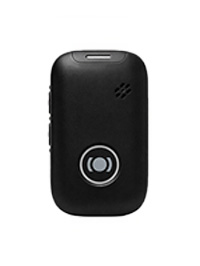
The development in this field has been rapid, and today there are several types of solutions used within care. One common example is personal safety alarms, which can be worn as a small device or integrated into a watch. With a simple press of a button, the user can quickly get in touch with family members or an alarm centre.
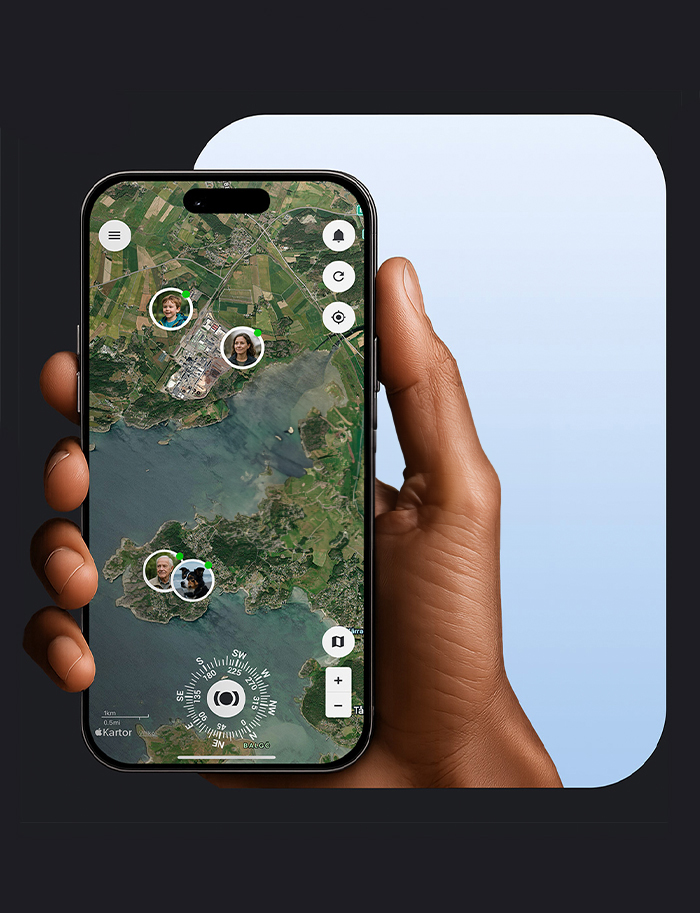
In addition, there are features such as automatic fall detection, medication reminders that help create daily routines, and solutions that enable easy communication directly through the device. In some cases, location sharing is also included, which can be crucial if someone does not return home as expected or needs help outside the home.
What these solutions have in common is that they are designed to be easy to use, while relying on advanced technology in the background.
To truly understand the value of digital care technology, it is not enough to know that it exists. What matters is what actually happens when something goes wrong.
Imagine a person suddenly losing balance and falling. At that very moment, the alarm is activated, either automatically or by pressing a button. What follows is a fast and structured chain of events:
This is where the real value becomes clear. Not in the alarm itself, but in how quickly and smoothly the entire chain works, from incident to action.
When the technology works as intended, it is barely noticeable in everyday life. Yet the impact is significant, both for the user and those around them.
For the user, it provides a greater sense of security without sacrificing independence. There is reassurance in knowing that help is always within reach, without needing someone physically present.
For family members, it reduces constant worry. Instead of wondering whether everything is okay, they have a direct connection to the situation if something happens.
For care providers, digital solutions also create more efficient workflows. Resources can be used where they are needed most, with actions based on real needs rather than uncertainty.
Digital care technology has quickly evolved from being a complement to becoming a central part of how safety is created in everyday life.
It is not just about technology, but about enabling a life where independence and security can coexist. When these systems work as intended, they provide a level of reassurance that may go unnoticed in the moment, but makes all the difference when it truly matters.
Common questions about digital care technology.
Digital care technology refers to solutions that improve safety and support in everyday life, such as personal alarms, safety watches and medication reminders.
A personal alarm is activated by pressing a button or automatically through sensors. The alert is sent via the mobile network to a contact or alarm centre, enabling a quick response.
Yes, many solutions allow family members to receive real-time notifications through an app, so they can respond immediately.
Yes, many modern solutions function both indoors and outdoors, providing safety wherever the user is located.


Visit our contact page.