My cart

MiniFinder’s proprietary systems use smart technology and real-time features to enhance safety, security, and control in everyday life.
Our Categories
Selected Products
MiniFinder’s proprietary systems use smart technology and real-time features to enhance safety, security, and control in everyday life.
Our Categories
Selected Products
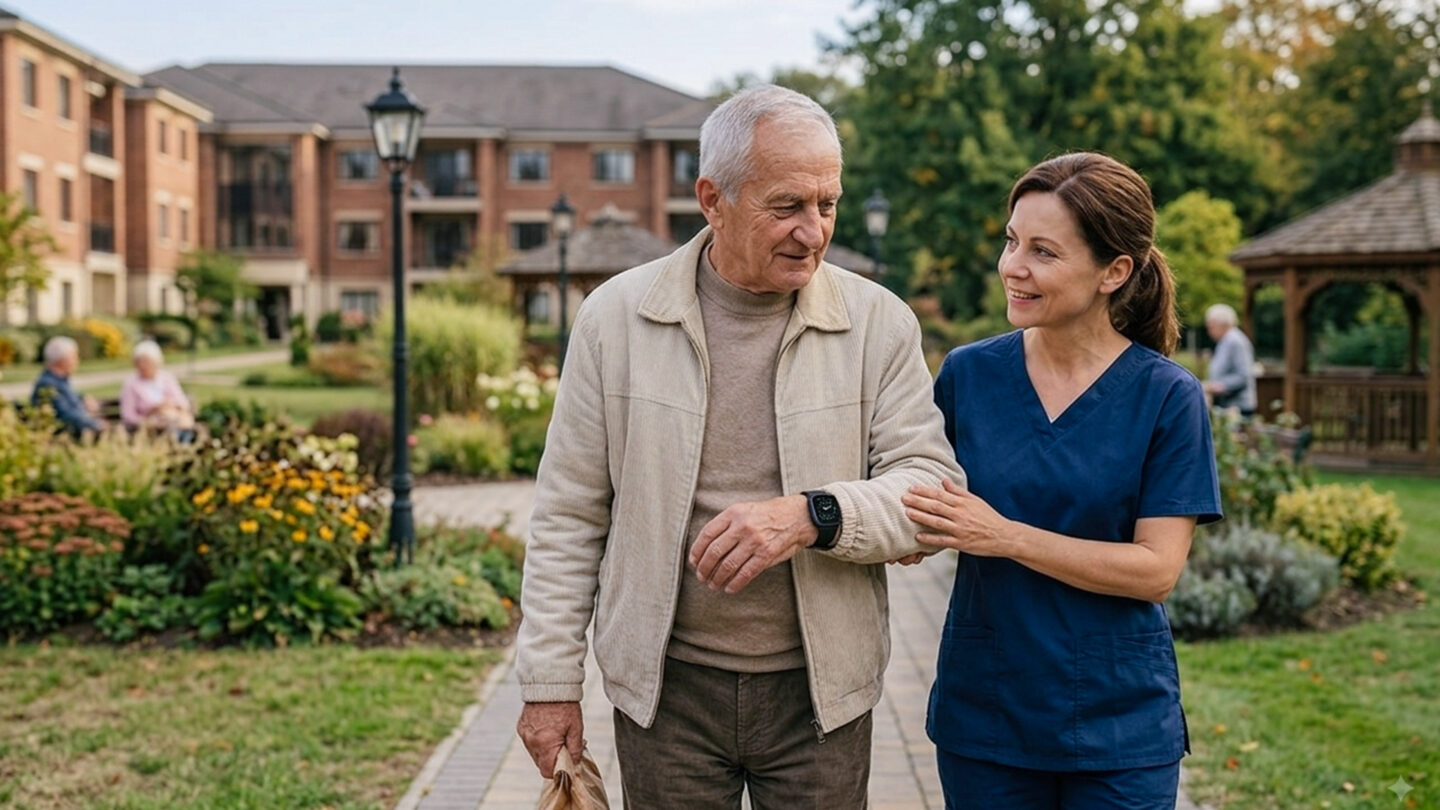
Safety in care is not only about making sure help is available when something happens. It is just as important to create the right conditions for people to continue living an active and independent life. Traditional personal alarms have long played an important role in care, but as everyday needs change, the technology needs to keep up.
Traditional personal alarms in the home still serve an important purpose. At the same time, there are situations where safety needs to extend beyond the front door. A mobile personal alarm with GPS can provide greater freedom of movement while giving care staff or other authorised contacts access to important information if something happens. MiniFinder solutions for care are developed for use in areas such as elderly care, disability services and home care.
A traditional personal alarm at home is usually connected to a base station in the residence and relies on the home connection. This limits its use when the person leaves their home. For someone who spends most of their time at home, this may be enough. The limitation becomes more noticeable when the user wants to go for a walk, visit a friend, go shopping or take part in other activities outside the area where the alarm works.
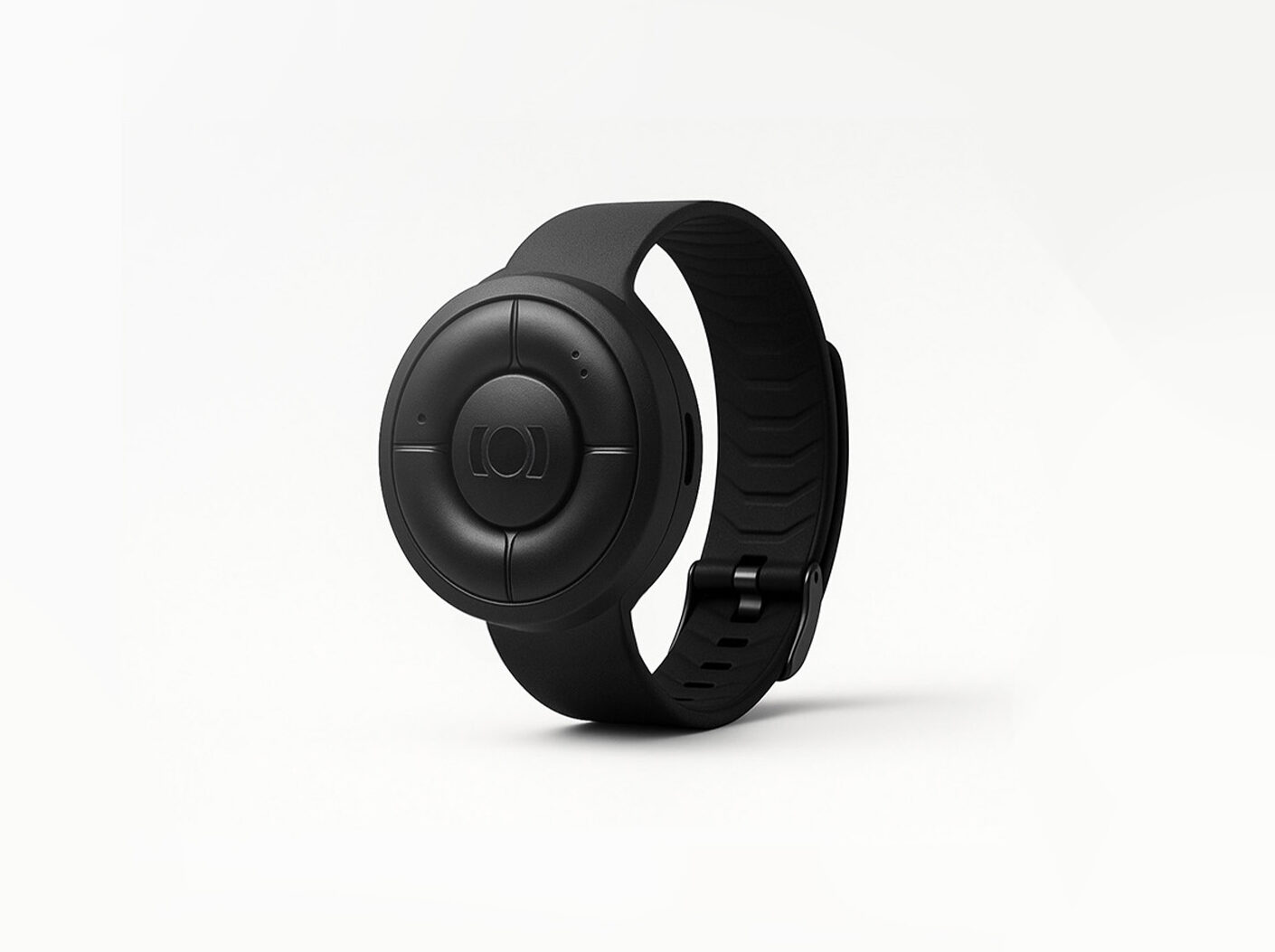
A mobile personal alarm is designed to stay with the user. With GPS and mobile connectivity, the alarm can also be used outside the home. Depending on the solution, features can include an SOS button, fall alarm, real time positioning, safety zones and two way communication. This means that safety does not have to be tied to one specific place.
A mobile personal alarm is a portable personal safety device that can be used both at home and when the person is out and about. Using GPS and mobile connectivity, the alarm can provide information about the user’s position when the situation requires it.
Depending on the model and how the system is configured, a mobile personal alarm can offer:
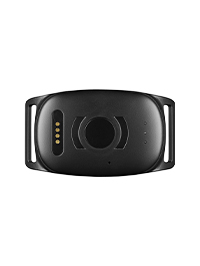
MiniFinder offers mobile personal alarms that combine several of these functions in one solution and can be managed through MiniFinder Live.
It is easy to think of safety simply as reducing risks. In care, however, safety also needs to be balanced with the individual’s ability to continue doing the things that matter in everyday life. Being able to go outside, move around the local area or manage certain activities independently can have a significant impact on both independence and quality of life.
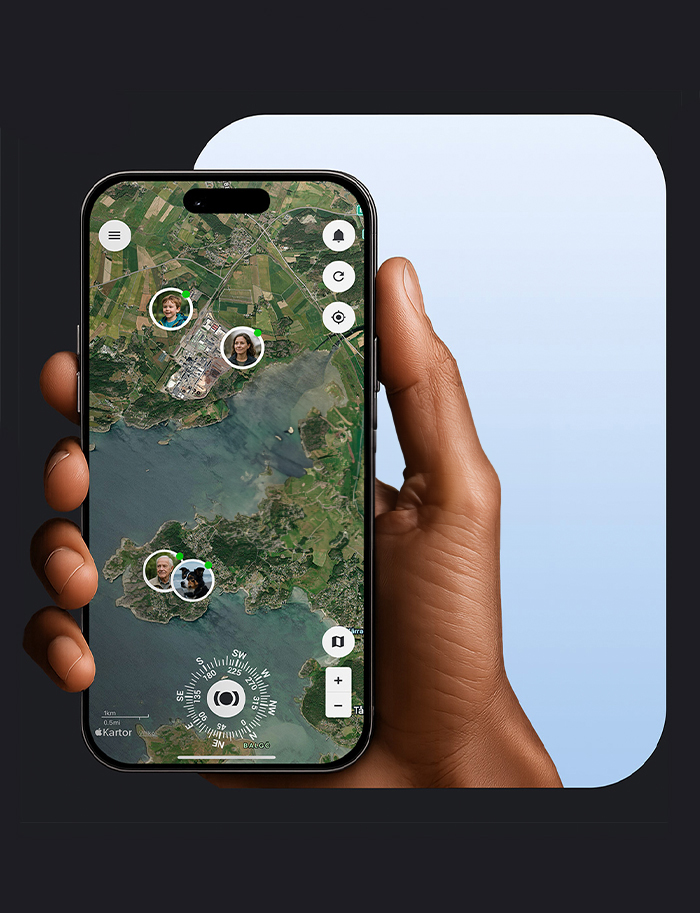
This is where the difference between a fixed and a mobile personal alarm becomes important. If the safety solution only works at home, it can indirectly create a boundary around where the person feels safe. A mobile personal alarm can instead follow the user throughout the day and provide additional reassurance when they leave home. With GPS, authorised users can see the person’s position when there is a need to do so.
For care staff, the value of a personal alarm goes beyond the alarm button itself. A modern solution can provide better information about what has happened and help staff assess the situation more quickly. If an alarm includes the user’s current position, for example, less time needs to be spent determining where the person is before assistance can be provided.
Digital alarm management can also make it easier to establish clear routines around who receives and handles an alarm. MiniFinder Live can be used for digital supervision and real time alarm management, giving staff access to relevant information within the same system.
Not every situation begins with the user pressing an alarm button. For people who may have difficulty finding their way, a safety zone can provide additional support. A geographical area is defined in the system and a notification can be sent if the user leaves the selected area.
This allows staff or other authorised users to become aware of a change earlier. Technology does not replace human care or individual assessments, but it can give staff better conditions to identify situations where someone may need assistance. MiniFinder mobile personal alarms support virtual safety zones and real time positioning.
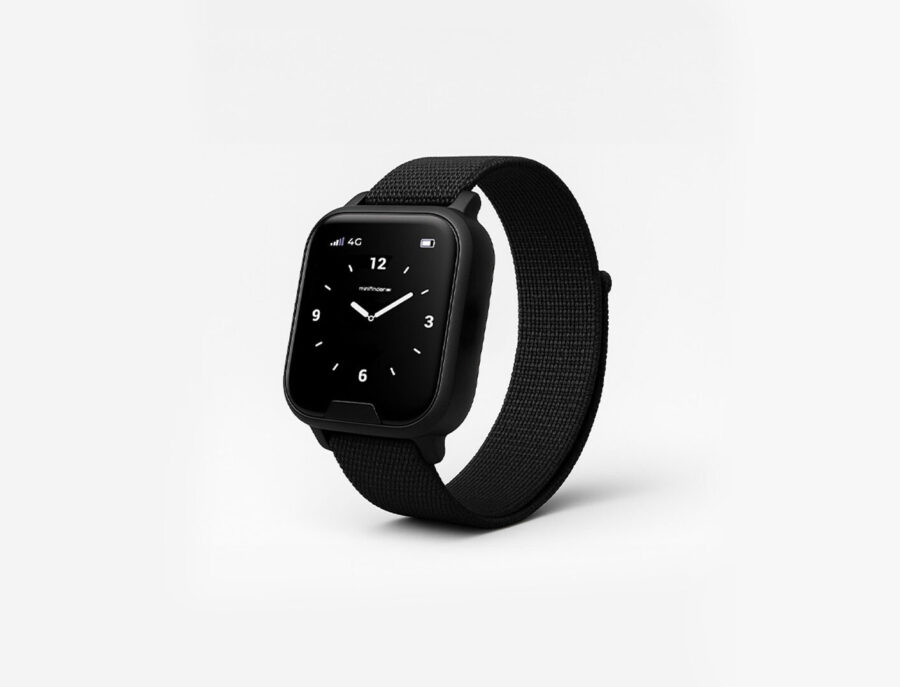
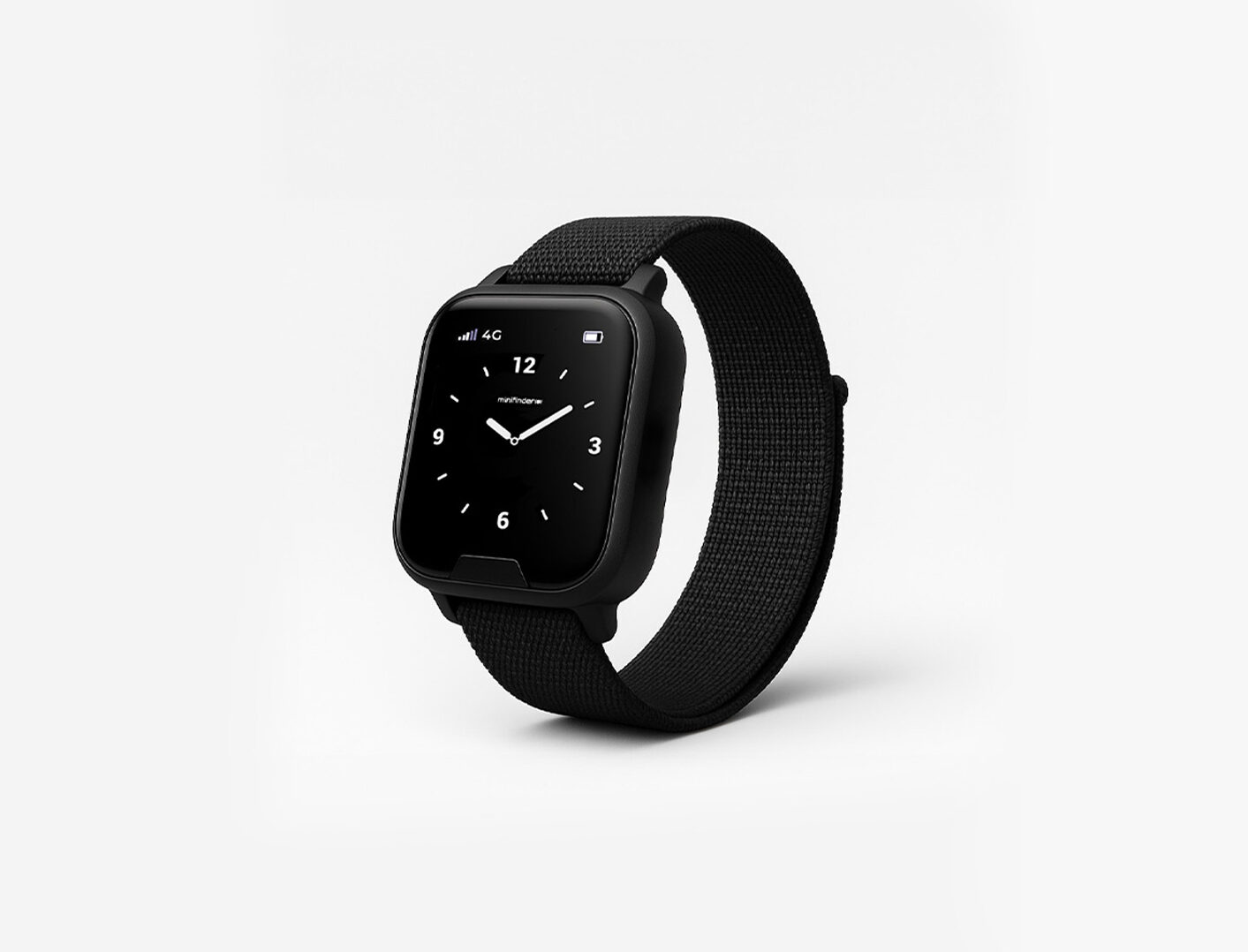
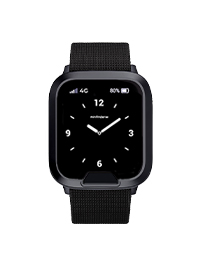
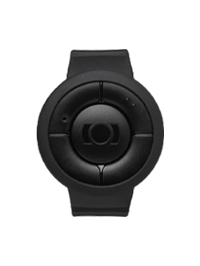
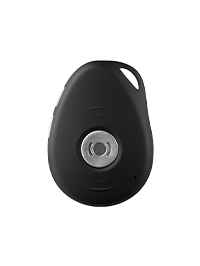
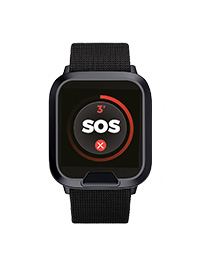
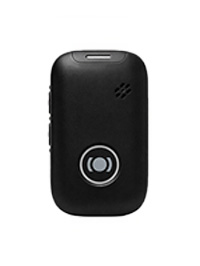
More technology does not automatically mean better care. For a personal alarm to provide real value, it needs to suit the person using it. For some people, a personal alarm watch feels natural because it is worn on the wrist. For others, a smaller personal alarm that can be worn as a pendant or carried in another way may be easier.
The important thing is that the user feels comfortable with the solution and understands how it works. Staff routines also need to be clear. Who receives the alarm? What happens when a fall alarm is triggered? When should positioning be used? Who is responsible for charging the device? When technology is combined with well planned routines, it becomes a useful part of care rather than another task for staff to manage.
Fixed personal alarms will continue to play an important role for people who mainly need additional safety at home. But modern care is increasingly focused on creating opportunities for independence outside the home as well. This is where a mobile personal alarm can provide additional possibilities.
Ultimately, the choice is not simply about which technology is the most advanced. It is about finding the solution that best supports the person in the life they want to live. When safety can follow the user beyond the home, technology can contribute to greater freedom for the individual and better conditions for the staff who are there when help is needed.
Find answers to common questions about mobile personal alarms
A mobile personal alarm is a portable safety device that uses mobile connectivity and GPS. Unlike many traditional home personal alarms, it can also be used when the person leaves their home, providing additional safety during walks, activities and everyday errands.
A mobile personal alarm uses GPS to determine the user’s position. When needed, authorised users can see the position and receive important information in connection with an alarm. Depending on the device, additional functions can include an SOS button, fall alarm, safety zones and two way communication.
Yes. A mobile personal alarm can be used as a complement to a traditional personal alarm at home. The fixed alarm can provide additional safety within the residence, while the mobile personal alarm can stay with the user when they go for a walk, visit the shops or take part in other activities. This makes it possible to adapt the safety solution to the person’s everyday life and individual needs.


Visit our contact page.