
My cart


MiniFinder’s proprietary systems use smart technology and real-time features to enhance safety, security, and control in everyday life.
Our Categories
Selected Products
MiniFinder’s proprietary systems use smart technology and real-time features to enhance safety, security, and control in everyday life.
Our Categories
Selected Products
Technology Enabled Care (TEC) uses digital technology to help people stay safe, independent and supported without care staff always needing to be physically present. It can include personal alarms, remote monitoring, sensors, medication reminders and GPS-enabled devices. When used appropriately, TEC can support greater independence while helping care providers respond more effectively when support is needed.
Technology Enabled Care is a broad term used in the UK for technology and services that support safety, wellbeing and independence. It can include personal alarms, fall detection, GPS devices, sensors and other forms of remote support. TEC does not replace face-to-face care, but can complement it in situations where physical presence is not always necessary.
The terms telecare, remote monitoring and personal alarms are often used within the same area. Telecare commonly refers to personal alarms and monitoring systems, while remote monitoring provides information about a person's situation without staff being physically present. A mobile personal alarm allows the user to call for help and, depending on the solution, may also provide functions such as fall alerts and location information. Different technologies can therefore form part of the same care approach while serving different purposes.
TEC is used across adult social care, including home care, supported living and services for people who need additional support to live independently. It may be used for fall alerts, medication reminders, location support, night-time reassurance or simply to give someone an easy way to call for help. For many people, the main benefit is having additional support available without limiting everyday independence.
The starting point should always be the person's actual need rather than the technology itself. A care provider may want to improve alarm response, support someone when they leave home or reduce unnecessary routine checks. GPS-enabled personal alarms can be particularly useful when support also needs to extend beyond the home, allowing authorised recipients to receive an SOS alert together with location information. Whatever technology is used, clear routines are needed so staff know who receives an alert, how it should be assessed and what action should follow.
For the person receiving care, TEC can provide additional safety without unnecessarily interrupting everyday life. Someone who remains largely independent may feel more confident going for a walk, shopping or carrying out daily activities while still having a way to call for assistance. For care providers, digital alerts and information can help staff focus their time on situations where physical support is genuinely required.
Technology does, however, have clear limitations. A device may detect a fall or show where someone is located, but it cannot provide physical assistance by itself. Mobile coverage, battery level, internet connectivity and whether the person is wearing the device can also affect how well a solution works. Privacy is equally important, and users should understand what information is collected, when the technology is used and who can access the information.
Needs can also change over time. Changes in health, mobility or care requirements may mean that more face-to-face support becomes necessary, while in other situations technology may give the person greater independence. TEC should therefore be reviewed regularly as part of the wider care plan rather than treated as a fixed solution.
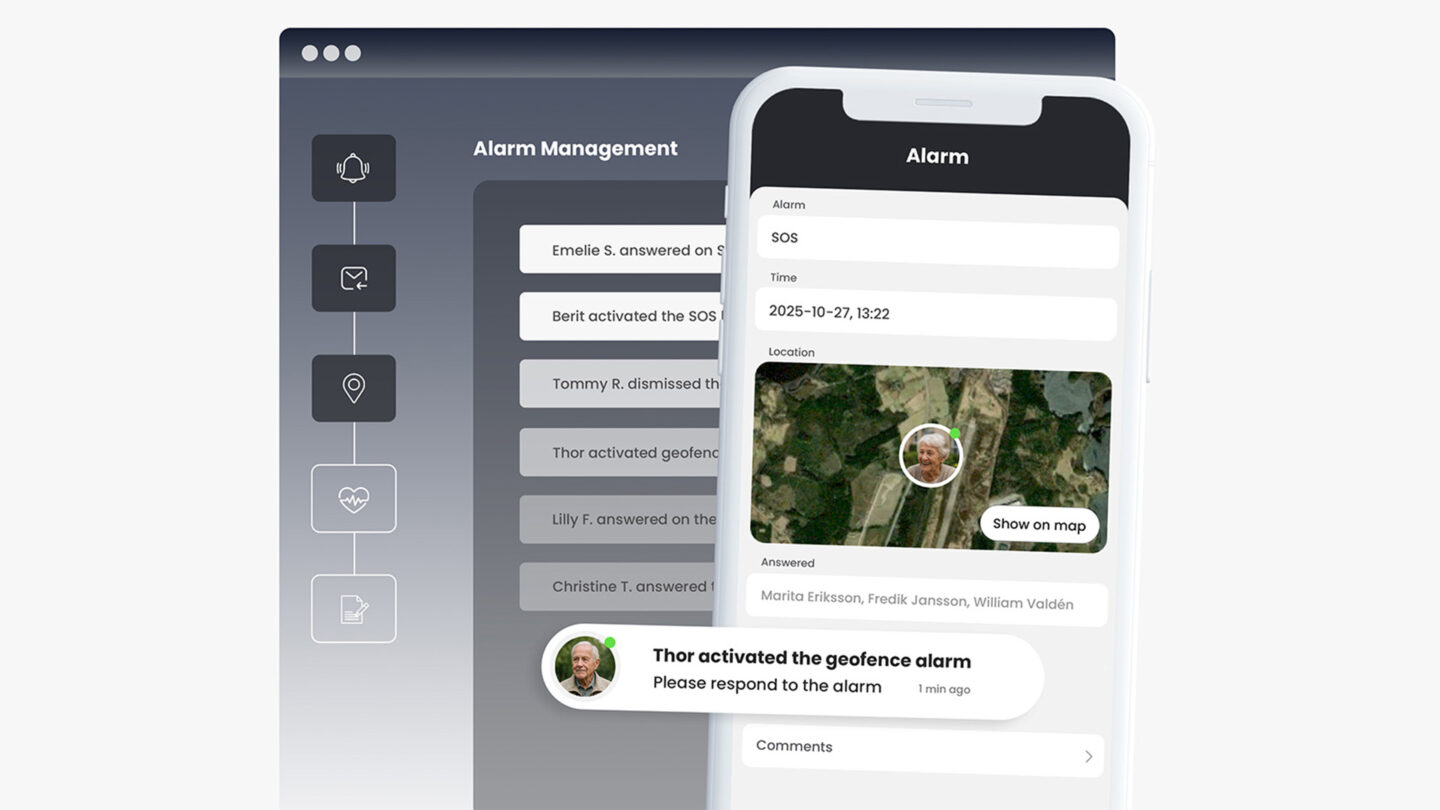
MiniFinder provides TeleCare solutions that combine mobile personal alarms with MiniFinder Live. The wearable device provides the direct connection to the user, while MiniFinder Live brings alarms, location information and previous events together for authorised users. Staff can receive and acknowledge alerts, view real-time positions and follow up events in one system.
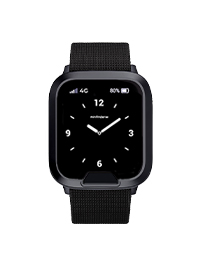
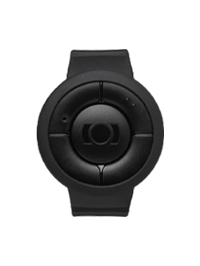
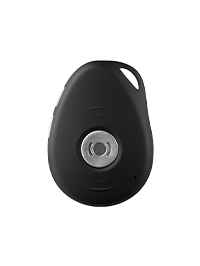
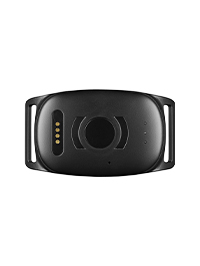
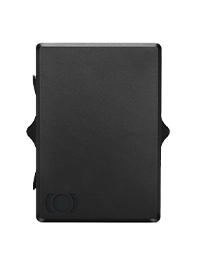
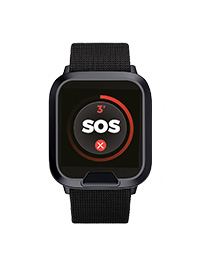
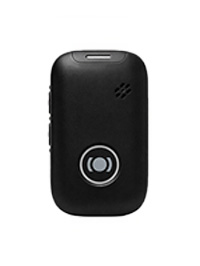
MiniFinder Live also supports reminders that can be used for medication and daily routines. Depending on the person's needs, the platform can be used with MiniFinder Watch, MiniFinder Nano and MiniFinder Pico. Through structured alarm management, care teams can manage alerts more clearly while mobile personal alarms provide support both at home and when the user is out.
Here you can find answers to common questions about Technology Enabled Care (TEC), mobile personal alarms and digital support in social care.
MiniFinder Live connects the mobile personal alarm with the people responsible for responding to alerts. Authorised users can receive and acknowledge alarms, view location information, review previous events and use reminders for medication and daily routines.
In some situations, TEC can reduce the need for routine checks where no physical assistance is required. It cannot replace care where someone needs practical help, personal support or an assessment in person.
They can be used in settings such as home care, supported living and other services where people need additional support to live independently. The most suitable device and alarm process depend on the organisation's working practices and the individual's needs.


Visit our contact page.