

My cart



MiniFinder’s proprietary systems use smart technology and real-time features to enhance safety, security, and control in everyday life.
Our Categories
Selected Products
MiniFinder’s proprietary systems use smart technology and real-time features to enhance safety, security, and control in everyday life.
Our Categories
Selected Products

Threatening situations, theft and robberies can make retail employees feel unsafe at work. The risks are not limited to serious robberies but can also arise during closing hours, cash handling or encounters with aggressive customers. Protecting cashiers and other retail employees therefore involves both preventing risks and ensuring staff can quickly raise the alarm if something happens.
A disagreement at the checkout or an incident involving suspected shoplifting can quickly become threatening. Employees working alone may feel particularly vulnerable, especially during evening shifts or when closing the shop.
In these situations, having an easily accessible alarm can make it easier to call for help without needing to reach for a phone. Clear procedures are also essential so that staff know who receives the alarm and how the recipient should respond.
A wearable panic alarm stays with the employee throughout the working day. Unlike a fixed alarm button at the checkout, it can remain within easy reach in the stockroom, staff areas or car park.
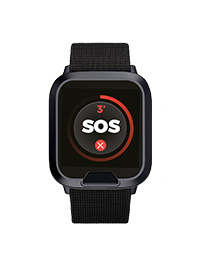
When comparing solutions such as MiniFinder Veo, it is important to check how the alarm is activated, who can receive alerts and how location tracking works inside your premises. Location information can help responders find the person who raised the alarm, but GPS should not be expected to provide an exact indoor location in every situation. The solution should therefore be tested in the environments where employees will use it.
A panic alarm should be combined with preventive safety measures. Reducing cash handling, providing adequate lighting, securing doors and establishing clear opening and closing procedures are all examples of measures that can form part of a shop's security arrangements. Employees also need to know how to respond to threats and how to use the alarm.
Start by assessing the risks in your own workplace. Where do potentially unsafe situations occur? When do employees work alone? What happens when a member of staff raises the alarm? Answering these questions makes it easier to choose measures that work together and provide employees with support in their daily work.
Start by deciding who should receive alarms and what assistance they can arrange. Check whether the solution can be connected to an alarm receiving centre or send alerts to designated colleagues and managers through an app, such as MiniFinder Live. Make sure someone is available to receive and respond to alarms throughout employees' working hours.
Test how the alarm works both indoors and outdoors, and choose a solution that is comfortable to wear and easy to use throughout a shift. For retail chains with multiple locations, the ability to manage alarms centrally can also be valuable.
Choosing the right personal safety alarm for retail starts with understanding employees' needs and the shop's existing procedures. When everyone knows how to use the alarm and what happens when it is activated, it can contribute to a safer working environment.
To learn more about personal safety alarms in workplaces where employees face risks from lone working or threatening situations, visit our page on personal safety alarms for businesses or explore MiniFinder Veo.


Visit our contact page.