


Warenkorb


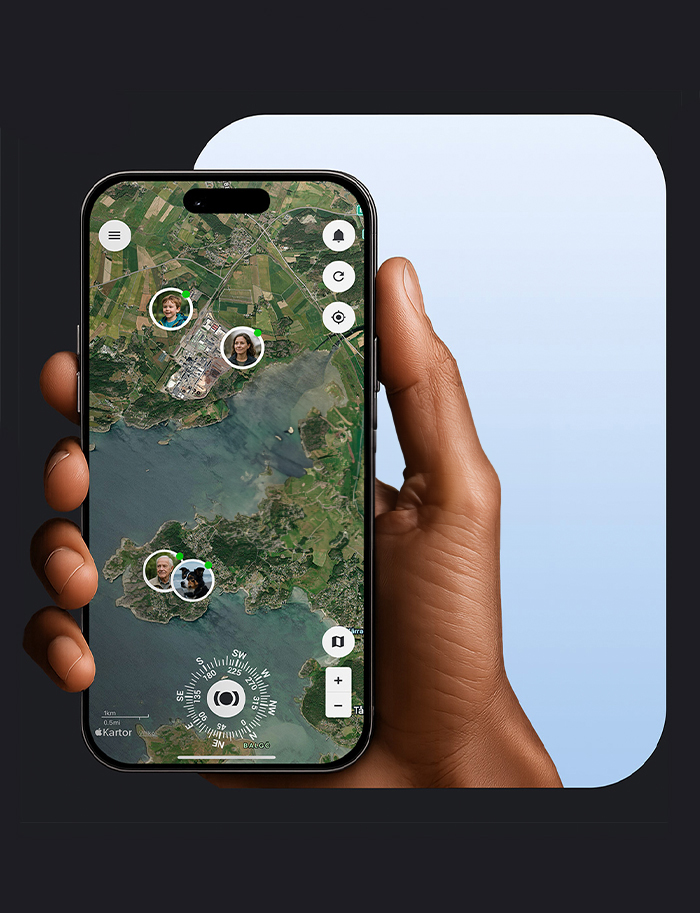
Die von MiniFinder entwickelten Systeme nutzen intelligente Technologie und Echtzeitfunktionen, um Sicherheit, Schutz und Kontrolle im Alltag zu erhöhen.
Unsere Kategorien
Ausgewählte Produkte
Die von MiniFinder entwickelten Systeme nutzen intelligente Technologie und Echtzeitfunktionen, um Sicherheit, Schutz und Kontrolle im Alltag zu erhöhen.
Unsere Kategorien
Ausgewählte Produkte

Wild boar hunting with a dog is a traditional and exciting activity that has grown in popularity over the years. This form of hunting requires great knowledge, the right equipment and skilled hunting dogs to successfully and safely track, hunt and handle wild boar. The hunt places high demands on both the hunter and the dog, where cooperation and understanding are the keys to a successful hunt.
During the 2000s, Sweden has seen a marked increase in the wild boar population, which has led to an increased interest in wild boar hunting. About 20 years ago, the tribe consisted of about 5,000 animals - today it is believed to consist of about 300,000. The marked increase can be partially attributed to changes in the landscape and climate that favor reproduction and survival. As a result, hunting has become an increasingly important part of game management, with the goal of balancing the population and reducing the damage they cause to farmland and traffic.
Wild boars are normally not dangerous. They see poorly, but can become aggressive if they feel threatened, protect their young or are injured. They are powerful animals with sharp tusks that can cause serious injuries.
On the other hand, it is considered one of the more challenging and potentially dangerous game animals that pose high risks for both hunter and hunting dog, which requires experience and caution. With an understanding of its nature and behavior, it is possible to adapt the hunt accordingly.
Most injuries to wild boar dogs occur at the end of the hunting season, i.e. in January (see hunting table for this year's hunting times). Wild boar hunting is permitted 24 hours a day. As they are most active at night, they are often hunted with bait during the night.
There is always a risk of injury to both animal and owner, but it is possible to reduce the risk of injury during wild boar hunting with a dog by using the right breed of dog, the right equipment and the right technique.
Using a so-called wild boar vest is an effective measure to protect the dog. The vests are made to resist boar bites and protect the dog's internal organs.
A dog tracker is a special hunting GPS that ensures that you always know where your dog is. This is especially important when hunting animals where the dog can chase the prey over large areas. The pointer can quickly locate and come to your dog's rescue if it is in danger.
Hunting with one dog at a time reduces the risk of accidents, as you can keep a better eye on the dog's safety. It also allows for a more controlled hunt.
Adapting the hunting strategy to the current herd size and the nature of the terrain can reduce the risk of injury. By assessing the situation carefully and choosing the right tactics, you can protect your dog from unnecessary risks.
It can also be good to be aware of the presence of cults. Sows with litters can be particularly protective and aggressive, increasing the risk to both hunters and hunting dogs. Through the Swedish Hunters' Association's wild boar barometer, you can get information on what it looks like with, among other things, coots in the regions where you hunt.
A boar dog must not only have physical qualities such as strength and endurance, but also mental sharpness to be able to handle the unpredictable situations that may arise. The dog's temperament, training level and ability to cooperate with the hunter are also important factors for a successful hunt.
Some popular breeds are as follows:
To prepare your hunting dog for wild boar hunting, it is important to start with basic obedience and then gradually introduce the dog to hunting training specifically for wild boar.
Taking part in organized hunting trials is an excellent way to test and improve the dog's skills in a controlled environment. There are now official hunting tests for wild boar hunting, produced by the Swedish Kennel Club and the Swedish Moose Club. The test aims to reduce the number of injuries to wild boar dogs and to ensure that both hunters and dogs are well prepared for the challenges.
The hunting test also gives an indication of the dog's hunting instinct, courage and obedience under realistic conditions.